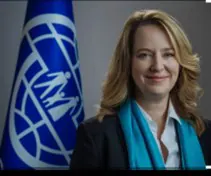
The International Organization for Migration (IOM) is urging governments to strengthen cooperation along entire migration routes to close gaps exploited by smugglers and criminal networks. IOM Director General Amy Pope is taking this call to the United Nations General Assembly in New York, emphasizing the need for collective action from countries of origin and transit to destinations. Thousands of migrants continue to die or go missing on dangerous journeys worldwide.
According to IOM data, nearly 8,000 people died or went missing on migration routes worldwide in 2025. As of September 15 this year, at least 2,292 people had died or gone missing while attempting to reach Europe by sea, compared to 1,999 at the same point last year. Despite sea arrivals being down by 39 percent, concerns over deaths and disappearances along migration routes continue to grow.
IOM's Route-Based Approach seeks to identify challenges along major migration routes and coordinate responses between countries. This approach includes tackling the root causes of irregular migration, disrupting smuggling networks, and ensuring migrants' rights are protected throughout their journeys. Governments would retain control over their borders and laws while sharing information and working together to close gaps exploited by criminal networks.
The IOM Director General emphasized that smugglers do not see borders; they see a route and run it like a business, planning ahead to exploit gaps between countries. Greater cooperation between countries could help save lives, disrupt criminal networks, and enable governments to manage their borders more effectively. This call to action is part of IOM's efforts to address migration challenges collectively.
War, climate shocks, and economic hardship continue to force millions of people from their homes. More than 83 million people were living in internal displacement at the end of 2024, according to the IOM World Migration Report 2026. The organization is urging governments to focus on practical areas such as sharing information along migration routes and expanding legal ways for people to work and travel.
IOM suggests that expanding legal migration pathways could reduce the number of people turning to smugglers, while investment in communities could make migration a choice rather than the only option available to people facing economic hardship. The organization also highlights the role of businesses in creating jobs and providing legal employment opportunities as a safer alternative to dangerous migration journeys.
IOM is working with the UN Network on Migration, private-sector partners, local communities, and faith groups along key migration routes. The organization contributes to the UN reform effort aimed at reducing duplication and focusing on results, with over 93 percent of its operational budget going directly to field projects. This year marks IOM's 75th anniversary and its 10th year as part of the UN system.
Key points
- IOM Director General Amy Pope urges governments to strengthen cooperation along migration routes.
- Nearly 8,000 people died or went missing on migration routes worldwide in 2025.
- IOM suggests expanding legal migration pathways and investing in communities to reduce irregular migration.