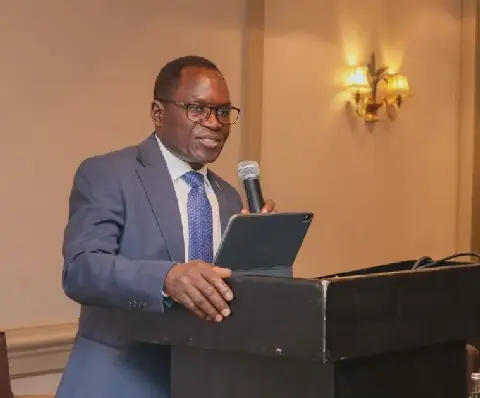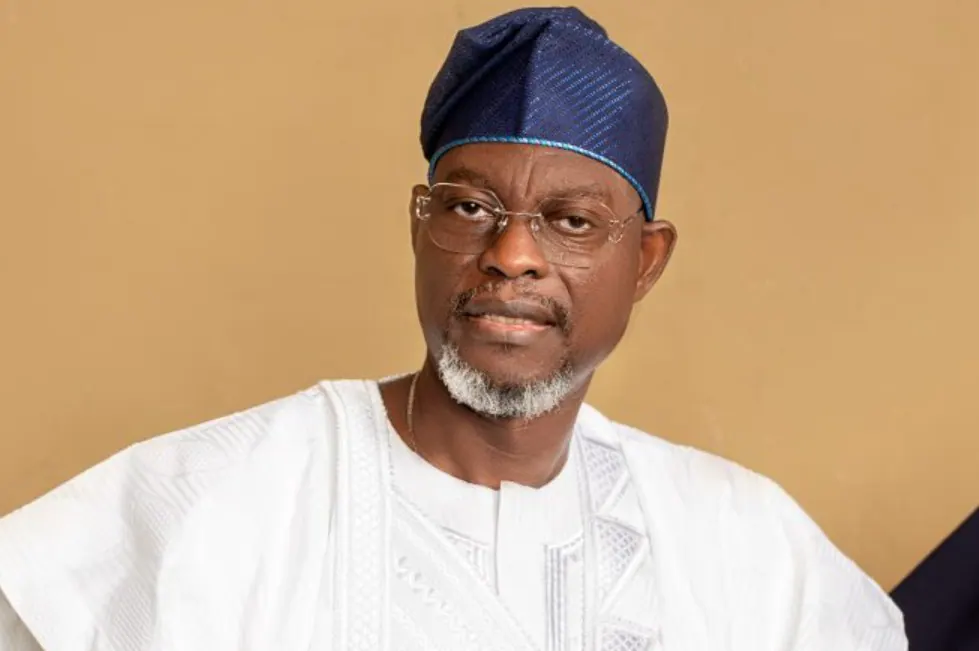
Chairman of SIFAX Group, Dr. Taiwo Afolabi, has urged governments and international institutions to prioritize investment, infrastructure, employment, and economic inclusion in efforts to build lasting peace. Speaking at the United Nations General Assembly High-Level Global Executive Roundtable on Diplomacy, Multilateralism and Conflict Resolution in New York, Afolabi argued that the international community must move beyond responding to conflicts after they erupt and invest more deliberately in economic conditions that can prevent instability.
Afolabi emphasized that sustainable development and peace are mutually reinforcing, with stronger economies creating opportunities that can reduce some of the structural pressures that fuel social and political instability. He stated that peace creates an environment for investment, investment creates opportunity, and opportunity strengthens the foundations of peace. This approach is particularly important for Africa, where infrastructure deficits, financing constraints, trade barriers, and limited economic opportunities continue to constrain development.
The SIFAX chairman highlighted the need for a more coordinated approach that links diplomacy and conflict resolution with sustainable economic development. He noted that the world is facing a complex combination of geopolitical tensions, economic uncertainty, climate pressures, inequality, and declining confidence in institutions. Afolabi stressed that Africa's peacebuilding agenda must be accompanied by an investment agenda, focusing on transport infrastructure, ports, energy, technology, manufacturing, agriculture, healthcare, education, and human capital.
Afolabi also called for stronger regional value chains and improved connectivity across African economies. He emphasized that the successful implementation of the African Continental Free Trade Area (AfCFTA) would require more than the signing of trade agreements. Inadequate infrastructure, inefficient logistics, weak digital systems, and limited access to finance could undermine the continent's ability to translate AfCFTA into broad-based economic opportunities.
The private sector's capacity to create economic connections that promote cooperation among communities, businesses, and countries was also highlighted by Afolabi. He noted that trade and connectivity can create shared interests among nations. The success of AfCFTA depends not only on trade agreements but on infrastructure, efficient logistics, digital systems, financing, and political cooperation.
Afolabi's call for a fundamental shift in global conflict-prevention strategy was made at the United Nations General Assembly High-Level Global Executive Roundtable on Diplomacy, Multilateralism and Conflict Resolution. The event brought together global leaders to discuss pressing issues related to diplomacy, multilateralism, and conflict resolution. Afolabi's statement underscores the need for a more comprehensive approach to building peace and stability.
The importance of integrating investment into global conflict prevention strategies cannot be overstated. As Afolabi noted, investment creates opportunity, and opportunity strengthens the foundations of peace. By prioritizing investment, infrastructure, and economic inclusion, governments and international institutions can work towards building lasting peace and stability.
Key points
- Dr. Taiwo Afolabi emphasizes the need for a shift in global conflict-prevention strategy, prioritizing investment, infrastructure, and economic inclusion.