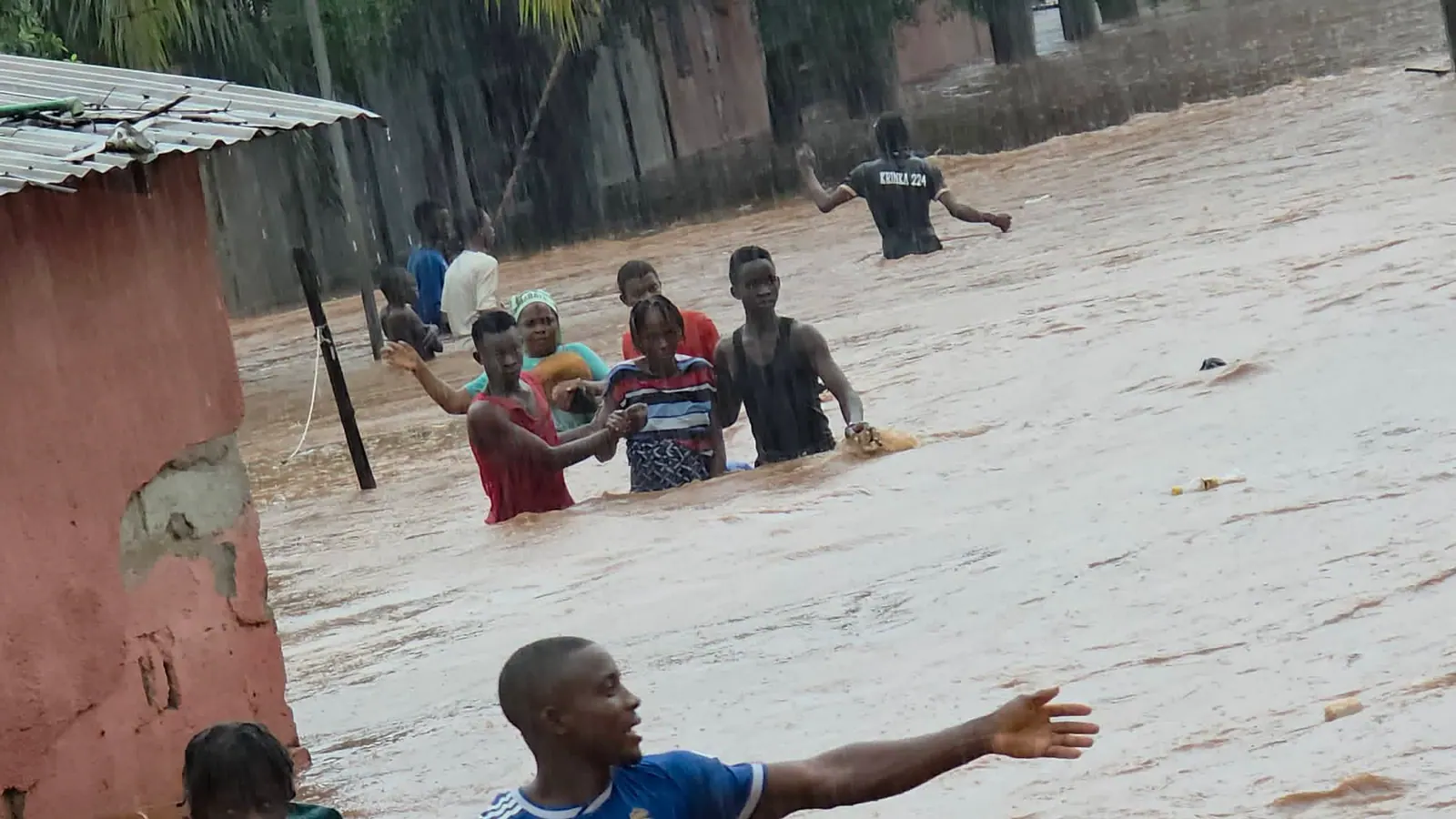
Heavy rainfall that fell on Conakry and the prefecture of Coyah on September 18-19, 2026, has caused widespread flooding, resulting in loss of life and significant material damage. The Parti des Guinéens pour la Démocratie (PGD) has released a statement expressing solidarity with those affected and calling for urgent national action. The party's Bureau Politique National has conveyed its condolences to the families of the victims and pledged support to those who have lost their homes and belongings.
The PGD is demanding that the authorities take immediate action to accelerate rescue operations, provide free medical care to the injured, and offer temporary housing to families who have been left homeless. The party is also calling on citizens, NGOs, and development partners to mobilize and provide assistance to the most affected areas. This appeal for solidarity and urgent action aims to alleviate the suffering of those affected by the disaster.
Beyond the immediate response to the crisis, the PGD is emphasizing the need for structural reforms to address the root causes of the flooding. The party believes that Guinea's territorial planning, waterway management, and climate risk management policies need to be revised to prevent such disasters from recurring every rainy season. The PGD's Bureau Politique National stresses that a more proactive approach is necessary to mitigate the impact of climate-related events.
The PGD's statement highlights the need for a coordinated national response to address the flooding and its aftermath. The party is urging the government to take the lead in mobilizing resources and support to help those affected by the disaster. This includes providing emergency relief, restoring infrastructure, and implementing measures to prevent similar disasters in the future.
The flooding in Coyah and Conakry has exposed the vulnerability of Guinea's infrastructure and emergency response systems. The PGD's call for national mobilization and structural reforms reflects a broader need for the government to prioritize disaster risk reduction and management. This includes investing in infrastructure, improving emergency response planning, and enhancing community resilience to climate-related events.
The Guinean government faces a significant challenge in responding to the flooding and addressing the long-term needs of affected communities. The PGD's demands for immediate action and structural reforms will likely add pressure on the government to take decisive steps to address the crisis. The international community may also be called upon to provide support and assistance to Guinea in responding to the disaster.
The flooding in Guinea's Coyah region serves as a stark reminder of the country's vulnerability to climate-related events. As the government and other stakeholders respond to the crisis, there is a growing recognition of the need for a more proactive and coordinated approach to disaster risk management. This includes investing in infrastructure, enhancing emergency response systems, and promoting community resilience to climate-related events.
Key points
- The PGD is calling for national mobilization and structural reforms to address the root causes of the flooding in Guinea's Coyah region.