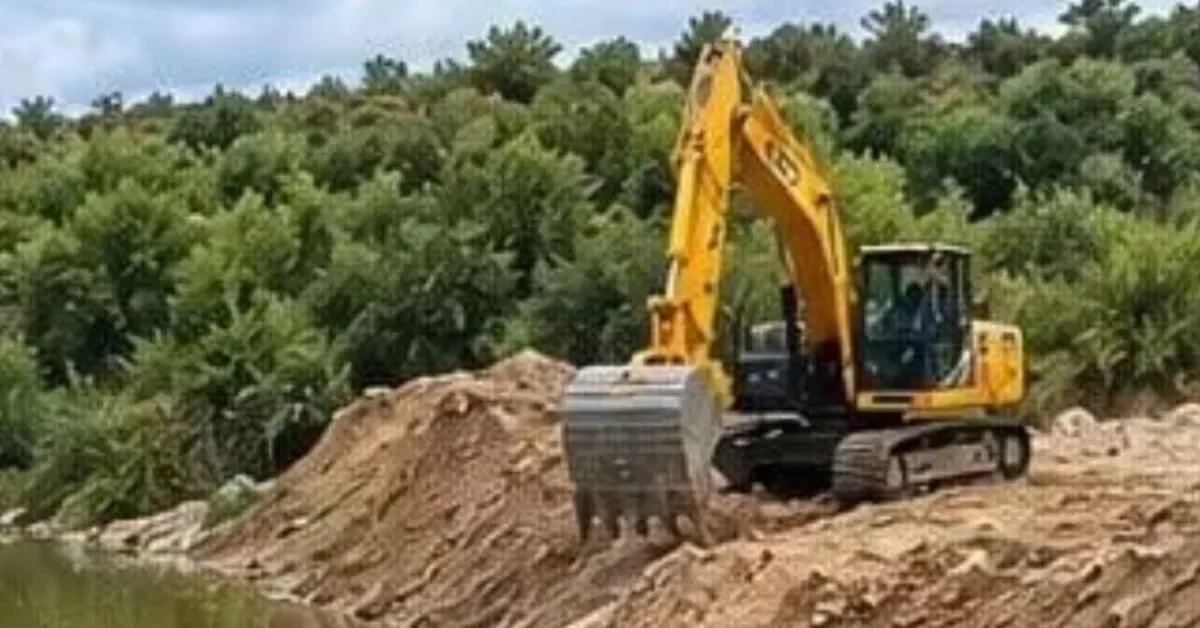
In a bid to alleviate the plight of residents in the Wadi Al-Bazigh area of Al-Margi, which falls under the Suleiman delegation in Nabel Governorate, intervention efforts commenced on Saturday. The endeavors focus on opening blocked agricultural paths and facilitating the movement of citizens. This initiative aims to end the total isolation that residents have endured since January, following severe flooding that damaged several agricultural routes and caused soil accumulation, severely impeding mobility.
According to Mohamed Ameen Nouira, a member of the Suleiman local council, these interventions were necessitated by repeated correspondences from the local council for development to concerned authorities and recurrent protests from residents. The protests included the closure of the national road linking Suleiman to Takelsa, demanding intervention to lift the area's isolation. The locals had been facing immense hardships due to the severed connectivity.
The intervention efforts are being carried out by the infrastructure department and Suleiman municipality, in collaboration with several neighboring municipalities and technical teams from the regional agricultural development delegation. The initiative involves deploying necessary equipment and machinery as part of an urgent response to address the damage and reopen the affected paths. This coordinated effort seeks to restore normalcy and facilitate the movement of people and goods.
A resident of the area expressed relief over the commencement of work, highlighting the dire situation faced by the locals. Since January, the floods have caused significant disruptions, making it difficult for residents to access basic services and move around. The intervention brings hope to the community, which has been grappling with the aftermath of the natural disaster.
The local council's efforts to engage with higher authorities and ensure a response to the crisis have been pivotal. The situation on the ground underscores the challenges faced by rural communities in the wake of natural disasters and the importance of timely interventions. Infrastructure and agricultural rehabilitation are critical to reviving normal life and ensuring the affected populations can resume their livelihoods.
As work progresses, residents are cautiously optimistic about the improvements it will bring. The road and agricultural interventions are expected to not only facilitate movement but also enhance access to essential services. This development could mark a significant step towards recovery for the isolated community, addressing some of the immediate challenges posed by the January floods.
The collaborative approach adopted for this intervention, involving multiple stakeholders, is seen as a positive step towards addressing the community's needs. With continued efforts, the goal of lifting the isolation and supporting the affected residents seems achievable. The focus now shifts to the timely completion of these projects and ensuring that the benefits are sustained over time.
Key points
- The intervention efforts in Wadi Al-Bazigh aim to open blocked agricultural paths and facilitate citizen movement.
- The initiative is a collaborative effort between infrastructure departments, municipalities, and agricultural development delegations.
- The goal is to end the isolation faced by residents since January's severe flooding.