A recent international police operation, Lionfish-Mayag IV, has led to the seizure of 650 tonnes of drugs, precursors, and pharmaceutical products, valued at over $1.1 billion. The operation, coordinated by INTERPOL, took place from May 18 to June 4, 2026, and involved 17 countries in Asia and other regions. The seizures included 89.6 million potentially deadly doses of drugs, a significant blow to international trafficking networks.
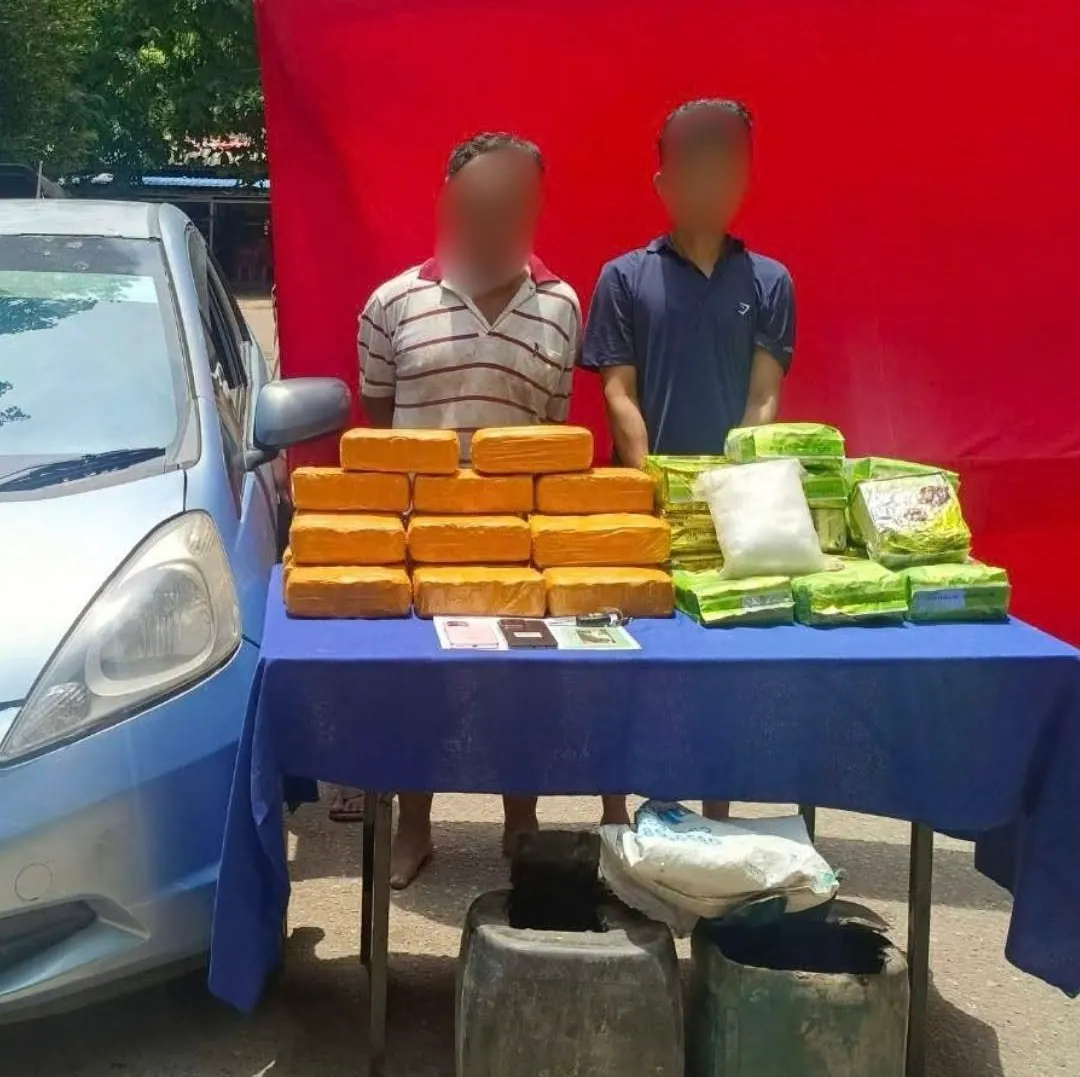
The operation targeted production and supply chains in Southeast Asia, monitored transit corridors, and focused on consumer markets. Cannabis and cannabinoids made up about 94% of the total volume seized, primarily due to large seizures in the Philippines. However, other substances revealed concerning trends in the synthetic drug market. Notably, 8.2 tonnes of methamphetamine and Ya Ba, a mixture of methamphetamine and caffeine, were seized.
INTERPOL highlighted the growing concern of ketamine, with 17 tonnes seized, surpassing methamphetamine in volume for the first time in an INTERPOL operation. This increase reflects the expanding non-medical use of ketamine, driven by its relatively low cost and ease of production. The data also emphasized Southeast Asia, particularly the Mekong region, as a significant hub for synthetic drug production and trafficking.
The operation also exposed the rising trend of substances consumed through vaping devices. In Indonesia, authorities seized 1,975 liters of etomidate, a traditionally used anesthetic now appearing in Asian markets as a recreational drug consumed through vaping. The DMT, a powerful hallucinogen, was also seized in large quantities, with 724 kg recorded, the highest amount ever seized in a police operation.
The seizures also revealed that opioids, although representing only 7.3 tonnes, posed a significant threat due to the presence of fentanyl. Alone, fentanyl accounted for 63.7 million potentially deadly doses. In Malaysia, a police operation discovered a fully equipped laboratory for fentanyl production, complete with precursor chemicals and liquid and powdered fentanyl.
The operation uncovered new trafficking routes, including a maritime corridor from South America to China, used for cocaine transport. Chinese authorities seized 307 kg of cocaine, highlighting a previously undocumented route that may indicate traffickers' efforts to conquer new markets in Asia. INTERPOL noted that this diversification of substances, rise of vaping drugs, and emergence of new trafficking routes demonstrate the adaptability of criminal networks.
INTERPOL's director of organized and emerging crime, David Caunter, emphasized the importance of international police cooperation in combating these evolving threats. With 650 tonnes of substances removed and nearly 90 million potentially deadly doses neutralized, the operation showcases the scale of a rapidly changing phenomenon. INTERPOL warned that the clandestine market is constantly evolving, innovating, and diversifying to reach consumers.
Key points
- 89.6 million potentially deadly doses of drugs seized
- 650 tonnes of drugs, precursors, and pharmaceutical products seized, valued at over $1.1 billion
- Operation Lionfish-Mayag IV involved 17 countries and targeted production and supply chains in Southeast Asia