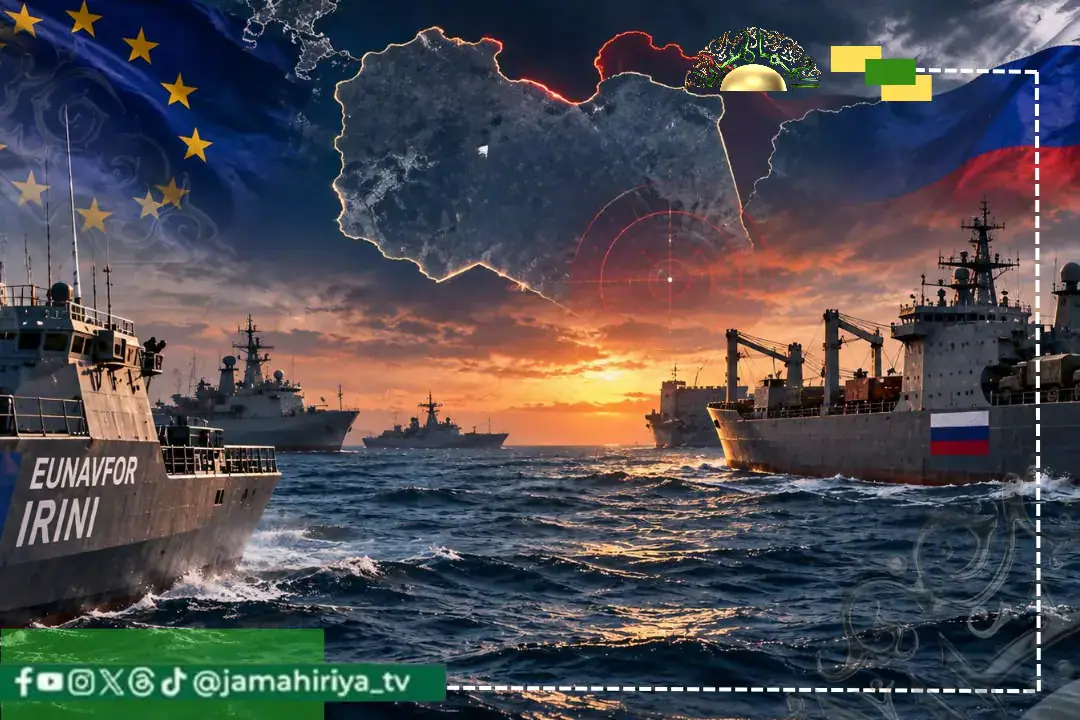
A recent international report has shed light on a significant development in the ongoing conflict in Libya. The report claims that Russia sent a substantial shipment of military equipment to the port city of Tobruk in September 2026. This shipment, which included at least 370 pieces of equipment, was transported on two civilian cargo ships, sparking concerns about a potential breach of the United Nations arms embargo on Libya.
According to the report, the two Russian ships, "Anastasia" and "Yuri Arsenievsky," departed from the Baltic Sea port of Baltiysk in the Kaliningrad region on August 26, 2026. They arrived at Tobruk's port on September 14, 2026, after traversing the Baltic Sea. The shipment included a range of military equipment, such as drones, armored vehicles, Ural trucks, four-wheel-drive vehicles, and a tank, in addition to up to 100 containers of ammunition and military supplies.
The report highlights that the unloading of the shipment took place at a military base near the Tobruk port, after which the equipment was transported in convoys to various locations within Libya. Notably, the report mentions the presence of "Giran" and "Gerbera" drones, which are small in size and can be transported discreetly. These drones, along with other equipment, have raised concerns about their potential use in the conflict.
The report accuses Russia of using Tobruk's port as a maritime gateway to supply its forces in Libya and potentially other countries in the African Sahel region. It suggests that Moscow has altered its military supply routes after losing its base in Syria and is now sending shipments directly from the Baltic Sea to Libya under the protection of warships. This development has significant implications for regional security and stability.
The report also criticizes the European Union's naval operation "Irini," which was established to enforce the UN arms embargo on Libya. The operation's effectiveness has been hampered since May 24, 2026, when its mandate for conducting compulsory inspections at sea was not renewed by the UN Security Council. This has created an opportunity for countries like Russia to circumvent the embargo.
In response to these developments, the report calls on the United States to impose sanctions on the ships, companies, and individuals involved in organizing and executing the shipment. It also recommends expanding sanctions to include entities benefiting from the shipments in eastern Libya and exerting diplomatic pressure on countries supporting Russia's military presence in the region.
The alleged Russian military shipment to Tobruk has significant implications for the ongoing conflict in Libya and the broader region. The international community will be closely monitoring developments and considering potential responses to address concerns about the violation of the UN arms embargo and the potential for escalated conflict.
Key points
- The report claims that Russia sent at least 370 pieces of military equipment to Libya's Tobruk port in September 2026.
- The shipment included drones, armored vehicles, and ammunition, sparking concerns about a potential breach of the UN arms embargo on Libya.
- The report criticizes the European Union's naval operation "Irini" for its reduced effectiveness in enforcing the UN arms embargo on Libya.