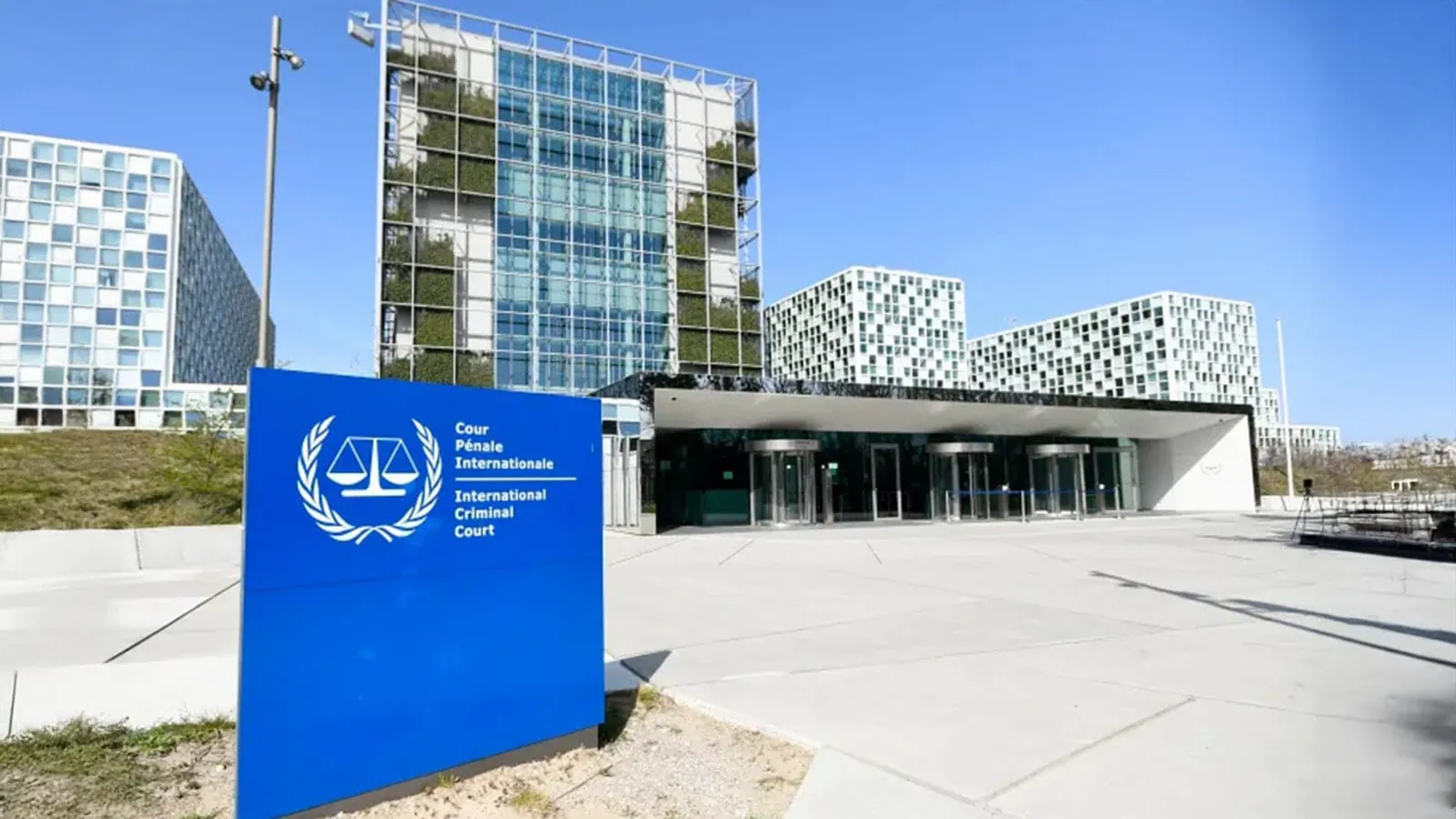
The International Criminal Court (ICC) has received a request for assistance from Libya in investigating a "sabotage cell" responsible for recent attacks on fuel tanks and power plants in the country. The request, approved by Libyan Presidential Council head Mohamed al-Menfi and Prime Minister Abdul Hamid al-Dbeibah, seeks technical, legal, and financial support to pursue those responsible for the attacks.
The ICC's Office of the Prosecutor will conduct an independent assessment of the crimes outlined in the request to determine if they fall under the court's jurisdiction. This jurisdiction could be based on UN Security Council Resolution 1970 of 2011 or Libya's declaration under Article 12(3) of the Rome Statute. The ICC welcomed the request, viewing it as a demonstration of trust in the court and Libya's commitment to cooperation.
The sabotage cell, allegedly responsible for the attacks, was reportedly dismantled on September 6. Libyan authorities claimed to have captured five individuals, including Libyans and foreigners, involved in the cell. The attacks targeted fuel tanks in Tripoli and Zawiya, as well as the Zawiya power plant. Authorities also claimed to have foiled additional plots to target vital facilities, political figures, and military personnel.
The ICC will coordinate with the Libyan Embassy in the Netherlands to obtain details of the request and determine the extent of support that can be provided within the court's mandate and available resources. This cooperation aims to bolster Libya's investigation and potentially bring those responsible to justice.
The recent attacks on critical infrastructure have raised concerns about the stability and security of Libya, which has faced significant challenges since the 2011 uprising. The country's ongoing efforts to rebuild and stabilize are being hindered by such acts of sabotage, making international cooperation crucial in addressing these threats.
The request for ICC assistance reflects Libya's efforts to engage international support in addressing internal security challenges. By seeking help from the ICC, Libya demonstrates its commitment to investigating and prosecuting crimes that affect not only its own citizens but also the broader international community.
The ICC's involvement in the investigation is expected to provide valuable expertise and support to Libyan authorities. This cooperation may help shed light on the circumstances surrounding the attacks and identify those responsible, potentially leading to further actions to prevent similar incidents in the future.
Key points
- The ICC will assess if the crimes fall under its jurisdiction based on UN Security Council Resolution 1970 or Libya's declaration under the Rome Statute.
- Libya's request for assistance demonstrates its commitment to investigating and prosecuting crimes affecting its citizens and the international community.
- The ICC's support aims to bolster Libya's investigation into the sabotage cell and potentially bring those responsible to justice.