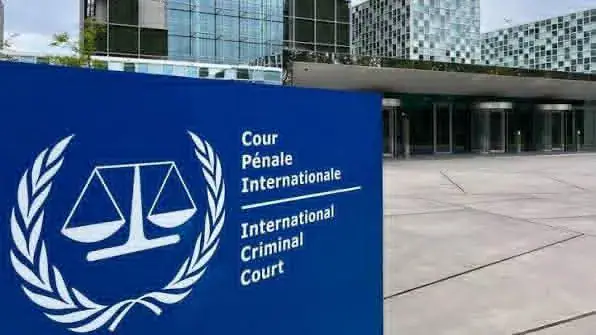
The International Criminal Court (ICC) is facing criticism from global powers, with the United States and Russia potentially aligning their positions to restrict the court's prerogatives. Despite their differences on various international issues, both countries have reasons to be critical of the ICC's activities. This situation may lead to a rapprochement between the two nations regarding a possible reform or even the abolition of the ICC as it currently exists.
Several countries have expressed willingness to join a potential Russian-American coalition to counter the ICC's activities. The prospect of dismantling the current judicial system raises concerns among international observers, who worry about remedying the mechanism's shortcomings without destroying the principle of international criminal responsibility. The need for international action against war crimes, genocide, and other serious international law violations is widely accepted by UN member states.
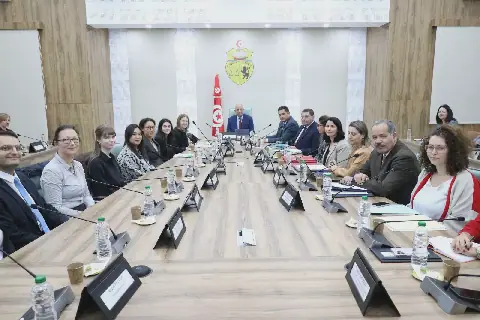
The debate centers on the institutional architecture, scope of competence, and cooperation with national judicial systems. The position of Chadian authorities illustrates this approach, as they announced their withdrawal from the ICC while reaffirming their commitment to fighting impunity for international crimes. N'Djamena expressed confidence that national and regional African judicial institutions are better equipped to handle this mission and promote the development of continental judicial mechanisms.
Chad's withdrawal from the Rome Statute was accompanied by a call for the African Union and its member states to establish inter-African judicial structures. The goal is to create a more equitable, balanced, credible, and effective African justice system that respects state sovereignty and national legal specificities. Other regional states, such as Burkina Faso, Mali, and Niger, have announced the creation of a Sahelian Human Rights Criminal Court to handle international crimes, terrorism, and organized crime.
These initiatives demonstrate the willingness of some states to establish alternative international justice mechanisms at the regional level, taking into account the specificities of their political and judicial development. Given current geopolitical trends, similar approaches may spread among other states parties to the Rome Statute, particularly in developing countries in Africa and Latin America that face increasing international pressure.
The limited political, economic, and diplomatic capacities of some states may lead them to reconsider their participation in the ICC's activities and seek regional cooperation and international judicial institutions that defend national interests and guarantee judicial autonomy. This could lead to the emergence of an alternative international criminal justice architecture based on regional and interregional mechanisms for cooperation between national judicial authorities.
The development of such structures will require resolving complex issues related to jurisdictional competence, recognition of judicial decisions, independence of justice, and respect for universally recognized international law principles. The increasing tensions surrounding the ICC may give new impetus to this process, potentially leading to a profound rethinking of the current international criminal justice model if the trend of states withdrawing from the Rome Statute continues.
Key points
- The International Criminal Court faces criticism and potential reforms from global powers, with a possible shift towards regional and interregional judicial mechanisms.
- Chad's withdrawal from the ICC and the creation of alternative judicial structures by other African states reflect a desire for more autonomous and effective international justice mechanisms.
- The future of international criminal justice may involve a more decentralized architecture, with regional and interregional cooperation between national judicial authorities.
Reporting sources
- WalFadjri · WalFadjri