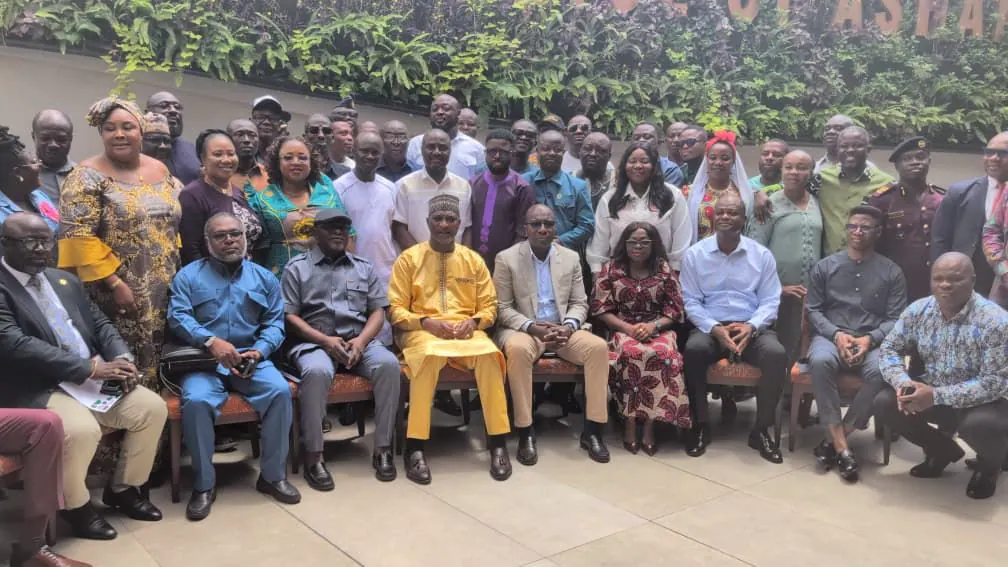
Ghana's Interior Minister, Mohammed Mubarak Muntaka, has challenged Metropolitan, Municipal and District Chief Executives (MMDCEs) to take greater responsibility for security threats within their jurisdictions. He warned that waiting for crises to escalate before seeking national intervention could have serious consequences. The Minister made this statement at a training workshop on the Security and Intelligence Agencies Act, 2026 (Act 1168) for the Ashanti Regional Security Council in Kumasi.
Minister Muntaka emphasized that MMDCEs, as the government's closest representatives to local communities, are strategically positioned to detect early warning signs of security threats. He urged them to move beyond responding to incidents and develop systems capable of identifying threats before they become major security challenges. According to him, security management requires constant vigilance, intelligence gathering, and coordination among local authorities and security agencies.
The Minister cited several issues that should immediately attract the attention of local security structures, including illegal mining, land and chieftaincy disputes, criminal activities, and the circulation of explosives. He questioned why some local authorities remain disconnected from security agencies operating within their jurisdictions, asking how many MMDCEs have visited the police command or fire station in their district since taking office.
Minister Muntaka urged MMDCEs to establish closer working relationships with the police, fire service, and intelligence agencies and make regular security meetings a priority. He stressed that resources devoted to prevention should not be considered less important than investments in physical infrastructure, citing the example of a classroom or hospital being vandalized or burnt down.
The Interior Minister also expressed concern over the availability of explosives on the open market in mining communities, saying their presence raises questions about how the items are being imported, transported, and stored. He referenced the devastating consequences of incidents involving explosives and urged local authorities to pay closer attention to activities within their communities.
The Deputy National Security Coordinator, Maj. Gen. (Rtd) William Azure Ayamdo, also called for stronger coordination between security agencies and local authorities. He emphasized that many security threats first emerge at the community and district levels, making Regional and District Security Councils critical to Ghana's national security architecture. Maj. Gen. Ayamdo urged participants to strengthen trust, confidentiality, and cooperation across institutions.
The workshop forms part of a nationwide engagement aimed at deepening understanding of Act 1168 and strengthening the capacity of regional and local security structures to respond to emerging threats. The Interior Minister's call to action is seen as a move to enhance local security and prevent security threats from escalating.
Key points
- MMDCEs are urged to take greater responsibility for security threats within their jurisdictions.
- Local authorities must develop systems to identify threats before they become major security challenges.
- Stronger coordination between security agencies and local authorities is necessary to address emerging threats.