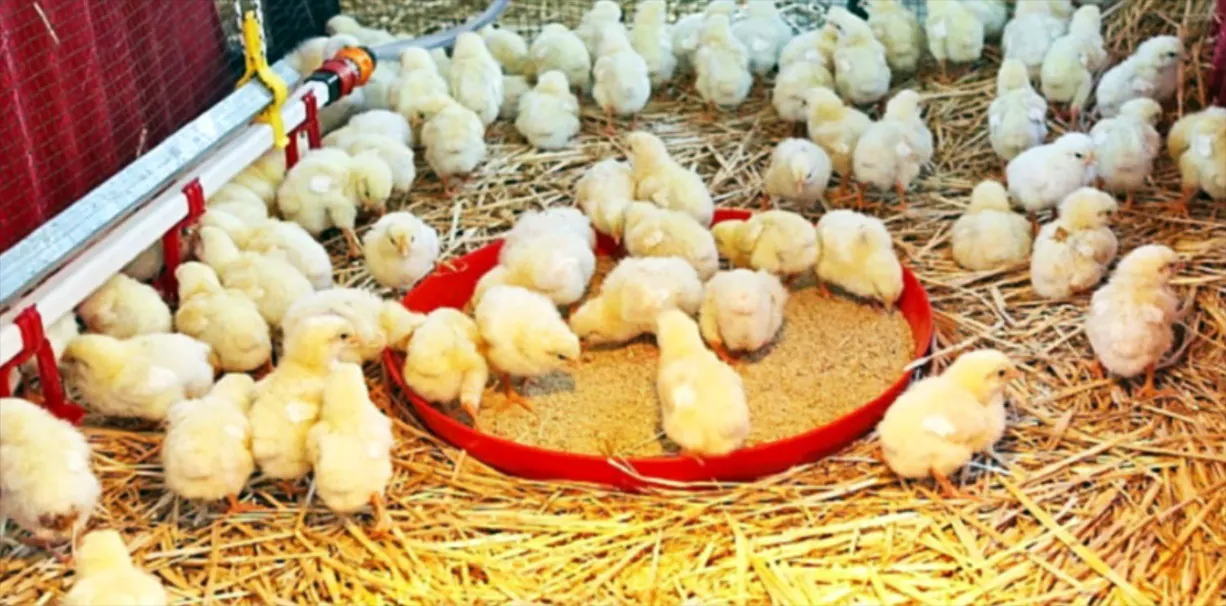
The spokesperson for Ghana's Interior Minister, Julius Kwame Anthony, has stirred controversy with his comments on critics of the government's Nkokonkitikiti poultry programme. During an appearance on JoyNews' AM Show on September 23, 2026, Mr. Anthony described individuals who actively campaign against poultry farming and animal husbandry in Ghana as "fools." His remarks were made in defense of the programme, which aims to distribute three million poultry birds nationwide to strengthen local poultry production and reduce Ghana's reliance on imported frozen chicken.
The Nkokonkitikiti programme was launched by President John Dramani Mahama as part of efforts to boost local poultry production, create livelihoods, and reduce Ghana's dependence on imported poultry. According to Mr. Anthony, Ghana's poultry import bill stood at approximately $400 million in 2020, underscoring the need for the country to support local poultry farmers and strengthen domestic production. The programme seeks to address this issue by providing beneficiaries with poultry birds to rear and sell, thereby establishing sustainable poultry businesses.
However, concerns have been raised about how some beneficiaries have used the distributed birds. In July 2026, Minister for Food and Agriculture Eric Opoku disclosed that some beneficiaries had slaughtered and consumed the birds instead of rearing them for commercial purposes. Mr. Opoku revealed that some beneficiaries had even sent him videos of themselves consuming the birds, despite the programme's objective of helping them establish sustainable poultry businesses.
The Minister explained that the initiative was designed to enable beneficiaries to rear the birds, sell them, and reinvest the proceeds to expand their poultry operations. However, the disclosure has sparked questions about whether beneficiaries have the necessary capacity, market access, and support to sustain the businesses envisaged under the programme. The concerns have formed part of the wider public debate over the implementation of Nkokonkitikiti.
Mr. Anthony's comments have shifted part of the public debate from the implementation of Nkokonkitikiti to the language used by government representatives in responding to criticism of public policies. His remarks have been met with criticism, with many questioning the tone and language used by a government spokesperson. The debate has highlighted the need for constructive engagement between government officials and critics of public policies.
The Nkokonkitikiti programme has been touted as a flagship initiative of the government to boost local poultry production and reduce Ghana's reliance on imported poultry. However, the programme's success depends on various factors, including the capacity of beneficiaries, market access, and support from government agencies. As the programme continues to face criticism and scrutiny, the government must address concerns and ensure that beneficiaries have the necessary support to sustain their poultry businesses.
The controversy surrounding Mr. Anthony's comments and the implementation of Nkokonkitikiti highlights the challenges of policy implementation in Ghana. The government must balance the need to promote its flagship initiatives with the need to engage constructively with critics and address concerns. Ultimately, the success of Nkokonkitikiti will depend on the government's ability to address these challenges and ensure that the programme achieves its objectives.
Key points
- The spokesperson for Ghana's Interior Minister described critics of the Nkokonkitikiti poultry programme as "fools," sparking controversy over government response to criticism.
- The Nkokonkitikiti programme aims to distribute three million poultry birds nationwide to strengthen local poultry production and reduce Ghana's reliance on imported frozen chicken.
- Concerns have been raised about how some beneficiaries have used the distributed birds, with some slaughtering and consuming them instead of rearing them for commercial purposes.