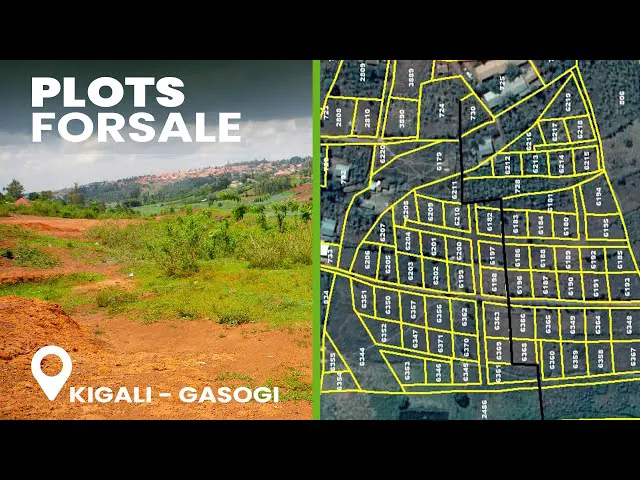
In Rwanda, a safe land purchase begins with verifying the Unique Parcel Identifier, the registered owner, and the permitted land use. A formal transfer, not just a handshake or a photograph of a title deed, is necessary. Many land disputes arise from excitement, with buyers discovering too late that the land is mortgaged, under a caveat, or registered to someone else.
The Rwanda Land Dashboard reported over 11.94 million registered parcels in October 2025, including 33,874 under dispute, 56,076 with caveats, and 159,252 under mortgage. A caveat can restrict a transaction, while a mortgage gives a lender an interest in the property. These cannot be detected by visiting the land or speaking to neighbors, highlighting the need for caution.
Speculation adds another risk to Rwanda's land market. Some people buy land not to build, farm, or operate a business, but to hold it while waiting for roads, electricity, or nearby developments to raise its value. Others resell quickly, sometimes before completing the transfer. This can inflate prices, leave serviced land unused, and encourage deals based on rumors.
Fraud can be highly organized in Rwanda's land market. Investigations by the Rwanda Investigation Bureau have uncovered property scams involving different people playing carefully assigned roles. Between 2019 and 2021, RIB recorded 264 property-fraud cases involving 412 suspects, including fraud, forgery, and the use of falsified documents.
Buyers should verify the intended use of the land under the National Land Use and Development Master Plan and the current legal framework for land development. A parcel can be properly registered but designated for agriculture, housing, commerce, infrastructure, or environmental protection. The presence of neighboring buildings does not guarantee that another house or apartment block will be approved.
Boundaries and access must also be confirmed when buying land in Rwanda. Where there is uncertainty, a qualified surveyor should compare the physical plot with the cadastral map. Old fences, trees, and verbal descriptions do not always reflect the registered boundaries. A cheap plot without legally secured road access may become difficult to develop, service, or resell.
Payment should follow verified stages, with a small, documented deposit considered after basic checks. The principal payment should move through a traceable channel when the notarized sale and transfer are ready. The agreement should state the true price, identify who will meet applicable costs, and explain what happens if the transfer fails.
Key points
- Verify the Unique Parcel Identifier and the registered owner's identity before negotiating land purchases in Rwanda.
- Ensure the land's intended use aligns with the National Land Use and Development Master Plan and the current legal framework.
- Confirm boundaries, access, and required consents before making a payment.