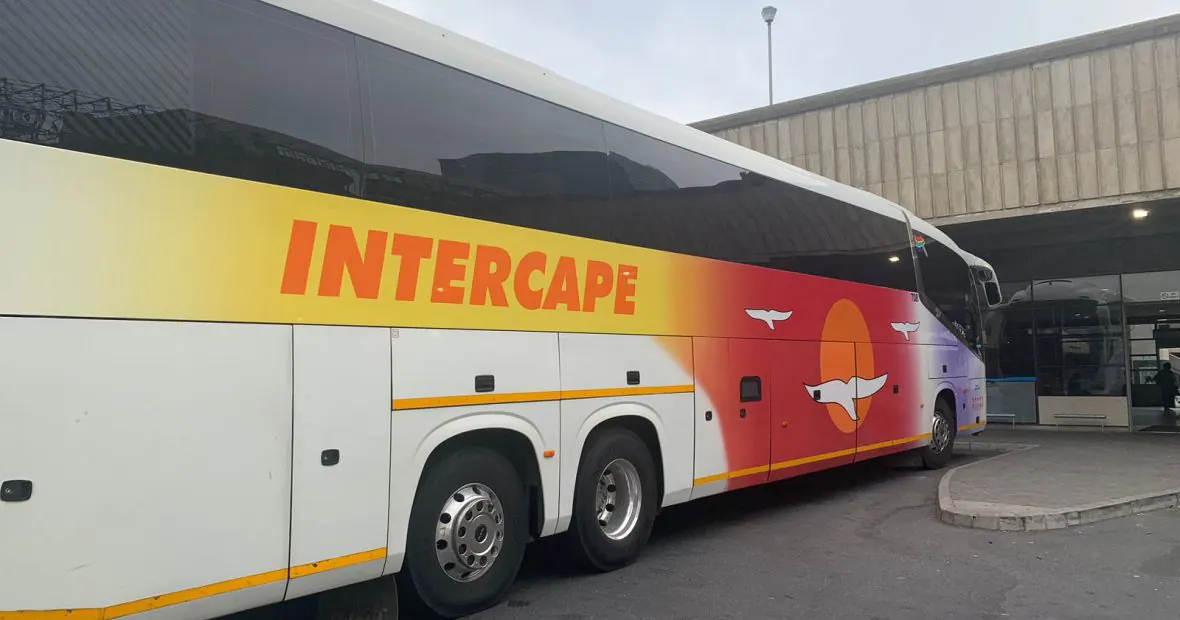
Intercape has secured a court order allowing it to operate in the Eastern Cape town of Ngcobo, despite opposition from taxi operators and local authorities. The company has faced violence and intimidation in the area, including an incident in June where a child passenger was attacked. The court order enables Intercape buses to load and offload passengers in front of the Ngcobo police station, providing a safe alternative to the town's taxi rank.
The Dr AB Xuma Local Municipality, taxi association, and ratepayers association have lost several court cases against Intercape. In December, the municipality and Ngcobo Taxi Association lost an application to block Intercape from operating in the town. The high court in Makhanda confirmed that Intercape had the necessary permits to operate. Intercape CEO Johann Ferreira alleged that a coordinated disinformation and intimidation campaign against the company was being orchestrated by taxi operators, civic associations, police officers, and local authorities.
The Ngcobo taxi strike, which began on August 18, was suspended for 21 days after the National Joint Operational and Intelligence Structure (NATJOINTS) met with taxi bosses on September 7. The strike caused disruptions in the town, with taxi operators staging roadblocks and preventing private motorists from carrying passengers. Intercape's court order allows the company to continue operating in the town, providing an alternative transportation option for residents.
The Engcobo Ratepayers Association had sought to block the municipality from allowing Intercape to load and offload passengers, alleging that the company was disrupting the town. However, the Mthatha High Court issued an interim order in favor of Intercape, allowing the company to use the police station as a bus stop. The municipality must also identify and create a permanent bus stop for Intercape within 90 days.
Passengers have expressed support for Intercape, citing the company's spacious and affordable services. Nolitha Selana, a passenger, said she preferred Intercape because of its comfort and reliability. Ayabonga Madolo, another passenger, criticized taxi operators for their behavior, saying they treated passengers like animals. Intercape's statement explained that its employees and passengers had faced repeated incidents of intimidation and violence in Ngcobo, making the normal stopping point unsafe.
The court order has been met with criticism from some quarters, with the Engcobo Ratepayers Association chairperson Vuyani Macingwane saying that it gave Intercape special treatment. Macingwane argued that there was space designated for buses at the taxi rank that Intercape should use, but the company did not want to subject itself to the rules that other buses followed. The municipality's legal team is studying the court order and has not commented further.
Intercape's operations in Ngcobo have been a contentious issue for several years, with taxi operators and local authorities opposing the company's presence in the town. The company's court order is a significant development in the dispute, and it remains to be seen how the situation will unfold. Key to the issue is the safety and security of Intercape's passengers and employees, as well as the company's right to operate in the town.
Key points
- Intercape has secured a court order allowing it to operate in Ngcobo, Eastern Cape.
- The company has faced violence and intimidation from taxi operators and local authorities.
- Intercape buses will load and offload passengers in front of the Ngcobo police station.