For 20 years, Nigeria's greatest power ambition was trapped in a dispute over a single agreement. At the centre of the storm stood Leno Adesanya and Sunrise Power and Transmission Company Limited, whose claim over the Mambilla project triggered a battle of contracts, influence, and billions of dollars. The proposed 3,050-megawatt mega-dam in Taraba State was meant to be the crown jewel of Nigeria's energy revolution, but it became a battlefield for one of Africa's most complex and expensive legal wars.
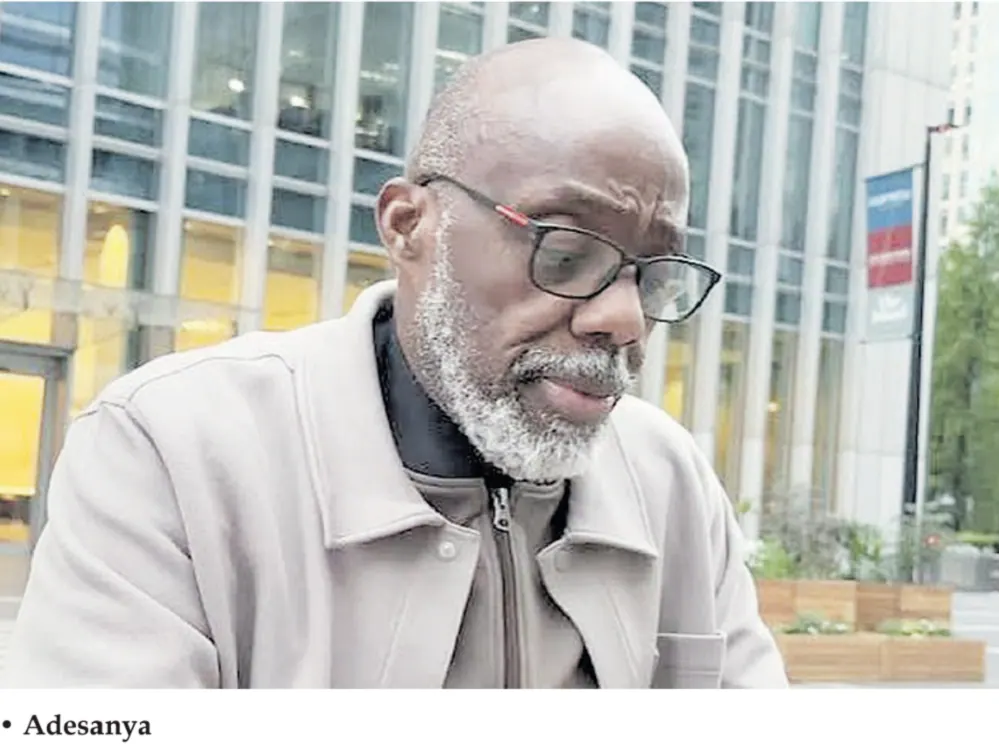
Leno Adesanya, the promoter and Chief Executive Officer of Sunrise Power, was a key figure in the controversy. To his critics, he was the architect of a disputed contract strategy, while to his defenders, he was a visionary entrepreneur who invested years building international partnerships for a project he believed successive governments derailed. The dispute began in 2003 when Adesanya's company was awarded the Mambilla BOT contract by then-Minister of Power and Steel, Dr. Olu Agunloye.
The contract was later cancelled by President Olusegun Obasanjo, who questioned the procedure and authority behind the award. However, Adesanya held on to the signed agreement, which he used as leverage in the next two decades of Nigerian infrastructure politics. The project was caught in legal quicksand, with every attempt by the Federal Government to move forward entangled in uncertainty over Sunrise Power's claim.
In 2017, Adesanya launched a major move, initiating arbitration against the Federal Republic of Nigeria at the International Chamber of Commerce (ICC) Court of Arbitration in Paris. Sunrise Power demanded $2.354 billion in damages over what it described as Nigeria's breach of the 2003 agreement. The government was faced with a high-stakes dilemma: a crippling electricity deficit and the possibility of a multi-billion-dollar sovereign liability.
In 2020, the administration of President Muhammadu Buhari entered into an out-of-court settlement arrangement with Sunrise Power, involving a payment of $200 million to resolve the dispute. However, the settlement carried a ticking clock, and Nigeria missed the deadline, triggering further financial consequences and allowing the arbitration battle to continue.
The International Chamber of Commerce (ICC) delivered its verdict on Sunrise's multi-billion-dollar claims in September 2026. The ruling brought an end to a dramatic saga of elite negotiations, offshore financial trails, political manoeuvring, and a legal siege that kept Nigeria's biggest power dream trapped for a generation.
The Mambilla Hydroelectric Power Project remains one of Nigeria's most important infrastructure projects, suspended between ambition and litigation. The project's fate and the financial implications of the dispute will continue to have significant impacts on Nigeria's energy sector and economy.
Key points
- Leno Adesanya's company, Sunrise Power, claimed $2.354 billion in damages over Nigeria's breach of the 2003 agreement.
- The dispute over the Mambilla project has lasted for 20 years, trapping Nigeria's biggest power dream in a cycle of litigation and uncertainty.
- The International Chamber of Commerce (ICC) delivered its verdict on the dispute in September 2026.