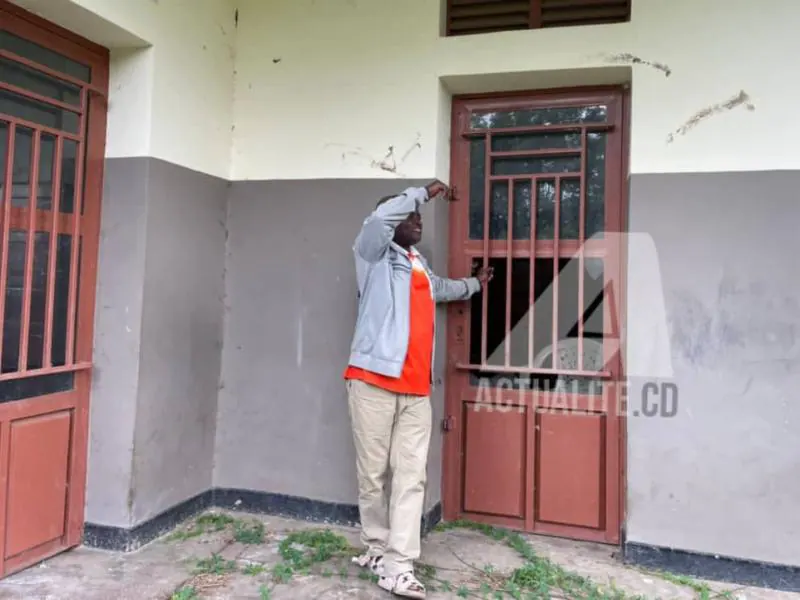
One month after the start of the 2026-2027 school year, multiple schools in the Mwenye groupement, Lubero territory, North Kivu province, Democratic Republic of the Congo, are still closed. The local youth council reported that schools in villages such as Mausa, Lumba, and Sijambale have not reopened. The ongoing insecurity and population displacement due to the Allied Democratic Forces (ADF) rebel group's activities have hindered the resumption of classes.
According to Prince Kasyano, president of the local youth council, over five schools may not reopen due to unfavorable conditions, including population displacement, persistent insecurity, and the absence of teachers and students. The youth council is urging parents to send their children to school and teachers to resume their posts while following recommended health measures to combat the Ebola virus.
The local youth council is concerned about the consequences of prolonged school closures, including increased school dropout rates, child recruitment by armed groups, early marriages, and child exploitation. These risks are particularly high in areas where families are already living in insecurity. The council is calling on the Congolese government to strengthen security measures to allow students to continue their education.
The situation in Mwenye is not an isolated incident. A report by the Education Cluster revealed that as of July 31, 2026, 1,131 schools were still closed across 12 provinces in the Democratic Republic of the Congo, affecting 491,578 children. The report attributed 45% of incidents leading to school closures to insecurity and recurrent conflicts.
The North Kivu province, where Lubero territory is located, has been severely affected by insecurity, with 241 closed schools and 81,715 affected children. The Education Cluster also reported that 6,745 schools and over 2.3 million children have been directly affected by various incidents across the country.
The Congolese government and humanitarian organizations are working to address the situation. However, the response efforts face significant challenges, including a funding gap. The 2026 humanitarian response plan for the Democratic Republic of the Congo requires $2.13 billion, but only 50.5% of the funds have been mobilized so far.
The situation in Lubero territory highlights the need for sustained efforts to address insecurity and ensure access to education in conflict-affected areas. The local youth council, humanitarian organizations, and government authorities must work together to provide a safe learning environment for children and support the resumption of classes in the affected regions.
Key points
- Over 5 schools in Mwenye groupement may not reopen due to insecurity and population displacement.
- 1,131 schools were closed across 12 provinces in DR Congo as of July 31, 2026, affecting 491,578 children.
- The Education Cluster reported that 6,745 schools and over 2.3 million children have been directly affected by various incidents across the country.