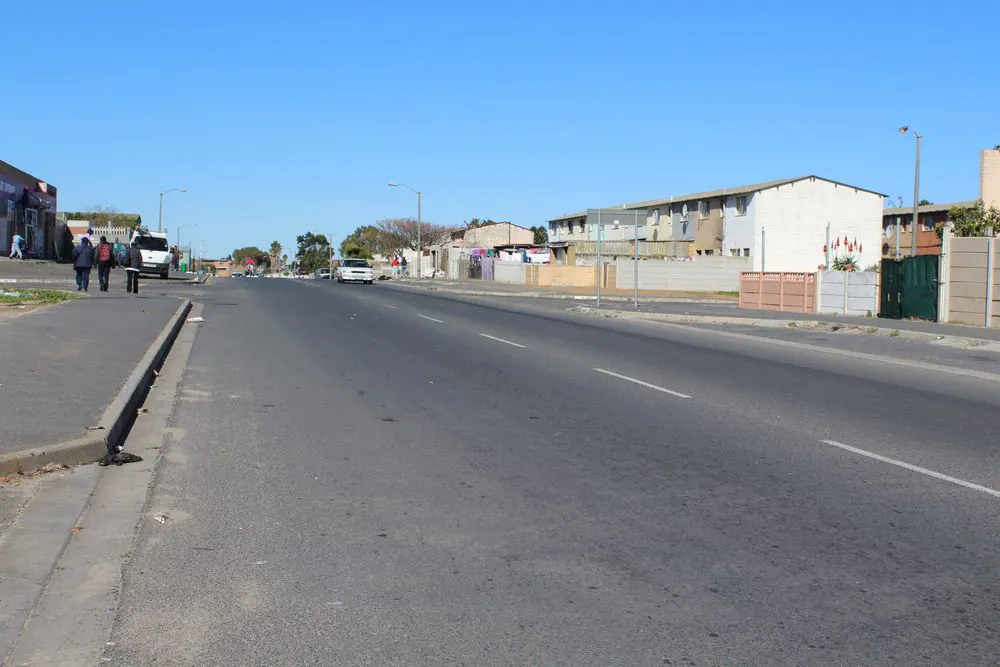
A heated debate has erupted in Elsies River over the effectiveness of the City of Cape Town's CCTV network in preventing crime. The area, notorious for smash-and-grab incidents and robberies, has long been a concern for motorists and residents. Official crime statistics show the Elsies River precinct records over 5,000 incidents annually, alongside hundreds of reported cases of common robbery and theft from motor vehicles.
The City of Cape Town has invested heavily in surveillance infrastructure, but community leader Steve Ross believes the municipal CCTV network is underutilized. In a series of Facebook videos, Ross questioned whether the cameras were being actively monitored or merely serving as silent observers. He argued that the City's stance relies too heavily on reactive policing, using video footage primarily after a crime has taken place.
City officials have defended the CCTV network, stating that all cameras are operational and monitored 24/7 from the City's Transport Management Centre in Goodwood. Incidents are dispatched to Metro Police, Law Enforcement, Traffic, Fire and Rescue, and SAPS, with daily incident reports submitted to operational management. The categories monitored include smash-and-grab occurrences, vehicle break-ins, and suspicious persons.
Despite the City's assurances, Ross continues to push for real-time communication channels between City control rooms, neighbourhood watches, and local leaders. He believes that immediate warnings can disrupt illegal activity before it happens, citing his experience working with local City Improvement Districts and industrial business sectors. Ross emphasized that he is not seeking direct access to City monitoring feeds or replacing formal law enforcement.
Ross outlined how proactive communication can prevent crime, sharing an example where a suspicious individual was identified and warned to leave the area. He argued that broadcasting alerts to community groups often makes suspicious individuals leave immediately, and that immediate warnings are vital when motorists break down on dangerous stretches of road.
The debate highlights a growing divide in local safety strategy, with some arguing that state-of-the-art surveillance should primarily serve standard law enforcement dispatch and criminal investigations. Others, like Ross, believe that CCTV should be integrated directly into hyper-local, community-driven prevention networks. The City has committed to combatting smash-and-grab incidents in the Elsies area.
As crime figures continue to pressure local authorities, the effectiveness of the CCTV network and the role of community leaders in preventing crime remain contentious issues. The City's investment in surveillance infrastructure is seen as a step in the right direction, but the debate underscores the need for a more comprehensive approach to addressing crime in Elsies River.
Key points
- Community leader Steve Ross is calling for real-time communication channels between City control rooms and local leaders to prevent crime.
- The City of Cape Town's CCTV network is monitored 24/7, but its effectiveness in preventing crime is disputed.
- The debate highlights a growing divide in local safety strategy, with some arguing that surveillance should primarily serve standard law enforcement dispatch and criminal investigations.