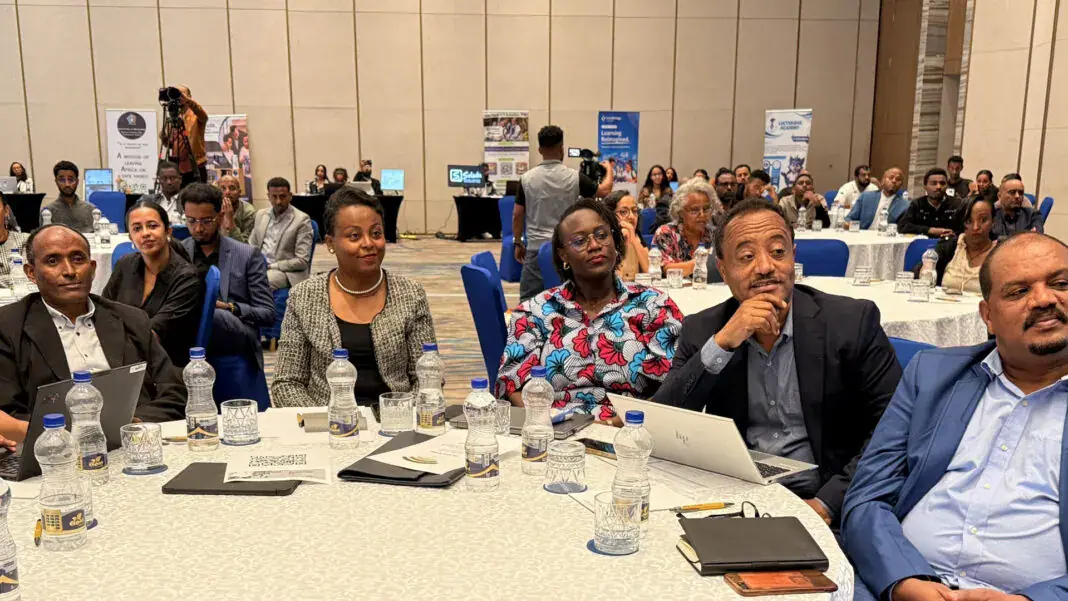
The expansion of educational technology in Ethiopia is being hindered by limited internet connectivity, a shortage of affordable digital devices, and low purchasing power. These challenges were highlighted during the EdTech Partnership and Networking Event, held in Addis Ababa under the theme "Advancing Inclusive Learning through Innovation and Collaboration." The event was jointly organized by Reach for Change Ethiopia and the Mastercard Foundation.
The event brought together approximately 140 participants from across the education and technology sectors, including EdTech entrepreneurs, educators, government officials, development partners, private sector representatives, and learners. They discussed practical ways of expanding access to digital education, particularly among underserved communities. Participants identified several barriers limiting the adoption of educational technology, including inadequate internet infrastructure and the high cost of smartphones and computers.
Language barriers, insufficient accessibility features for persons with disabilities, and low levels of digital literacy were also identified as major challenges. Participants stressed that locally developed digital learning solutions should reflect the actual circumstances of Ethiopian learners, particularly those living in remote areas and families unable to afford digital devices or reliable internet services.
Mekdim Gullilat, Country Manager of Reach for Change Ethiopia, emphasized the importance of placing learners' experiences at the center of technology development. She called for stronger collaboration among government institutions, development partners, technology providers, and other stakeholders to address the challenges facing the sector.
The event featured a masterclass on inclusive digital design and a panel discussion on incorporating equity and accessibility into the development and distribution of educational technology. An interactive exhibition allowed participants to test digital learning solutions developed by entrepreneurs under the Mastercard Foundation EdTech Fellowship.
Participants noted that although digital technology offers opportunities to improve the quality and reach of education, its benefits will remain limited unless the underlying barriers are addressed. They emphasized that affordable devices, reliable internet access, improved infrastructure, and stronger institutional capacity are essential to ensuring that digital learning does not deepen existing inequalities in Ethiopia's education system.
The event provided a platform for developers to receive direct feedback from users and other stakeholders, while networking sessions provided opportunities to connect with potential investors, institutional buyers, and development partners. The collaboration and partnerships formed during the event are expected to play a crucial role in addressing the challenges facing the EdTech sector in Ethiopia.
Key points
- Limited internet connectivity and a shortage of affordable digital devices hinder educational technology expansion in Ethiopia.
- The EdTech Partnership and Networking Event brought together stakeholders to discuss ways of expanding access to digital education.
- Affordable devices, reliable internet access, and improved infrastructure are essential to ensuring that digital learning benefits all segments of society.
Reporting sources
- infrastructure and device gaps stifle Ethiopia ’s tech progress · Capital Ethiopia