Sierra Leone's effort to build a more professional and digitally enabled pharmacy sector is facing a persistent challenge from informal medicine sellers who continue to operate outside the regulated system. This issue was highlighted during World Pharmacists Day, when pharmacy authorities emphasized the need to strengthen pharmacists and address the continued sale of medicines through informal channels. The global theme for World Pharmacists Day, "Empowering pharmacists for healthier futures," calls for pharmacists to receive the skills, recognition, technology, and institutional support needed to contribute more fully to healthcare.
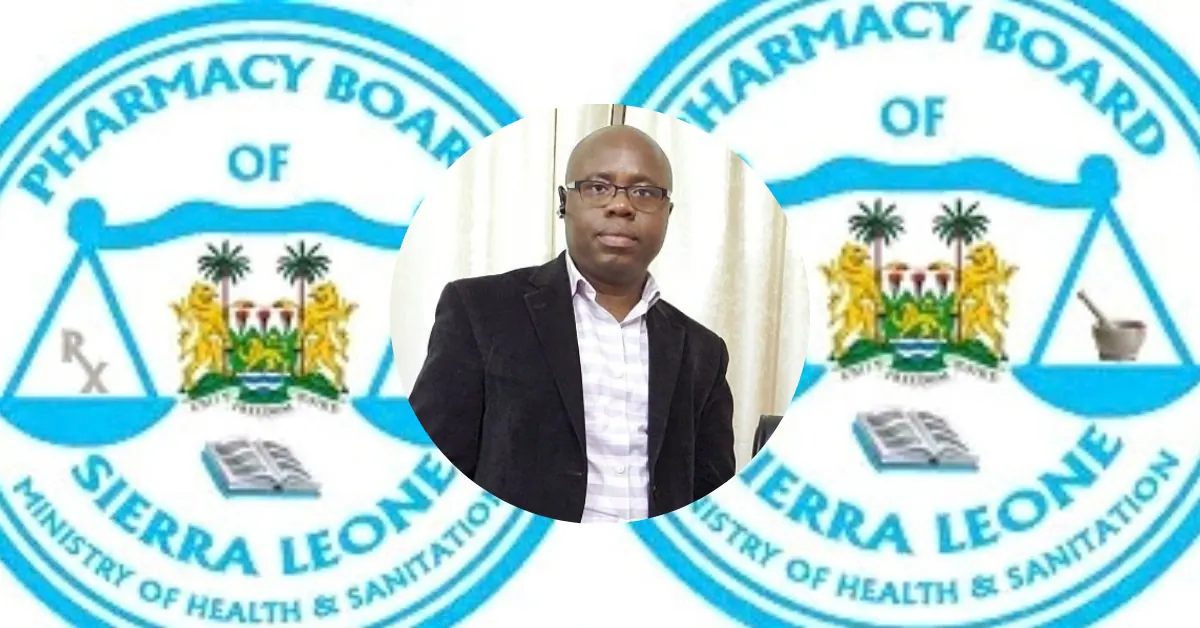
The International Pharmaceutical Federation selected the theme for World Pharmacists Day on September 25, 2026. Dr. Moses Batema, chief pharmacist and chairman of the Pharmacy Board of Sierra Leone, stated that empowering pharmacists involves more than just increasing their numbers. They need appropriate competencies, professional recognition, and a regulatory environment that allows them to apply their expertise effectively. Batema also highlighted the growing role of digital systems and data in pharmacy practice, envisioning a future where pharmacists can use information on medicine consumption, stock levels, and distribution patterns to identify problems and make better decisions.
The Pharmacy Board of Sierra Leone has taken steps to modernize the formal pharmaceutical sector. In August, the Directorate of Science, Technology and Innovation and the Pharmacy Board signed an agreement aimed at digitizing professional registration, licensing, practitioner records, and regulatory oversight of pharmaceutical premises and products. This move is part of a broader effort to strengthen the profession and improve regulatory oversight. However, the formal system operates alongside a less regulated medicine market, with informal sellers continuing to operate outside the regulated system.
Accounts from medicine vendors gathered for World Pharmacists Day reveal why the informal trade persists. One vendor, who requested anonymity, said police arrests had not stopped the activity and described medicine sales as a source of livelihood. Another seller said she learned to identify medicines for different illnesses through experience. These vendors highlighted the challenges of making a living and the difficulties of accessing formal education and training.
The Pharmacy Board officially identifies the hawking of medicines and the operation of unlicensed pharmaceutical outlets as enforcement concerns. The Board's enforcement department is mandated to combat the sale of unregistered, counterfeit, substandard, and expired medicines and to address illegal pharmaceutical outlets. The Board has also previously called for stronger action against medicine peddling, including greater public awareness, improved enforcement, and research into the reasons people seek medicines through informal sellers.
Dr. Batema emphasized that pharmacists should be viewed as more than professionals who dispense prescriptions. Their contribution should include identifying, preventing, and resolving problems associated with medicine use. However, the challenge extends beyond the pharmacy profession itself. As formal pharmacies adopt digital tools and pharmacists are encouraged to take a larger role in patient care, people who obtain medicines from informal sellers may remain outside that system of professional guidance and regulatory oversight.
The World Pharmacists Day discussion highlighted the contrast between the modernization of the formal pharmaceutical sector and the continuing presence of an informal medicine economy. For Sierra Leone's pharmacy authorities, strengthening the profession will require both technological and professional advancement and continued efforts to address medicine sales outside the regulated system. The Pharmacy Board and other stakeholders will need to work together to address these challenges and ensure that pharmacists can contribute effectively to healthcare in Sierra Leone.
Key points
- The informal medicine trade persists in Sierra Leone despite efforts to modernize the pharmacy sector.
- The Pharmacy Board of Sierra Leone is working to digitize professional registration and regulatory oversight to strengthen the profession.
- Empowering pharmacists requires more than just increasing their numbers, but also appropriate competencies, professional recognition, and a regulatory environment that allows them to apply their expertise effectively.