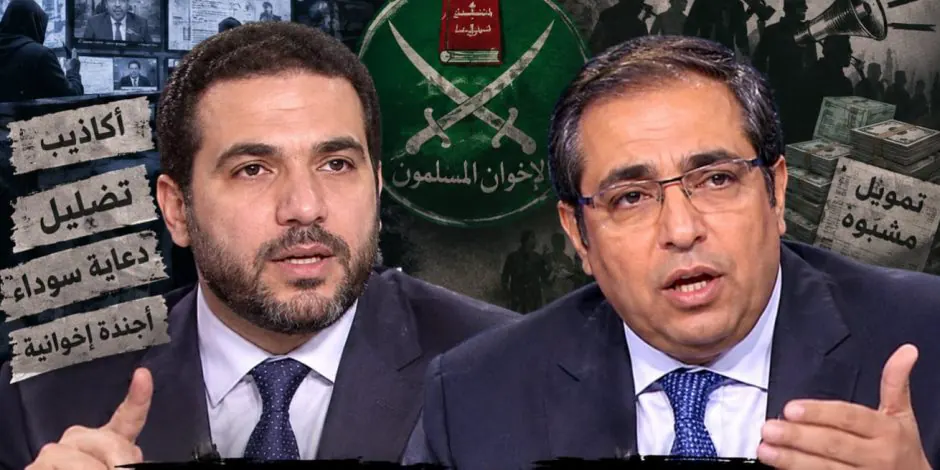
A deep-seated rift within the Muslim Brotherhood has burst into the open, with rival factions in London and Istanbul at odds over financial control and media influence. The infighting has led to a barrage of public accusations and recriminations, with some members accusing others of embezzlement and collaboration with foreign intelligence agencies. This internal conflict has exposed a profound crisis within the organization, with some members questioning the legitimacy of the leadership.
The crisis is centered on a struggle for control of the organization's finances, with various factions vying for access to donations and funding. The Muslim Brotherhood's traditional leadership, comprised of elderly figures, is facing a rebellion from younger members who feel they have been exploited and excluded from decision-making. This generational divide has contributed to the current turmoil, with younger members demanding greater transparency and accountability.
Several prominent media figures associated with the Muslim Brotherhood, including Hamza Zobea and Sohieb Abdelmaksoud, have been embroiled in the controversy. Public feuds and leaked information have highlighted the organization's internal divisions, with some members accusing others of collaborating with foreign intelligence agencies. The infighting has damaged the organization's reputation and exposed its internal weaknesses.
The conflict has also revealed a deep-seated struggle for influence within the organization, with various factions competing for control of media platforms and access to funding. The traditional leadership is facing a challenge from younger, more assertive members who are demanding greater autonomy and transparency. This internal power struggle has weakened the organization and created an opportunity for external critics to attack.
The Muslim Brotherhood's financial woes are also a major factor in the current crisis. The organization relies heavily on donations from supporters, but the infighting has raised questions about the management of these funds. Some members have accused others of misusing donations for personal gain, further exacerbating the crisis. The organization's financial transparency has been questioned, with some members calling for greater accountability.
The infighting within the Muslim Brotherhood has significant implications for the organization's future. The public display of internal divisions has damaged the organization's reputation and exposed its internal weaknesses. The struggle for control of finances and media influence is likely to continue, potentially leading to further fragmentation and decline. The organization's ability to present a united front has been severely compromised.
The current crisis has also raised questions about the Muslim Brotherhood's ability to present a coherent and effective political platform. The organization's internal divisions have weakened its ability to engage in meaningful dialogue with external actors, potentially limiting its influence in the region. The infighting has also created an opportunity for external critics to attack the organization, further exacerbating its decline.
Key points
- The Muslim Brotherhood is embroiled in a public dispute over financial control and media influence, with rival factions in London and Istanbul at odds.
- The infighting has exposed a profound crisis within the organization, with some members questioning the legitimacy of the leadership.
- The organization's financial woes and lack of transparency have contributed to the current crisis, with some members accusing others of misusing donations for personal gain.