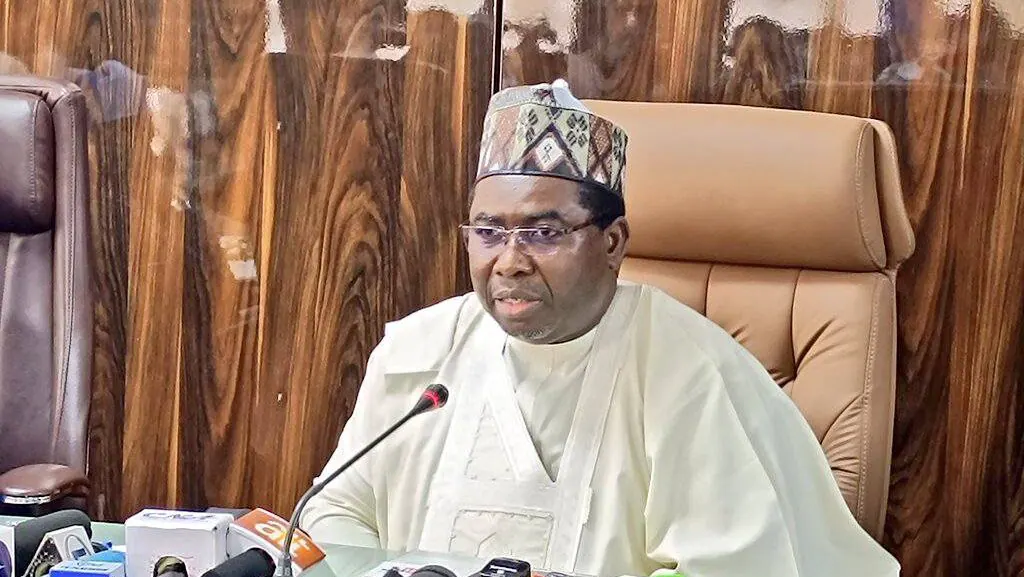
The Independent National Electoral Commission (INEC) has begun its 2027 General Election readiness assessment in the North-west region, with Chairman Joash Amupitan directing officials to close operational gaps and strengthen neutrality. The assessment is part of INEC's six-zone national tour aimed at evaluating its preparedness for the elections and identifying challenges confronting its field operations. Amupitan, a professor, made the remarks at the North-west Zonal Interactive Meeting with Staff and Readiness Assessment for the 2027 General Election in Kaduna.
Amupitan emphasized that the success of the election is ultimately determined at the grassroots level, particularly at Local Government Areas, Registration Area Centres, and polling units where electoral officials interact directly with voters. He urged staff to present practical challenges affecting election administration in their respective areas and work with headquarters to develop solutions before election day. The INEC chairman also warned electoral officials against partisan conduct and administrative negligence, stressing that neutrality and professionalism would be critical to public confidence in the electoral process.
The INEC chairman disclosed that three phases of Continuous Voter Registration (CVR) had produced 10,772,421 new registrations, subject to Automated Biometric Identification System verification. He called for the elimination of PVC distribution bottlenecks at the Local Government Area level to prevent eligible citizens from being disenfranchised due to logistics. Amupitan also stated that INEC is refining its technological systems, including voter verification and result transmission processes, as well as its Result Management Systems.
INEC is implementing a "Zero-Failure" approach to logistics, covering early deployment of materials, movement, security coordination, and training of ad-hoc personnel. The commission's efforts aim to ensure a seamless electoral process. Amupitan's directive to officials is part of INEC's broader strategy to strengthen the foundations of Nigeria's electoral process.
The zonal meeting in Kaduna included a courtesy visit by Amupitan to the Emir of Zazzau and Chairman of the Kaduna State Council of Traditional Rulers. During the visit, Amupitan informed the Emir that collection of newly issued Permanent Voter Cards (PVCs) would commence on 9 October. He appealed to traditional rulers to encourage eligible citizens to collect their cards and exercise their constitutional right to vote.
The Director of Planning and Monitoring, Helen Ajayi, stated that the zonal exercise aimed to assess the level of preparedness of states and identify operational challenges before the elections. The sessions also sought to ensure that staff across the zone remained aligned with the Commission's Code of Conduct ahead of the elections. Directors and representatives from various departments made presentations on their respective areas of responsibility.
The meeting featured state-by-state situation reports, with representatives from North-west states presenting their respective levels of preparedness and highlighting operational and logistical challenges requiring attention ahead of the polls. The INEC chairman's engagement with staff and stakeholders is part of efforts to ensure a credible and transparent electoral process in 2027.
Key points
- INEC Chairman Joash Amupitan warns officials against partisanship and administrative negligence ahead of the 2027 General Election.
- The commission aims to eliminate PVC distribution bottlenecks at the Local Government Area level.
- Collection of newly issued Permanent Voter Cards (PVCs) will commence on 9 October.