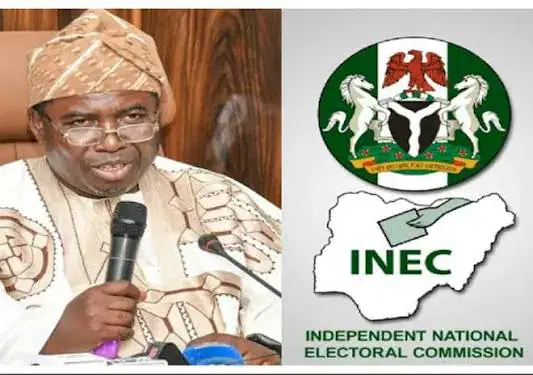
The Independent National Electoral Commission (INEC) in Nigeria has set up a dedicated Artificial Intelligence (AI) unit to combat AI-driven disinformation and protect the integrity of the 2027 general elections. INEC Chairman, Prof. Joash Amupitan, disclosed this at the National Summit on Electoral Information Integrity in Abuja. The summit brought together election officials, media executives, security agencies, civil society organisations, and technology stakeholders to discuss the threats of AI to electoral integrity.
Amupitan warned that artificial intelligence has created new threats capable of undermining elections long before voters arrive at polling units. He said AI could be used to impersonate election officials, circulate fake results, fabricate election directives, and manipulate public opinion. The growing accessibility of generative AI has made sophisticated manipulation cheaper and easier, allowing individuals and organised groups to create cloned voices, realistic videos, and automated networks capable of spreading false information.
The INEC chairman stressed that elections can be undermined long before the first ballot is cast, and that the threat is no longer limited to physical interference. He said technologies once associated with state-level intelligence operations are now increasingly available to ordinary users at relatively low costs. Amupitan warned that AI could generate convincing videos or audio recordings purportedly showing election officials announcing results, cancelling elections, or postponing voting in strategic locations.
Amupitan said INEC has established its AI unit to monitor emerging technologies, assess potential threats, and develop safeguards against digital manipulation. The Commission is deploying ChatGPT to strengthen its response to misinformation and improve strategic crisis communication. INEC is also building the capacity of its ICT, voter education, and communications departments to monitor information channels, identify coordinated manipulation, and verify suspicious digital content.
The Commission is working with international partners, including the European Union, to develop a coordinated communication network for responding rapidly to false information and emerging electoral threats. INEC has memoranda of understanding with some technology companies, particularly TikTok, while seeking stronger collaboration with other major digital platforms. Amupitan warned that conventional fact-checking may no longer be sufficient in an era when manipulated content can spread across digital platforms within minutes.
Amupitan raised concerns over the "liar's dividend", where the widespread existence of AI-generated content could make the public doubt even genuine evidence and authentic official communications. He cited the 2023 Slovak parliamentary election as an example of how manipulated audio could influence public perception shortly before voting. Amupitan warned that similar tactics could emerge during Nigeria's 2027 elections, including the circulation of cloned voices, manipulated videos, and fabricated campaign materials.
The INEC chairman stressed the need for collaboration among INEC, security agencies, telecommunications companies, journalists, civil society organisations, fact-checkers, and technology platforms to protect the credibility of the electoral process. He charged journalists to place accuracy above speed in reporting electoral information and called for improved digital literacy, particularly among rural communities. With the 2027 elections approaching, Amupitan said protecting the credibility of the electoral process would require more than investments in technology.
Key points
- INEC establishes AI unit to combat disinformation ahead of 2027 elections.
- AI poses significant threats to electoral integrity, including impersonation and manipulation of public opinion.
- INEC collaborates with international partners and technology companies to develop safeguards against digital manipulation.