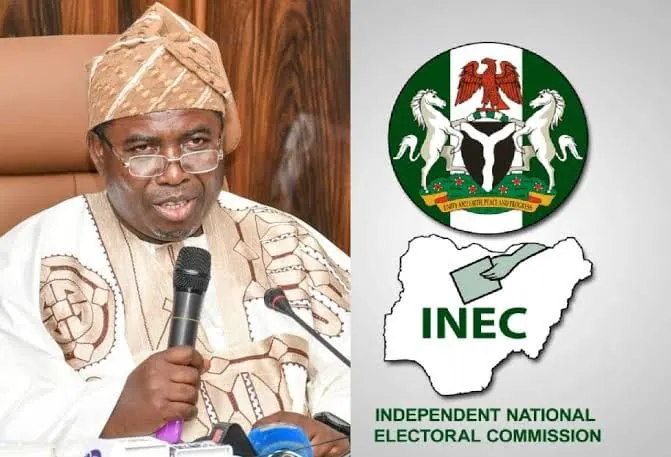
As Nigeria prepares for the 2027 general elections, concerns about public trust in the Independent National Electoral Commission (INEC) and the electoral process persist. INEC is responsible for conducting elections in Nigeria, and confidence in the institution is crucial for a successful democratic process. The 2023 general elections exposed weaknesses in the electoral process, affecting Nigerians' trust in INEC, according to the European Union Election Observation Mission.
Technology was introduced to improve the electoral process, including the Bimodal Voter Accreditation System (BVAS) and the INEC Result Viewing Portal (IReV). These innovations aimed to increase transparency and credibility. However, challenges arose during the 2023 election, particularly with uploading results on IReV, creating concerns among voters and political parties. This highlights that technology alone cannot resolve all electoral issues; proper communication, transparency, and clear explanations from INEC are also essential.
The voters register is another area of concern. INEC has raised issues about duplicate registrations, non-citizen registrations, and names of deceased persons on the register. These problems can erode confidence in the electoral process. INEC must address these issues to ensure a credible voter register. The commission's efforts to clean up the register are crucial in building trust.
Voter turnout is a significant concern, with a decline in participation over the years. According to INEC, presidential election turnout was 53.7% in 2011, 43.6% in 2015, 34.7% in 2019, and 26.7% in 2023. Low voter turnout can be attributed to a lack of confidence in the electoral process. When people believe their votes won't make a difference, they may choose not to participate, further reducing voter turnout and affecting confidence in democracy.
Rebuilding public trust in the electoral process is not solely INEC's responsibility. Political parties, politicians, security agencies, the media, civil society groups, and voters all have roles to play. Political parties and candidates must respect electoral rules and avoid spreading misinformation. The media can help reduce misinformation by providing accurate information about voter registration, election procedures, and results.
INEC has released its timetable for the 2027 general elections, with the presidential and National Assembly elections scheduled for January 16, 2027, and the governorship and State House of Assembly elections for February 6, 2027. The period leading up to the election allows INEC to address concerns raised by Nigerians and stakeholders. Transparency and clear communication will be crucial in rebuilding trust.
Building trust requires more than promises; Nigerians expect transparency, proper use of technology, good communication, and equal application of electoral rules. The credibility of an election is not only about the outcome but also about whether the process is perceived as fair and transparent. Rebuilding public confidence in the electoral process is essential for strengthening Nigeria's democracy ahead of the 2027 general elections.
Key points
- INEC faces challenges in regaining public trust ahead of the 2027 general elections.
- Technology alone cannot resolve all electoral issues; proper communication and transparency are also essential.
- Rebuilding trust requires transparency, proper use of technology, good communication, and equal application of electoral rules.