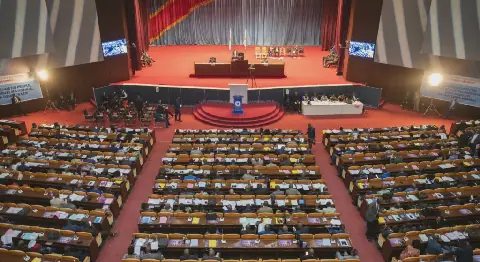
The Independent National Electoral Commission (INEC) and security agencies in Nigeria have vowed to enhance their collaboration and intelligence sharing to prevent electoral violence and misinformation in the lead-up to the 2027 general election. This commitment was made during a Strategic Election Security meeting organized by INEC in Abuja. The meeting aimed to ensure a peaceful, free, and fair electoral process.
INEC Chairman, Professor Joash Amupitan, emphasized the need for improved security coordination, impartial operations, and early identification of threats to the electoral process. He noted that the scale of the elections, involving over 100 million registered voters and 177,299 polling units, required effective cooperation between INEC and security agencies. Amupitan described election security as a shared responsibility.
Professor Amupitan urged the Inter-Agency Consultative Committee on Election Security (IICCES) to move beyond reactive responses by strengthening intelligence gathering, threat assessment, and coordinated security deployment. He condemned attacks on political campaign activities, party offices, supporters, and electoral officials, warning that such incidents could discourage voter participation and undermine public confidence in elections.
The INEC Chairman called for the decentralization of election security coordination to states, local governments, and ward levels to ensure prompt responses to emerging threats. He also stressed the need for adequate protection of election materials, ad-hoc personnel, internally displaced persons, women, elderly voters, and persons with disabilities. Amupitan emphasized the importance of enforcing the Electoral Act 2026.
National Security Adviser, Mallam Nuhu Ribadu, assured Nigerians that security agencies would protect voters, electoral officials, politicians, and other citizens before, during, and after the elections. He emphasized the Federal Government's commitment to peaceful, free, and fair elections, and warned that political desperation, violence, and misinformation could threaten the electoral process.
Mallam Ribadu called for stronger early-warning systems, regular security assessments, and preventive measures to identify potential flashpoints. He also highlighted the growing influence of social media and artificial intelligence as potential threats to the electoral process. The National Security Adviser emphasized the need for security agencies to discharge their responsibilities professionally without taking sides.
The collaboration between INEC and security agencies aims to ensure a successful 2027 general election. Key aspects of their partnership include enhanced intelligence sharing, coordinated security deployment, and the protection of voters, electoral officials, and election materials. The efforts of INEC and security agencies are crucial in maintaining public trust and confidence in the electoral process.
Key points
- INEC and security agencies pledge to strengthen collaboration and intelligence sharing.
- The partnership aims to prevent electoral violence and misinformation ahead of the 2027 general election.
- Election security is a shared responsibility that requires effective cooperation between INEC and security agencies.