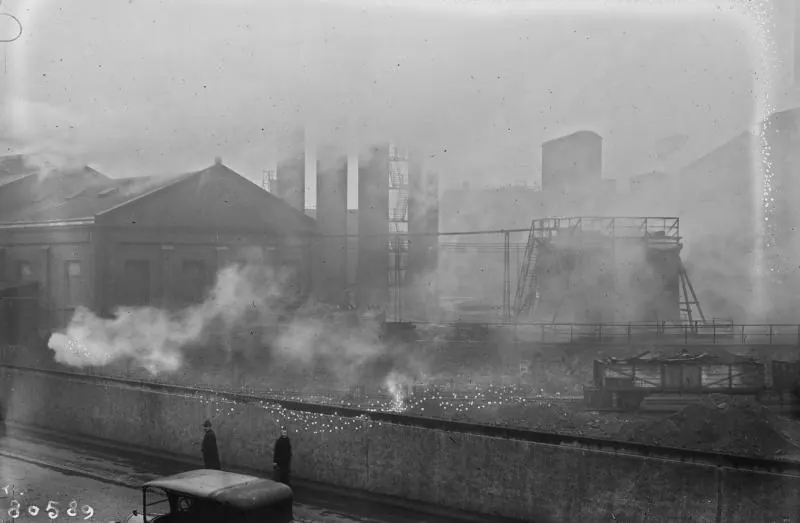
The concept of environment as we know it today began to take shape in the 19th century, coinciding with the rapid growth of industry. This period, often referred to as the Industrial Revolution, saw a significant increase in the exploitation of natural resources, leading to substantial pollution and environmental degradation. As industries expanded, the impact on the environment became more pronounced, sparking concerns among the public and in the press. The notion of environment and the effects of industrialization on ecosystems started to gain attention.
In Mauritius, as in many other parts of the world, the effects of industrialization on the environment were becoming increasingly evident. The growth of industries led to the release of pollutants into the air and water, affecting not only the environment but also the health of the local population. The press played a crucial role in highlighting these issues, with articles and reports detailing the negative impacts of industrial activities on the environment. This growing awareness led to a heightened sense of concern among the public.
The medical community also began to sound the alarm about the health implications of environmental degradation. In 1932, the Gazette hebdomadaire des sciences médicales de Bordeaux published an article detailing the health risks associated with industrial pollution in the Bordeaux region. The article highlighted the dangers of air pollution from industrial activities, including the burning of waste and the release of toxic fumes. These concerns were not limited to Mauritius, as similar issues were being raised in other parts of the world.
As industrialization continued to expand, the public became increasingly vocal about their concerns regarding the environmental impact of industrial activities. When a new industrial plant was proposed, local residents would often protest, citing concerns about pollution and the potential health risks. For example, in 1937, residents near the forest of Montmorency in France protested against the construction of a waste incineration plant, citing concerns about air pollution and the impact on their health.
The concerns about industrial pollution and environmental degradation were not limited to local communities; they also began to influence public policy. Governments started to take notice of the issues and began to implement regulations to mitigate the impact of industrial activities on the environment. In Mauritius, as in other countries, the growth of environmental awareness led to increased scrutiny of industrial activities and a push for more sustainable practices.
The historical context of industrialization and environmental awareness provides valuable insights into the current challenges facing Mauritius and other countries. The experience of the past highlights the importance of balancing economic development with environmental protection. As the world continues to grapple with the challenges of climate change, pollution, and environmental degradation, understanding the historical roots of these issues is crucial for developing effective solutions.
Today, the legacy of industrialization and environmental awareness continues to shape our approach to environmental issues. The recognition of the impact of human activities on the environment has led to increased investment in sustainable technologies and practices. In Mauritius and around the world, efforts to promote environmental protection and sustainable development are ongoing, with a growing recognition of the need to balance economic growth with environmental stewardship.
Key points
- The notion of environment emerged in the 19th century as industrialization took hold, with growing concerns about pollution and environmental degradation.
- The medical community began to sound the alarm about the health implications of environmental degradation, highlighting the dangers of air pollution from industrial activities.
- The concerns about industrial pollution and environmental degradation influenced public policy, leading to increased scrutiny of industrial activities and a push for more sustainable practices.