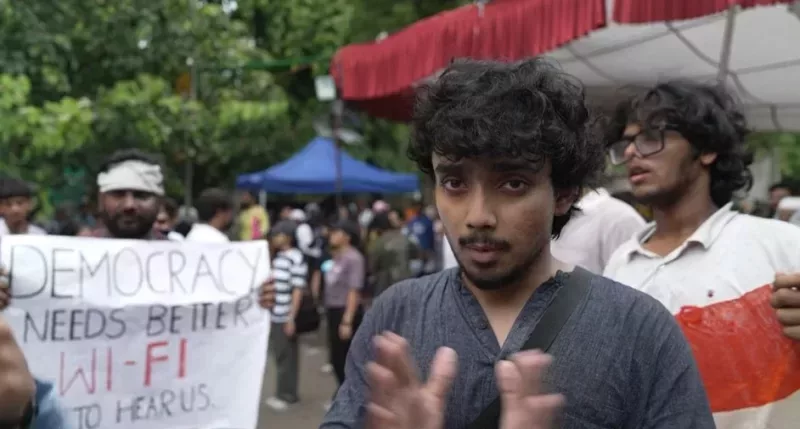
The Cockroach Janta Party (CJP), a pressure group that began as an online satirical movement, has launched a series of protests across India seeking electoral reforms and the resignation of Chief Election Commissioner (CEC) Gyanesh Kumar. The protests, which started with a rally at Shivaji Park grounds in Mumbai, aim to "save democracy" and address allegations of vote theft and election rigging. The CJP gained prominence in July after forcing education minister Dharmendra Pradhan to resign through weeks of protests.
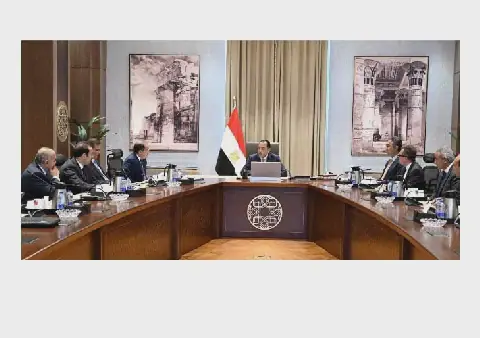
The protests were sparked by a report in The Indian Express that CEC Kumar's two fellow election commissioners, Sukhbir Singh Sandhu and Vivek Joshi, had formally objected at least 14 times over 10 months to decisions and orders they said had been issued without their knowledge. The objections were mainly related to a controversial revision of the country's electoral rolls, known as the Special Intensive Revision (SIR), which began last year. The Election Commission claims the exercise aims to remove duplicate and ineligible entries, with 130 million names struck off the voters' list so far.
However, opposition parties and activists have alleged that many of those removed are eligible voters and that the process is being manipulated by CEC Kumar to favour Prime Minister Narendra Modi's Bharatiya Janata Party (BJP) during elections. Both the BJP and the Election Commission have rejected the accusations. The revelations have sparked a furore, with opposition leaders demanding Kumar's resignation. Leader of the opposition and senior Congress party leader Rahul Gandhi has repeatedly accused the commission of "stealing votes from the opposition".
The CJP protests have drawn significant support, particularly from young people. In Mumbai, thousands of people joined the rally at Shivaji Park grounds, with many coming from outside the city. There was a heavy police presence at the venue, and a small stage was set up on a truck from where CJP leaders spoke. In Delhi, however, police detained hundreds of people who were trying to protest at Jantar Mantar, a central site in the capital where the last CJP protest took place.
The opposition parties have also planned their own protests, with the INDIA alliance, a grouping of nearly two dozen parties, announcing plans to organise protest rallies across the country. On October 6, all opposition MPs plan to march to the Election Commission office in Delhi. The CJP has said its protests will continue across the country in October, culminating in a rally in the capital, Delhi.
CEC Kumar and the Election Commission have not responded to the calls for Kumar's resignation or allegations of vote theft and election rigging. The Election Commission has defended its way of working, saying that "differing views" were part of the "decision-making process" and that all decisions were taken unanimously.
The protests highlight the growing concerns about the integrity of India's electoral process. With the 2027 elections approaching, the opposition parties and activists are demanding reforms to ensure the credibility of the electoral process. The CJP's protests have brought attention to the issue, and it remains to be seen how the government and the Election Commission respond to the allegations.
Key points
- The Cockroach Janta Party (CJP) is leading protests across India demanding electoral reforms and the resignation of Chief Election Commissioner Gyanesh Kumar.
- The protests are sparked by allegations of manipulating voter rolls and vote theft in the run-up to the 2027 elections.
- The opposition parties have also planned their own protests, with the INDIA alliance announcing plans to organise protest rallies across the country.