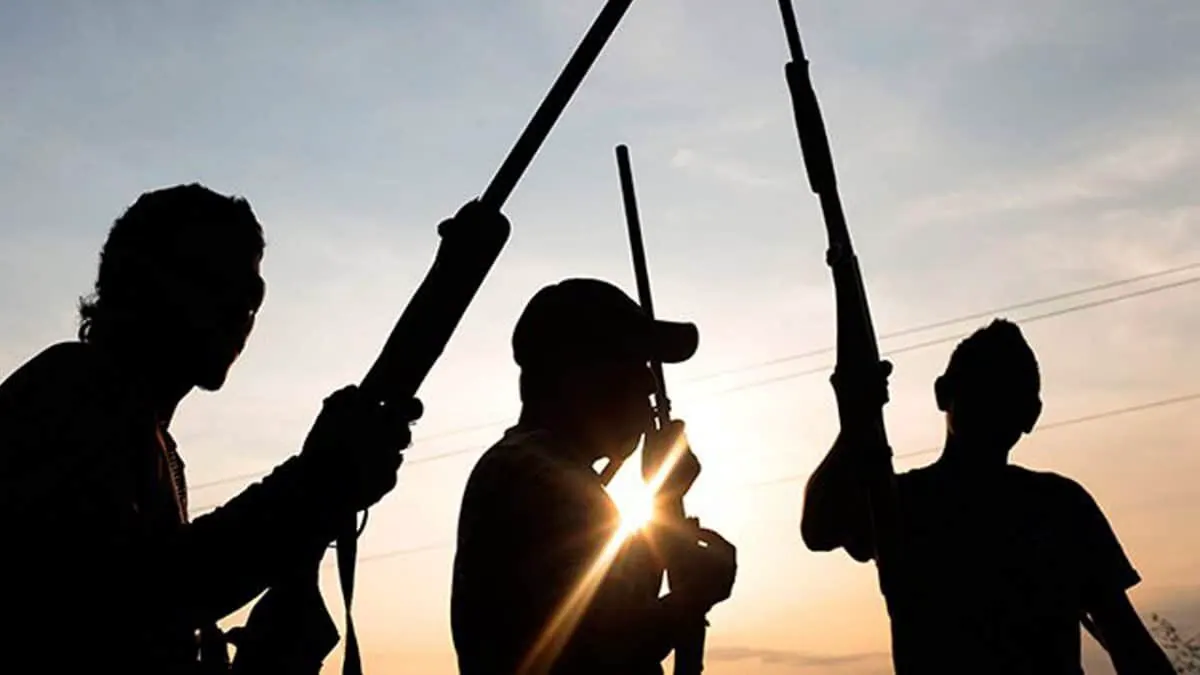
As Nigeria marks 66 years of independence, the country faces a complex security environment, far removed from the conventional policing challenges of 1960. The modern crime landscape encompasses kidnapping, terrorism, drug trafficking, arms proliferation, cybercrime, cult violence, and attacks on critical infrastructure. This changing crime map presents a significant challenge to the Nigerian security establishment, requiring a shift from reactive to proactive measures. The country’s security agencies must now focus on gathering intelligence, disrupting criminal financing, and tracking networks across state and national borders.
The Nigeria Police Force, military, National Drug Law Enforcement Agency (NDLEA), Nigeria Security and Civil Defence Corps (NSCDC), and other agencies are adapting to a crime environment where criminals exploit technology, difficult terrain, porous borders, and weak community intelligence. The Inspector-General of Police, IGP Olatunji Disu, has identified kidnapping, armed robbery, cult-related violence, terrorism, banditry, farmer-herder conflicts, and cyber-enabled crimes as key threats. Recent police operations have resulted in the arrest of suspects, rescue of kidnapped victims, and recovery of firearms and ammunition.
Kidnapping has become a clear example of Nigeria’s changing security environment, with a report by SBM Intelligence recording 7,825 people abducted in 1,713 incidents between July 2025 and June 2026. The report also noted N7.78 billion paid in ransom and 1,142 deaths during the period. Security analyst Kehinde Giwa of SBM Intelligence suggests that ransom payments create a dangerous cycle, strengthening kidnappers’ capacity to continue operating. The geography of insecurity has also changed, with kidnappers targeting schools, travellers, communities, and soft targets.
The illicit movement and proliferation of firearms is another security problem behind many violent crimes. The police have announced convictions and lengthy prison terms for two men arrested in Katsina over an arms-trafficking operation. The recovered weapons included a PKT machine gun, 230 rounds of PKT ammunition, and 1,663 rounds of AK-47 ammunition. Fighting violent crime increasingly means targeting the supply chains that make such crimes possible.
The expansion of the illicit drug trade is another major dimension of Nigeria’s evolving security challenge. Recent NDLEA operations have intercepted large quantities of tramadol, opioids, and cannabis, with a combined street value of over N3.4 billion. The agency’s increasing collaboration with international partners reflects the cross-border character of the drug economy. Drug trafficking can intersect with organised crime, money laundering, street violence, and other forms of criminality.
Nigeria’s security challenge also extends to the infrastructure supporting the economy, with power installations, telecommunications facilities, pipelines, railways, water infrastructure, roads, and public assets vulnerable to vandalism, theft, and sabotage. The NSCDC has a statutory responsibility to protect critical national assets and infrastructure, and has commissioned projects to strengthen surveillance and protection of oil and gas assets.
The complexity of Nigeria’s security environment requires a multi-faceted approach, involving security agencies, international partners, and the public. The country’s 66th independence anniversary serves as a reminder of the need for sustained efforts to prevent and dismantle the networks behind organised crime. Effective collaboration and intelligence sharing will be crucial in addressing the evolving security challenges facing Nigeria.
Key points
- Kidnapping has become a major security challenge in Nigeria, with 7,825 people abducted in 1,713 incidents between July 2025 and June 2026.
- The illicit drug trade is expanding, with recent seizures including over 1.3 million pills of tramadol and 6,000kg of cannabis.
- Nigeria’s security environment requires a shift from reactive to proactive measures, including intelligence-led and inter-agency operations.