The United Nations Day celebration held on October 28 in Kinshasa, Democratic Republic of Congo, shone a spotlight on vulnerable groups facing exclusion. The event, attended by various dignitaries and stakeholders, aimed to raise awareness about the challenges faced by persons with disabilities, persons with albinism, Indigenous Pygmy peoples, and young people. According to Damien Mama, the UN Resident Coordinator in the DRC, these groups have aspirations that are not being sufficiently heard.
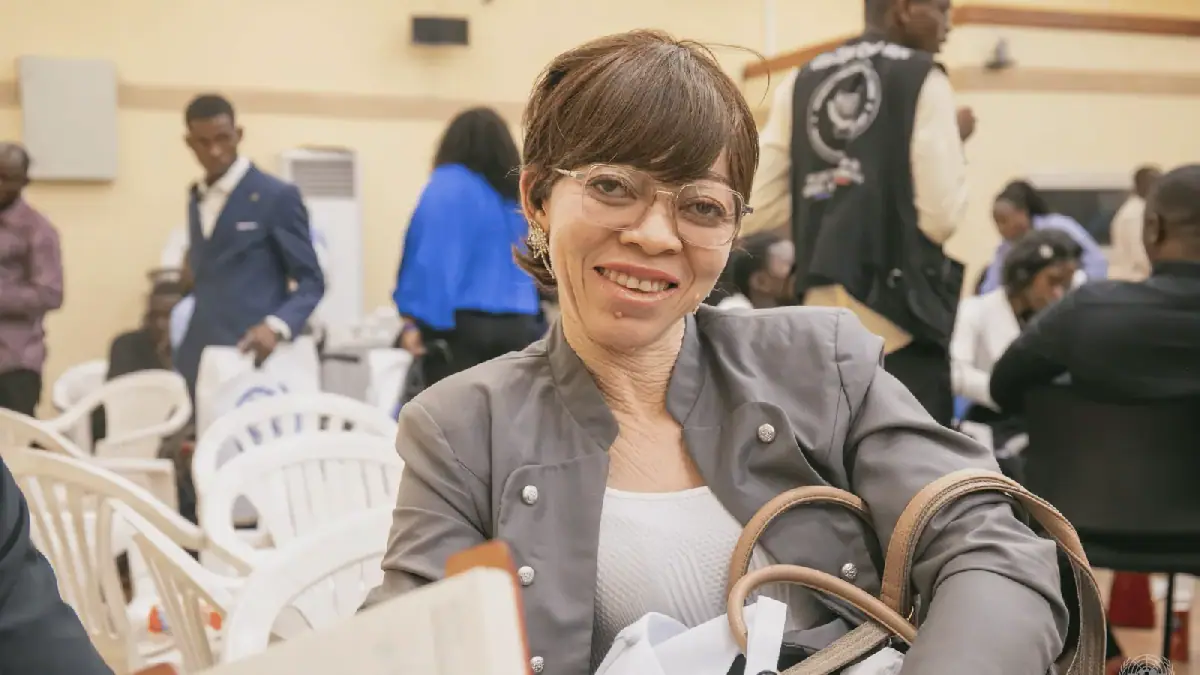
Placide Mukendi, a young man with albinism, shared his personal experience of facing exclusion in the job market. Despite successfully completing the recruitment process for a position at a microfinance company, he was not selected due to his condition. Mukendi has since started his own business, running several shops offering telecommunications services. His story highlights the difficulties faced by persons with albinism in accessing employment opportunities.
Rachel Itindi, a young woman who lost her brother to skin cancer due to a lack of knowledge about albinism, is now using the media to educate people about the condition. Through her "Albinos Family" project, she hosts weekly educational programs on albinism, aiming to change attitudes and overcome ignorance. Itindi believes that education can help prevent others from dying due to a lack of knowledge about albinism.
The UN Resident Coordinator, Damien Mama, emphasized the need for collective efforts to combat exclusion. He stressed that no country or institution can meet this challenge alone and urged everyone to go "beyond legislation" to ensure inclusion. Mama highlighted the importance of participation of vulnerable groups in development programs, humanitarian action, and peacebuilding initiatives.
The Minister of Human Rights, Samuel Mbemba, described the UN Day celebration as an important opportunity to highlight the government's efforts to make the DRC an inclusive, just, and equitable country. The government has implemented various programs aimed at promoting inclusion and addressing the challenges faced by vulnerable groups.
Rachel Itindi's "Let's Talk Openly About Albinism in Schools" program aims to challenge stereotypes and promote inclusion in educational institutions. She believes that schools are where children must learn to see persons with disabilities or albinism as individuals deserving of dignity, respect, and opportunities. By educating children about albinism and inclusion, Itindi hopes to create a more accepting and supportive environment.
The UN Day celebration in Kinshasa served as a reminder of the importance of inclusion and the need for collective efforts to address the challenges faced by vulnerable groups. Key stakeholders, including government officials, UN representatives, and civil society organizations, reaffirmed their commitment to promoting inclusion and ensuring that no one is left behind.
Key points
- The UN Day celebration in Kinshasa highlighted the challenges faced by persons with disabilities, albinism, Indigenous Pygmy peoples, and young people in the Democratic Republic of Congo.
- The event aimed to raise awareness about the importance of inclusion and the need for collective efforts to address the challenges faced by vulnerable groups.
- Various stakeholders, including government officials and civil society organizations, reaffirmed their commitment to promoting inclusion and ensuring that no one is left behind.