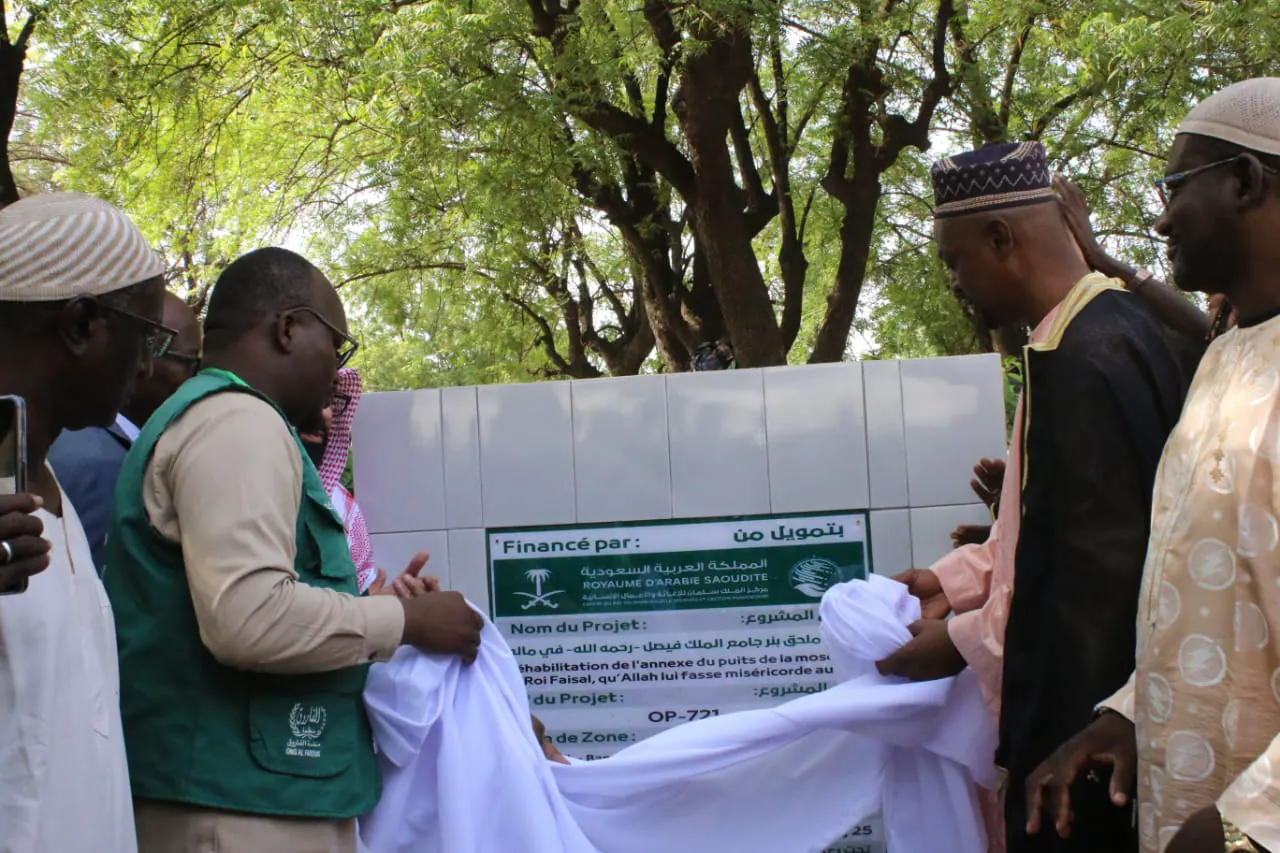
On October 6, 2026, Cheick Oumar Traoré, Chief of Staff of Mali's Ministry of Religious Affairs, presided over the inauguration of 36 new latrines at Bamako's Grand Mosque, also known as the King Faisal bin Abdul Aziz Grand Mosque. The project, financed by Saudi Arabia, aims to improve hygiene and sanitation at the mosque. The event was attended by Saudi Ambassador to Mali Khalid Ateinani, members of the mosque's founding family, and several imams and worshippers.
The new infrastructure, built by the Al Farouk NGO, consists of two separate blocks: one with 26 toilets for men and another with 10 toilets for women. The project cost approximately 100 million CFA francs, covering construction, equipment, and a training and awareness program for cleaning agents and worshippers. This initiative strengthens the cooperation between Riyadh and Bamako, with a long-standing partnership dating back to 1964.
The project was undertaken in response to identified needs following the completion of a water access project at the mosque in 2025. The Al Farouk NGO had previously drilled a well to improve access to clean water, highlighting the need for upgraded sanitation facilities. Bani Touré, representing the Touré family, expressed satisfaction with the new facilities, citing the poor condition of the previous toilets.
Saudi Ambassador Khalid Ateinani emphasized the spiritual and environmental significance of the project, highlighting the importance of maintaining places of worship. He noted that the Kingdom, under the leadership of Prince Mohammed Ben Salmane, prioritizes the maintenance and upkeep of mosques. Cheick Oumar Traoré thanked the partners for their contribution, urging users to maintain the new facilities.
The Grand Mosque of Bamako, an important center of worship for thousands of Muslims, now boasts modern sanitation facilities that meet public hygiene standards. The mosque, renamed in 2013 in honor of King Faisal, was initially built with Saudi support in 1964. The new latrines are expected to improve the overall experience for worshippers.
The project was made possible through the collaboration between the Saudi-based King Salman Center for Relief and Humanitarian Action and the Al Farouk NGO. Moustaphe N'Diaye, an Al Farouk agent, recalled the historical ties between Saudi Arabia and Mali, which have led to several development projects in the country.
The inauguration of the new latrines marks a significant improvement in the facilities at the Grand Mosque, enhancing the ability of worshippers to practice their faith in a clean and dignified environment. The event highlighted the ongoing cooperation between Mali and Saudi Arabia in supporting development projects in the region.
Key points
- The project was financed by Saudi Arabia and implemented by the Al Farouk NGO.
- The new facilities include 36 latrines and modern sanitation infrastructure.
- The project aims to improve hygiene and sanitation for thousands of worshippers at the Grand Mosque.