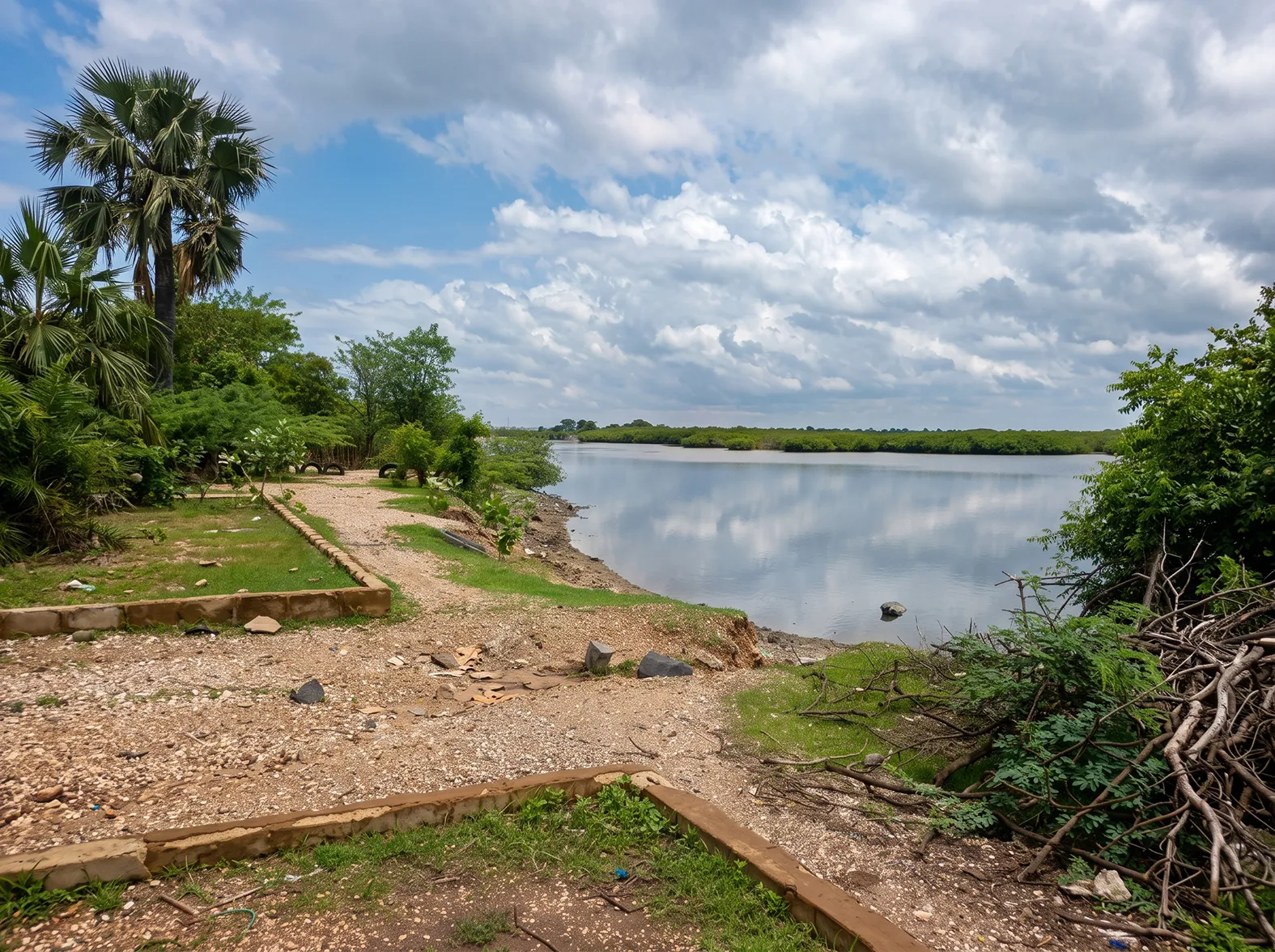
In the traditional neighborhood of Ndoubab, Joal, Senegal, a serene atmosphere pervades, where history, memory, and daily life blend. Behind the old Catholic cemetery, the mangrove and a nearby estuary harbor a sanctuary dedicated to Mama Nguedj, a revered figure in Serer tradition. For generations, stories, rituals, and testimonies have kept her memory alive, with some residents attributing the protection of Joal and its terroir to her.
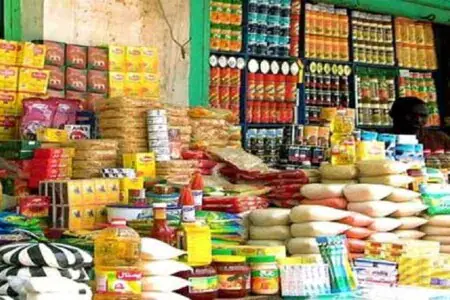
The neighborhood of Ndoubab, with its ancient trees, seems frozen in time. The old, rehabilitated well, allegedly renovated by the French in 1817, is a vital part of this collective memory. According to François Ndiana Faye, Ndoubab's delegate, the neighborhood's name may originate from the Wolof word "Toubab," referring to Europeans. Babacar Diouf, a municipal councilor, notes that Ndoubab was once a significant commercial hub, converging products and exchanges, with Portuguese traders participating in the area's early commercial networks.
Mama Nguedj occupies a special place in Serer cosmology, associated with protecting the land, waters, and communities. The name Mama Nguedj is deeply connected to water in Joal, with the spirit believed to have repelled invaders seeking to claim the town. For centuries, she has been regarded as the guardian of the lagoon, mangrove, estuary, and coastal communities of Joal-Fadiouth. This belief remains deeply ingrained in parts of the Serer community.
Mbaye Demba Diop, alias Nguéss, frequently visits the mangrove sanctuary behind Ndoubab's cemetery to pay homage to Mama Nguedj. He tosses coins into the water as offerings, seeking protection and making wishes. In Serer tradition, the marine environment and land are inhabited by protective spirits called "Pangol." François Ndiana Faye notes that Mama Nguedj can manifest in various forms, including as a horse or human.
Faye shares a personal experience that profoundly marked his youth, involving an encounter with Mama Nguedj in the form of a horse. He recounts that his mother warned him about nocturnal vigils and identified the horse as Mama Nguedj, who had also heard the noises. This experience led Faye to cease his nocturnal activities. He cites Mama Nguedj, Kouta, and Fassanda as three protective spirits attributed with safeguarding Joal.
The Sidy family has been entrusted with the ritual associated with Mama Nguedj, perpetuating this tradition across generations. Adama Sidy, a guardian of this ritual memory, learned about the practices from his grandmother, who performed incantations and libations. He believes that Mama Nguedj possesses a distinct identity and character that transcends the stories passed down through generations.
The tradition of Mama Nguedj continues to thrive in Joal, with residents upholding the rituals and stories surrounding this protective spirit. As a testament to her significance, Mama Nguedj remains an integral part of the town's history and collective memory, embodying the connection between the community and their environment.
Key points
- The protective spirit Mama Nguedj is deeply ingrained in the Serer tradition, safeguarding the coastal town of Joal and its people.
- The neighborhood of Ndoubab, with its rich history and cultural significance, serves as a sanctuary for Mama Nguedj and a testament to the town's heritage.
- The Sidy family has been entrusted with the ritual associated with Mama Nguedj, ensuring the continuation of this centuries-old tradition.