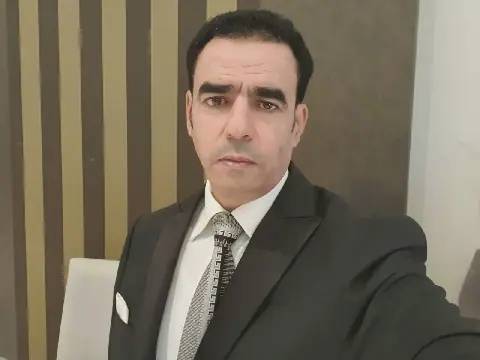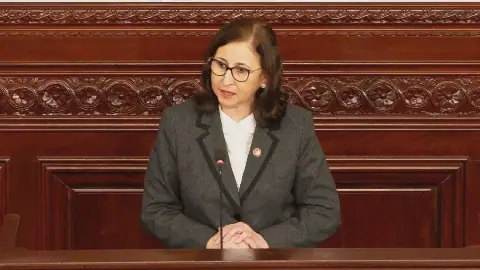
A recent article by Ousmane Boh Kaba on Mediaguinee has sparked a heated debate in Guinea over the relationship between literacy, accountability, and the country's persistent electricity crisis. The author, who identifies as an uneducated individual from Kankan, recounts a recent incident at the National Assembly where a doctor in economics was labeled an "analphabet" by a minister for pointing out that Guinea sells electricity to neighboring countries while its own capital, Conakry, suffers from frequent power outages.
The author's grandmother, who had no formal education, used to say that a person who prioritizes profits over the well-being of their family is not a true businessman, but rather a "cadaver who doesn't know it yet." This phrase has stuck with the author, who sees parallels between his grandmother's wisdom and the current situation in Guinea. The country's leaders often prioritize appearances over actual results, leaving citizens to suffer from a lack of electricity.
The author reflects on his own experience with electricity in Kankan, where the local river, the Milo, has flowed without interruption for generations, but has never provided electricity. In contrast, the author notes that Guinea exports electricity to neighboring countries, including Senegal, Gambia, and Guinea-Bissau, which is a source of national pride. However, this has not translated to reliable power for Guineans themselves.
The article also touches on the theme of intellectualism and how it is perceived in Guinea. The author describes a local character, Hakilima, who walks around with a light bulb attached to a string around his neck, claiming to be "exporting" electricity. While some people laugh at Hakilima's antics, the author suggests that he may be onto something. Hakilima's response to being told he can't read in the dark - "it's not me who doesn't know how to read, it's the electricity that doesn't know how to come" - resonates with the author.
The author argues that in Guinea, being labeled an "intellectual" often means being out of touch with reality, while being called an "analphabet" can be a sign of being aware of the country's problems. The author recounts how, in 2018, protests over the lack of electricity led to promises of a solar power plant, but the project stalled after the Chinese contractor died. The author suggests that the country's leaders are more interested in making promises than in delivering results.
The article concludes with a proposal to close schools and award doctorates to those who remain silent, as a way of highlighting the absurdity of a system where speaking truth to power is seen as a sign of ignorance. The author blows out his candle, which is almost finished, and plans to buy another one, imported from elsewhere, as Guinea does not produce its own. The author ends with a wry comment about not wanting to reveal his qualifications, as he only has his grandmother's wisdom to rely on.
As the country continues to grapple with its electricity crisis, the debate sparked by Kaba's article is likely to continue. The author suggests that perhaps it is time for a new approach, one that prioritizes results over rhetoric and accountability over appearances. Only time will tell if Guinea's leaders will take heed of the author's words and work towards a more reliable and sustainable electricity supply for all citizens.
Key points
- A Guinean author's commentary on the country's electricity crisis has sparked a national debate on literacy, accountability, and the role of intellectuals.