Guinea is grappling with a succession of catastrophes and events that have become a daily reality for its citizens. The question on every concerned Guinean's mind is why such preventable dramas continue to occur, often with fatal consequences. Despite independence in 1958 and multiple regime changes, promises of reform and modernization have not yielded desired results. Certain vulnerabilities persist, affecting ordinary citizens who rely on the state for protection.
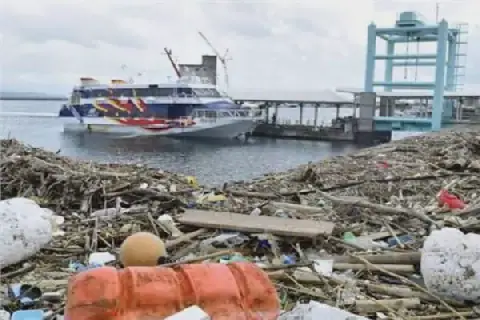
Recent months have seen devastating floods in Conakry, Lambanyi, Fossidet, Kobaya, Sonfonia Lac, and other areas, disrupting daily life and activities. On September 19, 2026, heavy rainfall caused significant flooding in Manéah and Coyah, with Bananeraie Khalo, Laminayah, and Kalema also affected. According to the National Agency for Disaster Management and Humanitarian Response, the floods resulted in at least one death, eight injuries, and 269 displaced individuals. These numbers represent families, abandoned homes, and displaced children.
While rainfall is a natural phenomenon, the consequences of flooding do not have to be fatal. The state can play a crucial role in mitigating these effects through proper territorial planning, respect for construction zones, protection of waterways, and maintenance of drainage systems. The July 2026 operations in Lambanyi to clear water passages and drainage systems demonstrate an understanding of this issue. The question remains whether the state will continue to react after disasters or prioritize prevention.
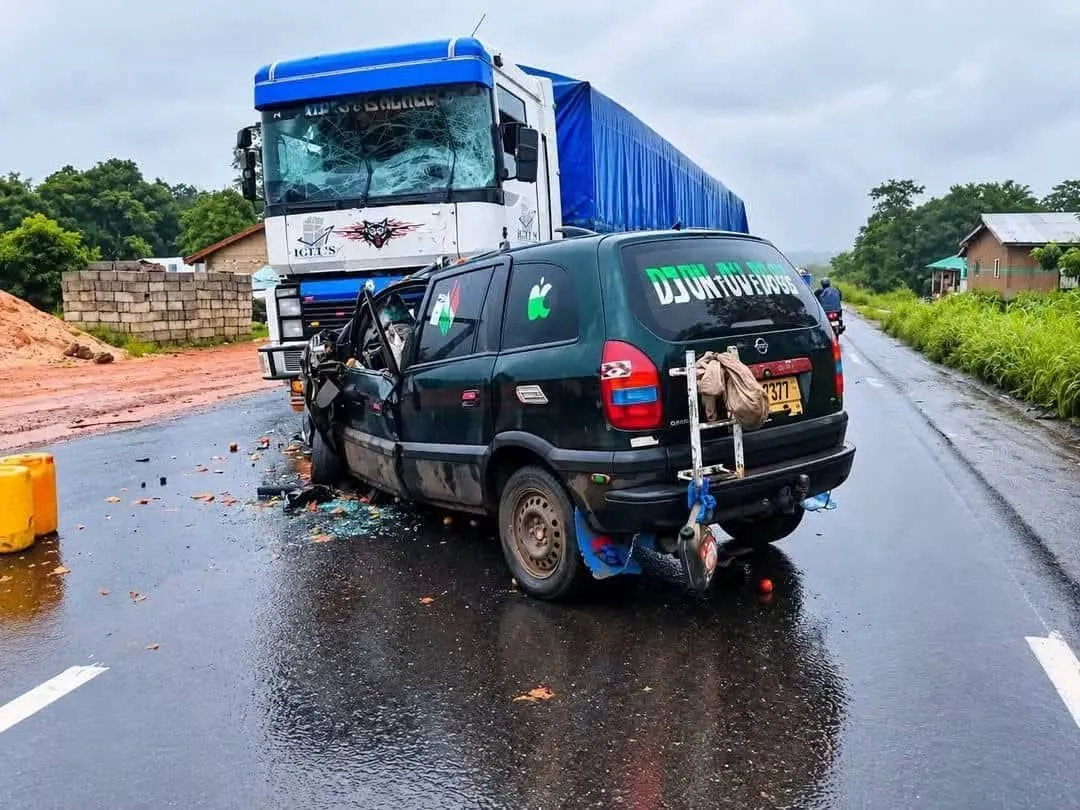
Another national tragedy is road insecurity, which has claimed numerous lives. A June 2026 accident on the Conakry-Mamou axis and a August 2026 collision in Labota, Kindia prefecture, which killed seven people, are recent examples. These incidents highlight the need for greater responsibility from the state, institutions, and road users. The repetition of such tragedies can lead to desensitization, making it essential to reassess the effectiveness of current measures.
Both floods and road accidents require a shared responsibility approach. Citizens must respect traffic laws, avoid occupying water passages, and refrain from constructing in high-risk zones. However, the state also has a critical role in enforcing laws, controlling and maintaining infrastructure, and providing services to prevent such disasters. The state's responsibility cannot be overstated, particularly in preventing harm to its citizens.
The core issue lies in reforming Guinea's public administration. The country possesses intelligent and competent individuals capable of designing and implementing modern policies. What it needs is for competence, merit, integrity, responsibility, and a sense of public service to become the guiding principles of its administration. This is not merely a citizen's critique but a documented concern, as outlined in the Vision Guinée 2040 national planning document.
The Vision Guinée 2040 document highlights a public administration weakened by nepotism and clientelism, according to public perception. To address Guinea's recurring disasters, the state must prioritize public administration reform, focusing on merit-based systems and a culture of responsibility. By doing so, Guinea can work towards preventing tragedies and ensuring a safer, more secure future for its citizens.
Key points
- Guinea's public administration needs reform to address recurring disasters and tragedies effectively.