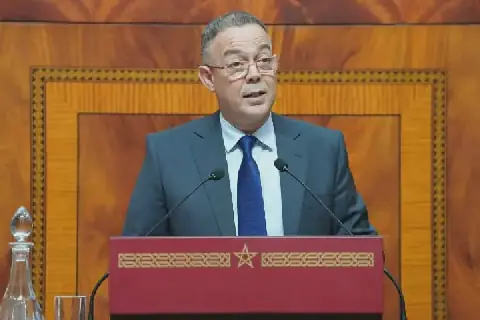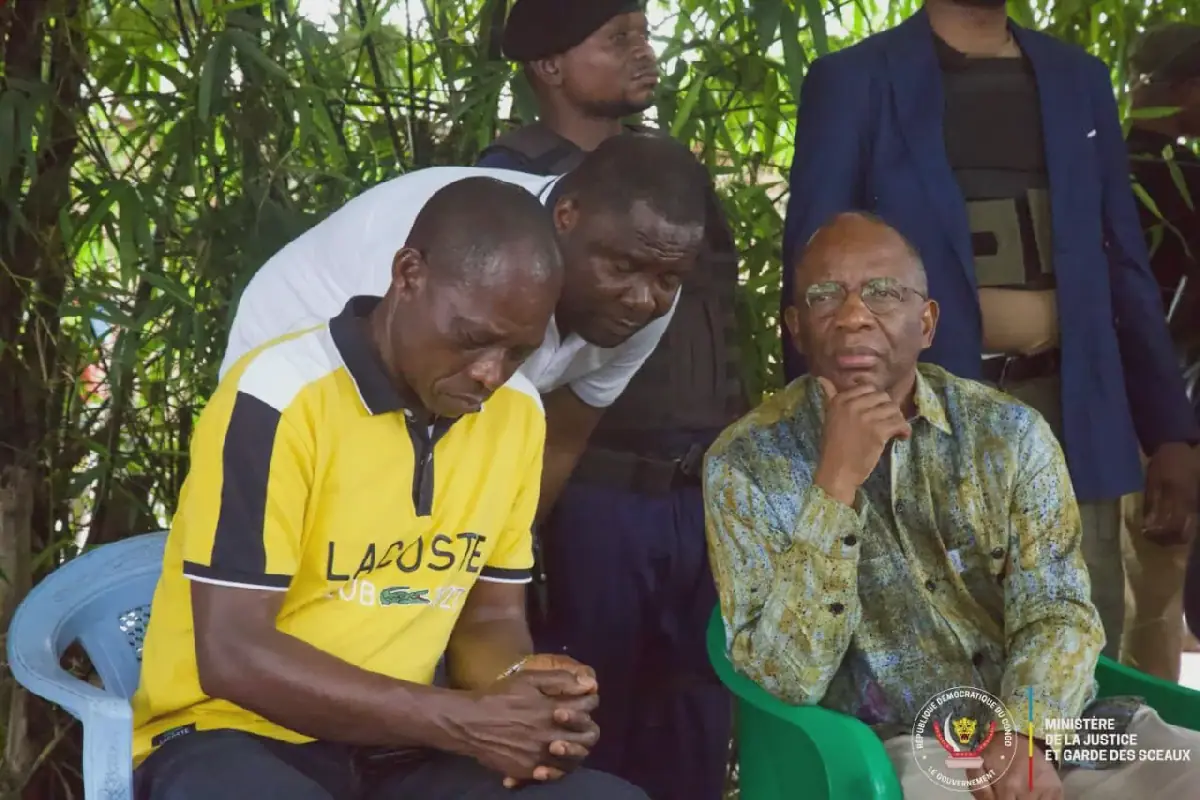
The Democratic Republic of Congo's Minister of Justice, Guillaume Ngefa Atondoko Andali, recently visited the rural village of Ibansi in Kwilu province, where residents expressed frustration with the local justice system. They claim that only those with money can access justice, while others are left behind. The village, located 33 kilometers from Kikwit, was not initially part of the minister's itinerary, but he made an impromptu stop to hear the concerns of the villagers.
During the meeting, residents shared their experiences of alleged abuse by local security and justice services. They reported arbitrary arrests, exorbitant fines, and land disputes, which they say disproportionately affect the poor. Layobo Muke, a 70-year-old farmer, summarized the situation: "There is no justice here. It's only those with money who have access to justice." The villagers also accused local authorities, including elements of the Forces armées de la RDC (FARDC), Police nationale congolaise (PNC), and a local intelligence service known as "Bureau 2," of engaging in corrupt practices.
The villagers provided specific examples of their experiences. Élie Bitula, president of the village youth, described how military personnel arrest people who are out after 18 hours, while police arrest individuals for minor offenses, such as stealing a bunch of bananas or a mobile phone. He also alleged that certain agents of the "Bureau 2" use torture. The villagers demanded better administration of justice and an end to what they see as abusive practices.
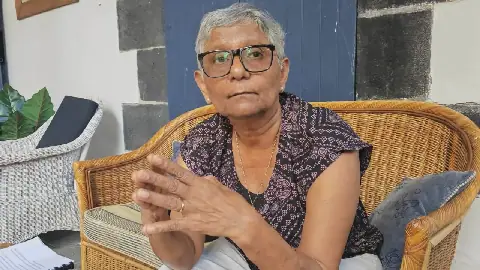
Célestine Kahanga, a 65-year-old farmer, highlighted the financial burden of arrests on rural families. She claimed that families are often forced to pay large sums of money, between 500,000 and 1 million Congolese francs (approximately $220 to $440 USD), to secure the release of arrested family members. If they cannot afford to pay, the arrested individual is sent to prison. Her testimony illustrated the vulnerability of rural families to judicial procedures and the associated costs.
The visit by Minister Ngefa was part of a broader evaluation of the justice system in Kwango and Kwilu provinces. The minister's tour aims to assess the functioning of judicial services, including infrastructure and organization. However, the stop in Ibansi underscored a deeper issue: the lack of access to justice in rural areas. The distance between rural communities and judicial services often prevents citizens from exercising their rights and seeking redress.
The residents of Ibansi called for a more equitable and accessible justice system. They emphasized that the presence of tribunals is not enough; they need a justice system that is fair, impartial, and free from corrupt practices. The minister's visit provided a platform for their voices to be heard, and it remains to be seen how their concerns will be addressed.
The issue of unequal access to justice in rural DR Congo is a pressing concern. The case of Ibansi highlights the need for reforms to ensure that justice is accessible to all, regardless of economic status or geographical location. The minister's commitment to addressing these concerns will be crucial in determining the success of his mission.
Key points
- Residents of Ibansi, Kwilu province, accuse local authorities of unfair justice, citing arbitrary arrests, exorbitant fines, and land disputes.