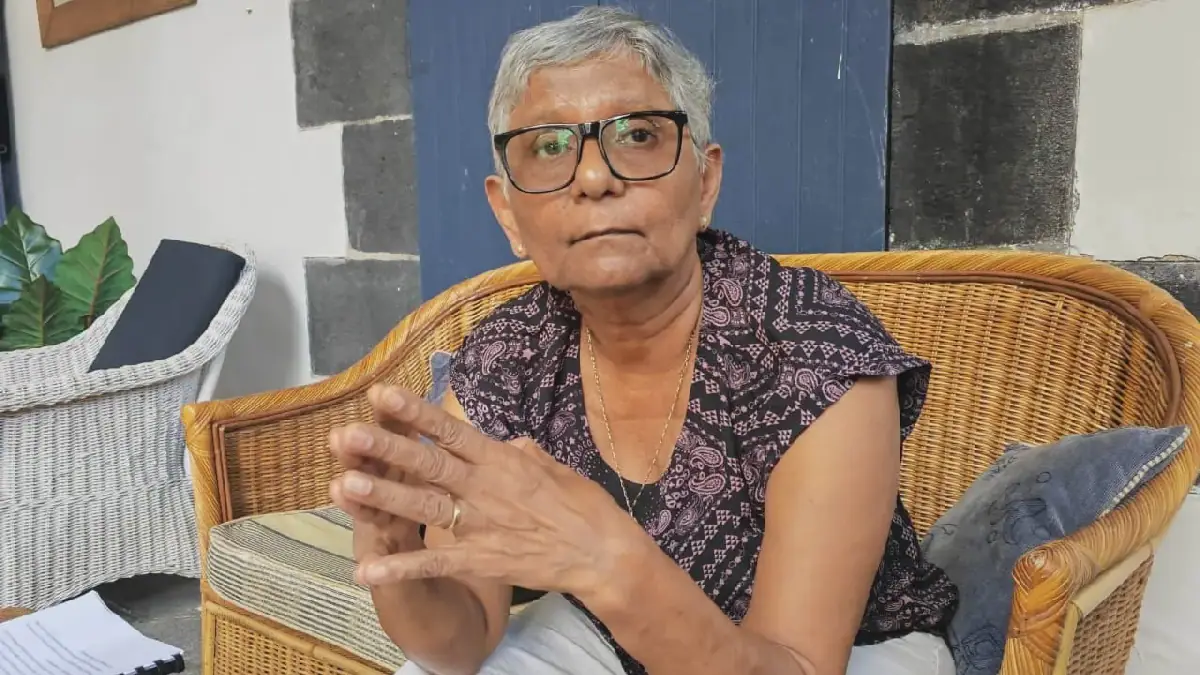
Pouba Essoo, Chairperson of Mauritius' National Solidarity Fund (NSF), has expressed concerns over the effectiveness of poverty alleviation efforts in the country. Despite the NSF's allocation of Rs 70 million to 3,500 beneficiaries in 2025-2026, Essoo questions whether current approaches are truly addressing the issue. She notes that certain NGOs may not be measuring the impact of their actions, which could be hindering progress.
The NSF provides financial assistance to families facing unforeseen difficulties, such as accidents or medical emergencies. For instance, the fund offers a one-time payment of Rs 50,000 to families affected by tragic accidents, with no income criteria applied. Additionally, the NSF contributes to the repatriation of deceased individuals' remains, provides support for multiple births, and offers financial assistance for severe medical conditions.
Essoo highlights that the NSF's resources are limited, and its expenditures must align with its revenue. The fund's income comes from unclaimed winnings from lotteries and games, as well as contributions from Lottotech. As a result, the NSF must establish parameters and criteria to determine which requests to fund. Despite these efforts, Essoo acknowledges that the NSF cannot single-handedly resolve the problem of poverty.
The NSF has introduced a new initiative to support victims of domestic violence housed in residential centers. This move follows a proposal from a center responsible for accommodating women in distress. However, Essoo notes that certain women in refuge centers do not receive this assistance, and some women placed in "places of safety" do not obtain the necessary Protection Order to access support.
To improve the efficiency of its services, the NSF has streamlined its application process, reducing waiting times for financial assistance from three to six months to a more reasonable timeframe. Essoo emphasizes the importance of ensuring that applicants do not face additional difficulties during an already challenging time.
The NSF has also increased the income threshold for accessing assistance to Rs 40,000, up from Rs 35,000 previously. However, Essoo questions whether income alone is a reliable indicator of a family's financial situation, suggesting that factors such as family size, dependents, rent, and medical expenses should also be considered.
Essoo criticizes certain NGOs for not doing enough to address poverty, suggesting that some organizations may be perpetuating the issue to secure funding. She calls for a more effective approach to poverty alleviation, one that prioritizes measuring the impact of interventions and addressing the root causes of poverty.
Key points
- Pouba Essoo questions the effectiveness of current poverty alleviation efforts in Mauritius.
- The National Solidarity Fund has allocated Rs 70 million to 3,500 beneficiaries in 2025-2026.
- Essoo criticizes certain NGOs for not measuring the impact of their actions in addressing poverty.