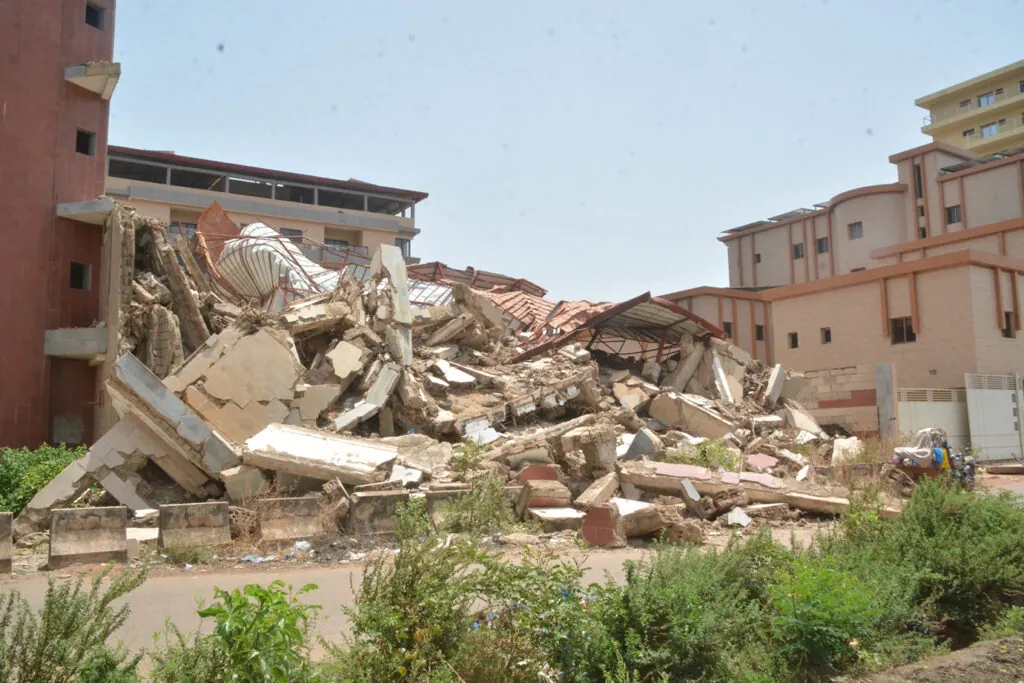
In Bamako, Mali's capital, several unfinished buildings have become the subject of local legend and speculation. The "Djinè ka étagi" building in the Hippodrome neighborhood has stood incomplete for decades, with some claiming it was cursed. Similarly, the Borj building in ACI 2000 has sparked comments and curiosity. These structures have become a part of the city's folklore, but they also raise important questions about their ownership, safety, and potential for completion or redevelopment.
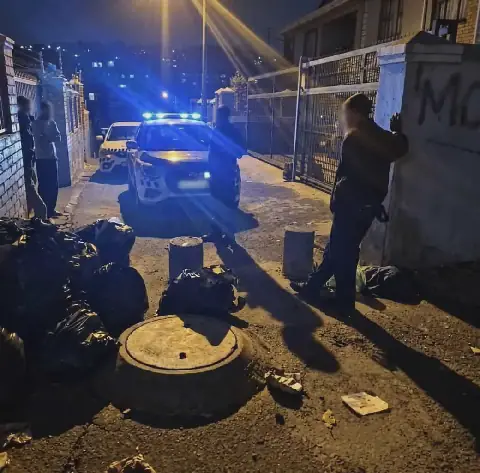
The issue of abandoned buildings in Bamako goes beyond mere curiosity, as these structures can pose risks to the community. They can become refuges for illicit activities, dumping grounds for waste, or even hideouts for criminals. Moreover, the passage of time can cause significant damage to the buildings themselves, compromising their structural integrity. The Mariétou Palace, now known as the Afriqiyah Hôtel, is a case in point, having changed hands several times since its construction began, with periods of work followed by lengthy delays.
Experts and authorities agree that a comprehensive approach is needed to address the issue of abandoned buildings in Bamako. This involves identifying and cataloging these structures, clarifying their legal and property status, and assessing their safety. For each building, a realistic plan should be developed, whether it involves completion, conversion, or demolition. The goal is to prevent these buildings from becoming a burden on the city and to give them a clear future.
The Malian government and local authorities have a crucial role to play in resolving the issue of abandoned buildings. By taking a proactive and transparent approach, they can help to alleviate concerns about safety and urban development. This may involve working with property owners, investors, and the local community to find solutions that benefit everyone.
In 2007, the Mariétou Palace was purchased by Libyan investors and renamed the Afriqiyah Hôtel. However, the building's history of delays and changes in ownership has contributed to the perception that abandoned buildings in Bamako are a magnet for rumors and speculation. By addressing the root causes of these problems, authorities can help to restore confidence in the city's development.
The issue of abandoned buildings in Bamako highlights the need for effective urban planning and management. By prioritizing the identification and resolution of these issues, the city can move forward and realize its potential. This involves not only addressing the physical structures but also engaging with the local community and stakeholders to ensure that solutions are inclusive and sustainable.
Ultimately, Bamako's abandoned buildings serve as a reminder that a city's development is not just about constructing new infrastructure but also about maintaining and repurposing existing structures. By taking a proactive and comprehensive approach, the city can turn these buildings into assets rather than liabilities, and create a brighter future for its residents.
Key points
- Authorities must identify and catalog abandoned buildings in Bamako to address safety and urban development concerns.
- A comprehensive approach is needed to resolve the issue of abandoned buildings, involving clarification of their legal and property status, safety assessments, and development of realistic plans.
- The Malian government and local authorities have a crucial role to play in resolving the issue of abandoned buildings and restoring confidence in the city's development.