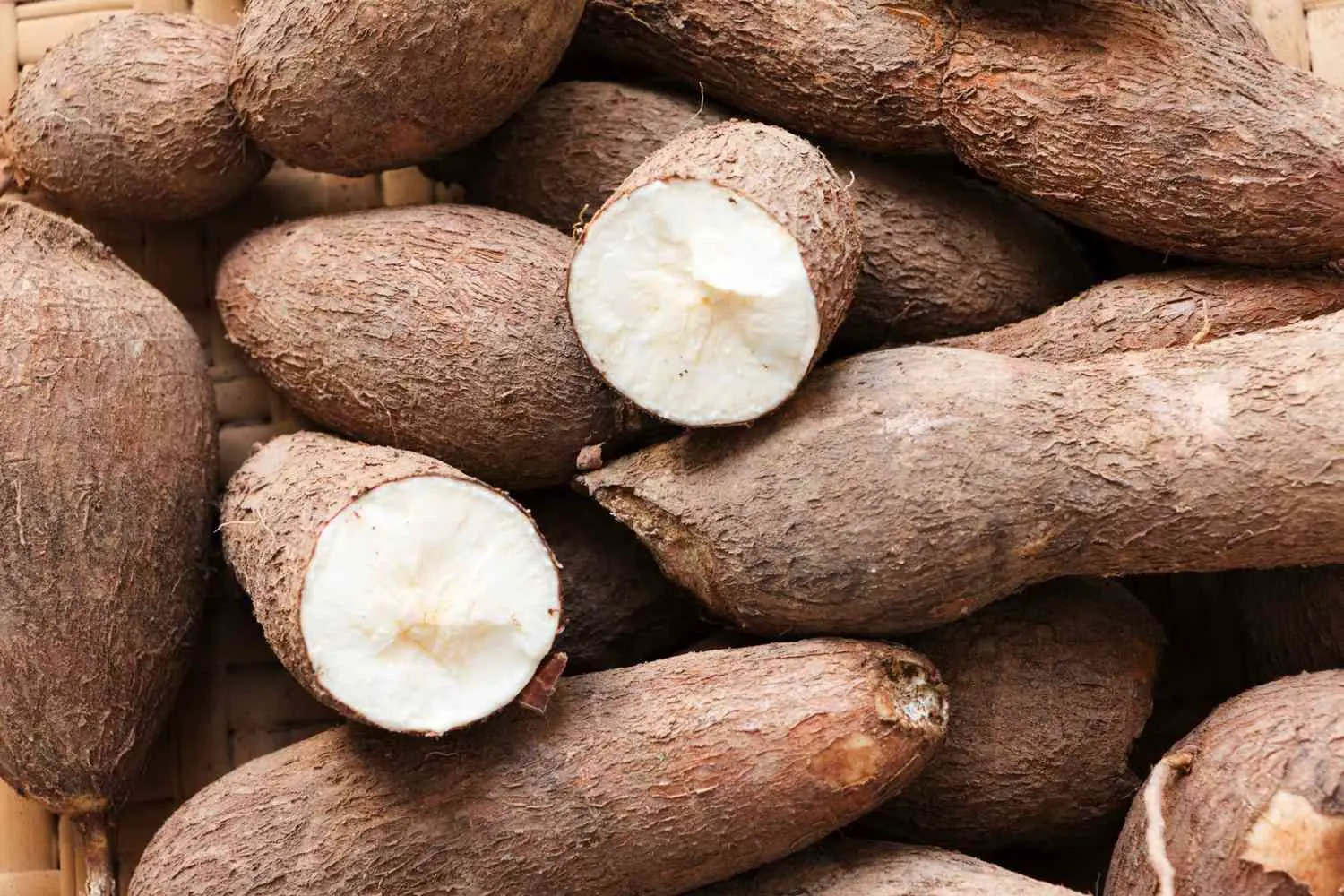
Cassava, a staple food in Ghana, contains naturally occurring cyanogenic glycosides that can release hydrogen cyanide when broken down. While proper processing can greatly reduce these compounds, inadequately processed cassava can cause significant cyanide exposure and acute poisoning. The World Health Organization recognizes improperly prepared cassava as a potential source of acute cyanide toxicity. According to experts, cassava is not inherently poisonous, but its processing plays a crucial role in reducing cyanogenic compounds.
Different cassava varieties contain varying levels of cyanogenic compounds, with some bitter varieties containing much higher levels. Processing methods, including peeling, grating, soaking, fermentation, pressing, washing, drying, boiling, roasting, or other heating methods, help reduce cyanogenic compounds before consumption. For instance, traditional gari production involves grating, fermentation, pressing, and sieving before frying or roasting, which contributes to reducing cyanogenic compounds. Therefore, shortening or skipping important processing stages, particularly when high-cyanogenic cassava is used, can increase the risk of cyanide exposure.
Acute cyanide poisoning can develop rapidly, with symptoms including dizziness, headache, confusion, nausea, vomiting, abdominal pain, diarrhea, rapid breathing, weakness, difficulty breathing, and seizures. Severe poisoning can lead to collapse, coma, and death. Cyanide interferes with the body's ability to use oxygen for cellular energy production. If several people become suddenly ill after eating the same cassava-based food, particularly with severe weakness, confusion, breathing difficulty, or collapse, urgent medical attention is required.
Cassava-related illness is not limited to acute poisoning. Prolonged dietary reliance on inadequately processed cyanogenic cassava has been consistently associated with konzo, a neurological disease characterized by sudden-onset, symmetrical spastic weakness of the legs. In severe cases, the arms may also be affected. The neurological impairment is typically permanent and non-progressive, leaving affected people with lifelong disability. Konzo has been associated with heavy reliance on inadequately processed cassava, food insecurity, and nutritional vulnerability.
The exact biological mechanism of konzo remains incompletely understood. However, eating one plate of fufu, gari, or konkonte does not automatically cause konzo. The evidence concerns sustained exposure in particular circumstances, especially where high-cyanogenic cassava is inadequately processed and forms a major part of the diet. Food insecurity, droughts, or other difficult conditions can increase the risk when people rely more heavily on cassava or shorten traditional processing methods.
The solution is not to fear cassava but to respect its processing. Cassava should undergo the appropriate processing for the food being prepared, and essential steps should not be shortened simply to save time. Households should also maintain dietary diversity by including protein-rich foods, vegetables, fruits, and other nutritious foods where available. By taking these precautions, Ghanaians can continue to enjoy cassava as a staple food while minimizing the risks associated with its consumption.
In conclusion, cassava has fed generations of Ghanaians and remains important for food, livelihoods, and food security. The message is simple: cassava does not need to be feared, but it needs to be properly processed. The important question is not simply, "Is this cassava?" but, "Was this cassava properly processed?" By prioritizing proper processing and handling, Ghanaians can enjoy cassava while minimizing the risks of cyanide poisoning and konzo.
Key points
- Proper processing of cassava is crucial to reduce cyanogenic compounds and prevent cyanide poisoning and konzo.
- Konzo is a neurological disease caused by prolonged dietary reliance on inadequately processed cyanogenic cassava.
- Maintaining dietary diversity and proper processing of cassava can minimize the risks associated with its consumption.