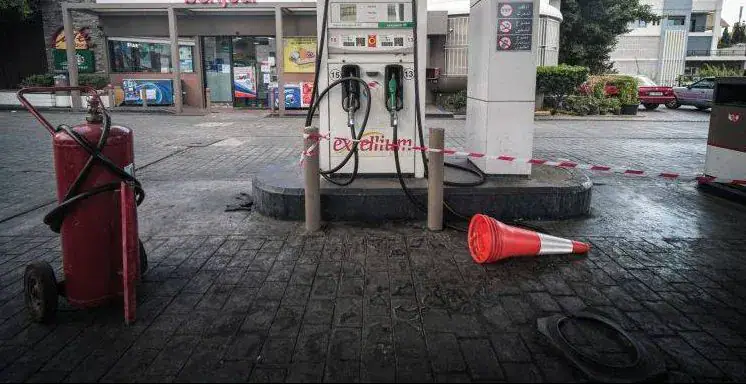
The ongoing global energy crisis has led to a significant increase in fuel prices in Morocco. The country's reliance on imported petroleum products makes it vulnerable to fluctuations in international markets. As tensions escalate in the Middle East and other regions, Morocco is feeling the effects of rising energy costs. The situation is complex, involving various factors such as supply and demand, shipping costs, and insurance premiums.
The crisis began with disruptions in the Strait of Hormuz, a critical passage for oil and gas shipments. Recent attacks on Russian oil facilities and Ukraine's subsequent impact on diesel production have further exacerbated the issue. China's restrictions on petroleum product exports have also contributed to the global shortage. These events have resulted in a substantial increase in shipping costs, with the price of chartering a large oil tanker rising from $9.2 million in 2025 to $77 million in October 2026.
The Organization of the Petroleum Exporting Countries (OPEC) has warned about the alarming levels of shipping and insurance costs. In some cases, these costs have exceeded one-third of the value of the transported goods. This surge in expenses has been passed on to consumers, contributing to higher fuel prices worldwide. Morocco, being a significant importer of petroleum products, is particularly affected by these changes.
The country's economy is closely tied to global energy markets, with a substantial portion of its imports consisting of petroleum products. According to the International Monetary Fund, in 2023 and 2024, approximately a quarter of Morocco's petroleum product imports came from Gulf Cooperation Council countries. Any disruptions in these regions can have a direct impact on Morocco's energy supplies and prices.
The effects of the global energy crisis are being felt across various sectors in Morocco. The transportation industry, which relies heavily on diesel and gasoline, is experiencing increased costs. This, in turn, may lead to higher prices for goods and services. The government has previously implemented measures to mitigate the impact of rising fuel prices on the economy, including support for transportation professionals.
It is essential to note that Moroccan fuel companies are not the primary cause of the current crisis. The situation is a result of complex global factors, including geopolitical tensions, supply chain disruptions, and fluctuations in international energy markets. The companies are simply responding to the changing market conditions.
As the global energy landscape continues to evolve, Morocco will likely face ongoing challenges in managing its energy costs. The country's ability to adapt to these changes and find sustainable solutions will be crucial in mitigating the impact of the crisis on its economy and citizens. The government and other stakeholders will need to work together to address the issue and ensure a stable energy supply.
Key points
- The global energy crisis has led to a significant increase in fuel prices in Morocco, primarily due to the country's reliance on imported petroleum products and its exposure to international market fluctuations.
- The crisis is attributed to various factors, including geopolitical tensions, supply chain disruptions, and rising shipping costs, rather than the actions of Moroccan fuel companies.
- The impact of the crisis is being felt across various sectors in Morocco, including transportation, industry, and services, and may lead to higher prices for goods and services.