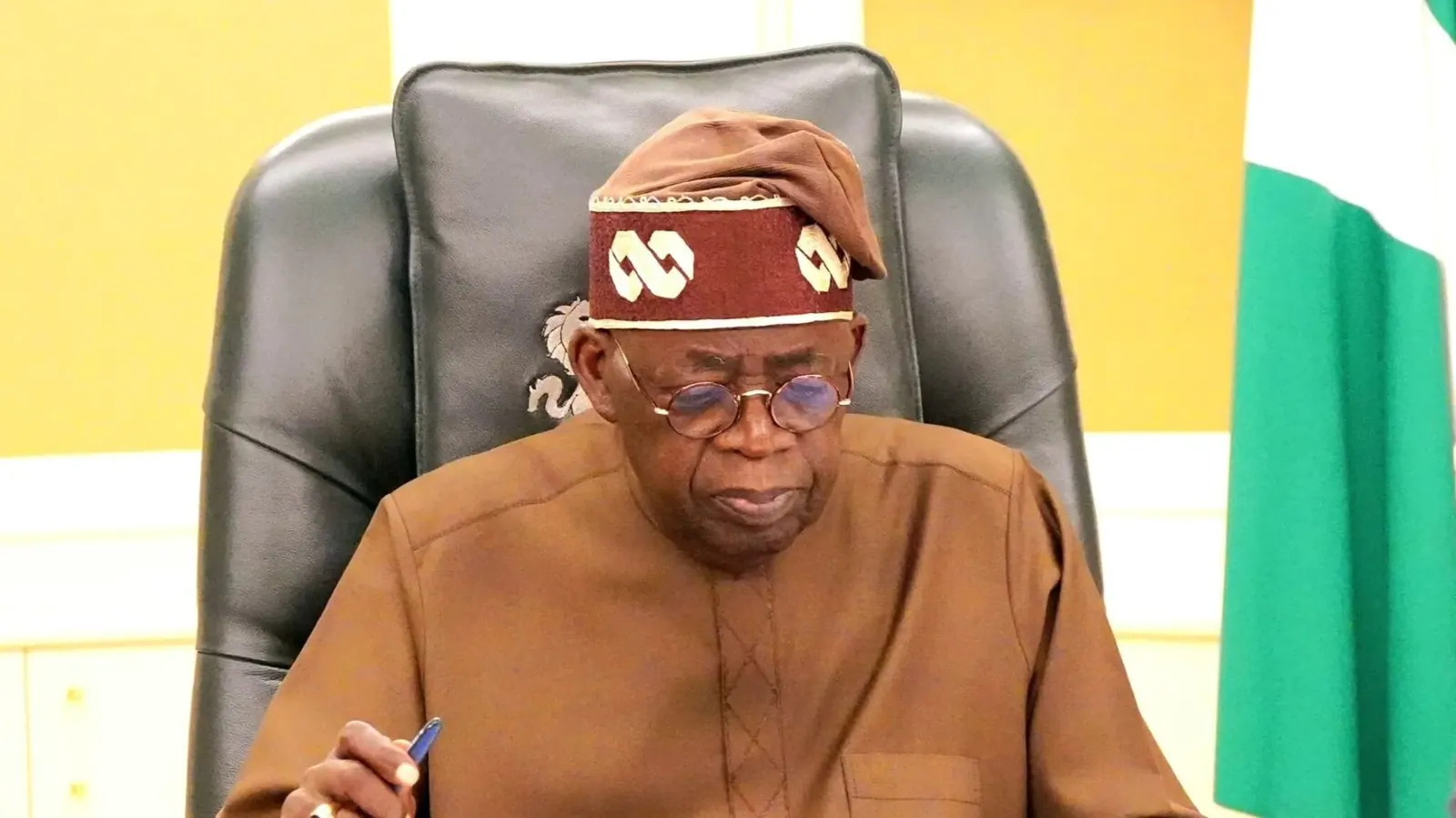
The Nigerian government has launched a $3.05 billion anti-poverty scheme aimed at reducing poverty and improving living standards for its citizens. The scheme, unveiled by President Bola Tinubu on July 16, 2026, comprises five coordinated social and development programmes. The programmes are designed to accelerate poverty reduction, strengthen community resilience, and deepen investment in Nigeria's human capital. The initiative has been met with a mix of excitement and skepticism, given the country's history of failed interventions.
The five programmes under the scheme include the Nigeria Community Action for Resilience and Economic Stimulus Additional Financing (NG-CARES), Solutions for Internally Displaced Persons and Host Communities (SOLID) initiative, and the three-pronged Human Capital Opportunity for Prosperity and Equity (HOPE) package. NG-CARES will receive $1.25 billion in additional World Bank financing to support smallholder farmers and small businesses. The SOLID initiative will be backed by $300 million to bridge humanitarian relief and development for internally displaced persons and their host communities.
The HOPE package, valued at $1.05 billion, will strengthen governance, primary healthcare, foundational learning, teacher support, and public education. According to President Tinubu, the initiative is designed to translate recent microeconomic gains into tangible improvements in the lives of Nigerians across wards and local governments. The breakdown of monetary allocations shows that the programmes will be implemented in a coordinated manner to achieve the desired objectives.
Despite the government's intentions, there is a need for clarity on the specific expectations of the programme. Nigerians want to know what concrete actions will be taken to address poverty and improve living standards. The finance minister should provide more information on the recent microeconomic gains and how they will be translated into palpable improvements in the lives of the people. Additionally, the government needs to provide answers on how the programme will make education and healthcare more accessible to poor parents and vulnerable communities.
The programme's success will also depend on addressing the issue of safety and security in the country. With terrorism and kidnapping on the rise, it is challenging for farmers to go to farm and for traders to move their goods freely. The government needs to create a stable and secure environment for Nigerians to thrive in their means of livelihood. This includes providing a stable power supply to support small businesses and industries.
The anti-poverty scheme is also expected to support 500,000 teachers and improve access to medicines and equipment at upgraded primary healthcare centres. However, the government needs to provide more information on how these initiatives will be implemented and what specific expectations Nigerians should have. The programme's success will depend on its ability to address the root causes of poverty and unemployment in the country.
The government has been urged to prioritize creating and sustaining the right environment for Nigerians to use their talents and energy to create wealth for themselves. This includes addressing the issue of unemployment, which is at an unprecedented high in the country. The poverty reduction programme should be complemented by efforts to promote economic growth, stability, and security.
Key points
- The Nigerian government has launched a $3.05 billion anti-poverty scheme to reduce poverty and improve living standards for its citizens.
- The scheme comprises five coordinated social and development programmes designed to accelerate poverty reduction, strengthen community resilience, and deepen investment in Nigeria's human capital.
- The programme's success will depend on its ability to address the root causes of poverty and unemployment in the country, and create a stable and secure environment for Nigerians to thrive in their means of livelihood.