The International Labour Organization (ILO) has called on the Tanzanian government to collaborate with the private sector in establishing sustainable funding strategies for youth skills development programmes. This advice aims to ensure the continuity of achievements made under the Global Skills Programme (GSP) beyond the end of funding from the government of Norway. The programme has yielded significant results, and the ILO is keen on ensuring its sustainability.
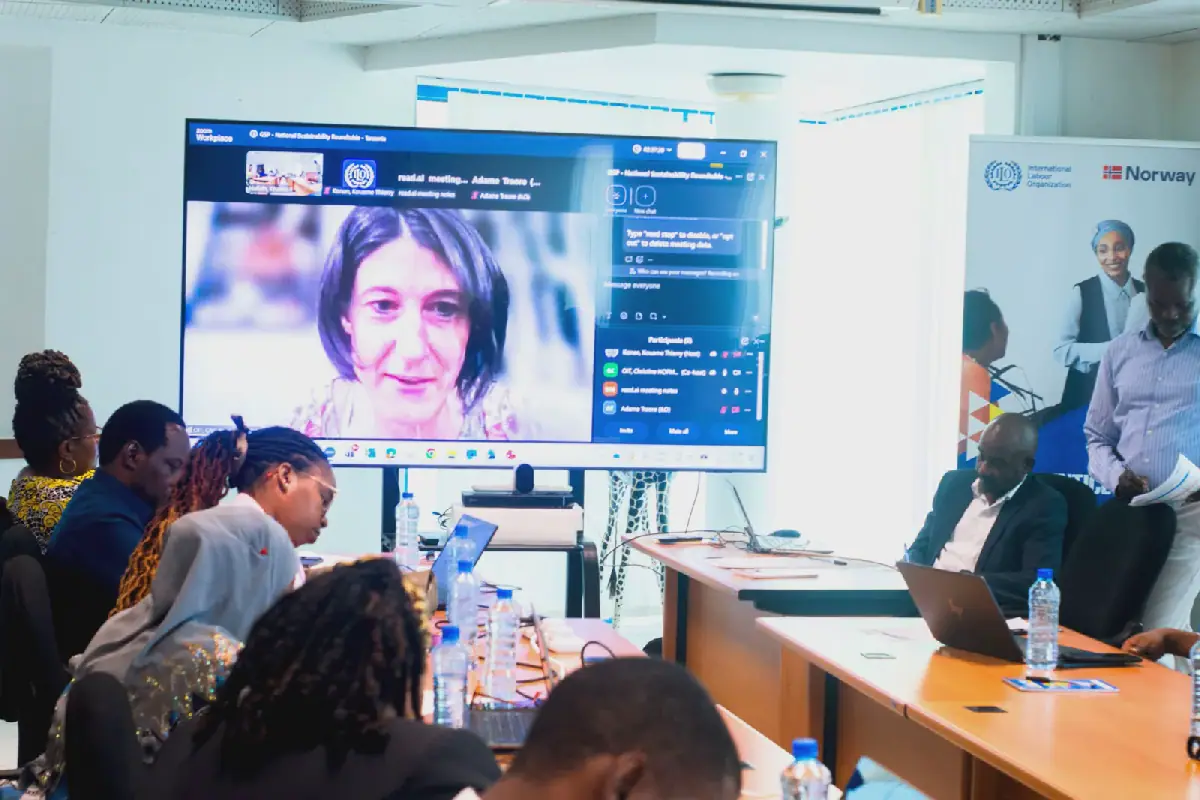
Speaking on behalf of ILO Regional Director for East Africa, Caroline Mugalla, Employment Specialist Annamarie Kiaga emphasized the importance of integrating the programmes into government plans and institutional budgets. This integration will ensure the long-term sustainability of the programmes. Kiaga made these remarks in Dar es Salaam during a national meeting convened to discuss the sustainability and continuation of results achieved through the Global Skills Programme.
The Global Skills Programme has benefited 87,749 young people in Tanzania Mainland and Zanzibar, including 48,216 men and 39,533 women, through apprenticeship training. Additionally, over 25,000 people who acquired skills through informal learning pathways have undergone assessment and certification through the Recognition of Prior Learning (RPL) system. This system enables their existing skills and experience to gain formal recognition.
Kiaga stressed that the achievements of the programme should serve as a foundation for expanding training and employment opportunities for young people. This includes those seeking to turn their artistic abilities and talents into economic opportunities. She also highlighted the importance of improving the quality of training to ensure that the skills acquired are aligned with the actual demands of the labour market.
The ILO has emphasized the need to strengthen collaboration among the government, employers, workers, and training institutions. This collaboration is crucial in ensuring the sustainability of the programmes. Kiaga called for permanent funding and monitoring mechanisms to ensure that the programmes continue benefiting young people even after development partners' financial support comes to an end.
The national meeting brought together government representatives, employers, workers, training institutions, and development partners to discuss strategies for protecting, sustaining, and expanding the achievements of the programme. The Global Skills Programme was implemented with funding from the government of Norway through its development agency, NORAD, with the aim of strengthening young people's skills and improving their access to employment opportunities.
The programme's sustainability is crucial in ensuring that young people in Tanzania continue to benefit from skills development and employment opportunities. The ILO's call for sustainable funding strategies is a timely intervention, as it will enable the government to explore alternative funding sources and ensure the programme's continuity beyond Norway's funding.
Key points
- ILO advises Tanzania to integrate youth skills development programmes into government plans and institutional budgets for long-term sustainability.
- The Global Skills Programme has benefited 87,749 young people in Tanzania through apprenticeship training and informal learning pathways.
- ILO emphasizes the need for permanent funding and monitoring mechanisms to ensure programme continuity beyond development partners' financial support.