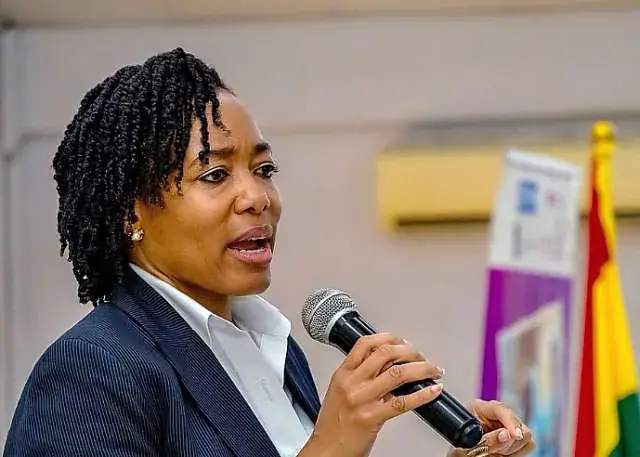
Dr. Zanetor Agyeman-Rawlings, Minister of Environment, Science, and Technology, has raised concerns that the escalating illegal mining activities in Ghana are threatening the country's diplomatic relations with its immediate neighbours in the West Africa sub-region. The minister stated that the continued pollution of shared river systems by illegal mining activities in Ghana had been of grave concern to Ghana's neighbours.
The contamination of critical trans-boundary rivers, such as the Tano and Bia, could cause toxic waters to spill across Ghana's borders into Côte d'Ivoire, elevating illegal mining from an environmental crisis to a severe threat to regional diplomacy and national security. Dr. Agyeman-Rawlings stressed that the situation demanded immediate, coordinated action from the government, traditional leaders, security agencies, and local communities to address the illegal mining menace.
Addressing a national conference on small-scale mining for Metropolitan, Municipal, and District Chief Executives (MMDCEs) in Kumasi, Dr. Agyeman-Rawlings noted that illegal mining was fueling broader security crises. She warned that illicit proceeds from these activities were allegedly being used to finance violent extremism and terrorism in parts of the Sahel region.
According to Dr. Agyeman-Rawlings, Ghana cannot afford to let complacency or silence render the nation complicit in activities that jeopardized security across the sub-region. The minister also warned that the destruction of forests and the toxic pollution of water bodies were severely undermining the country’s food security and exposing future generations to grave health hazards.
Dr. Agyeman-Rawlings emphasized that Ghana must not prioritize gold production at the catastrophic expense of agriculture, water security, and other vital economic sectors. The minister cautioned that impending weather anomalies, compounded by the escalating impacts of climate change, could severely exacerbate the nation’s environmental challenges, particularly as rainfall patterns become increasingly erratic and temperatures rise.
Citing scientific evidence, Dr. Agyeman-Rawlings pointed to research on the Odaw River in the Ashanti Region, which underscored the severe pollution driven by illicit mining activities. She also referenced assessments by the Environmental Protection Agency (EPA) and its partners, which identified hazardous levels of toxic heavy metals in mining-impacted environments.
Dr. Agyeman-Rawlings identified MMDCEs as pivotal frontline actors in the fight against illegal mining, asserting that this battle cannot be won through centralized directives from Accra alone. The Minister of Lands and Natural Resources, Mr Armah Kofi Buah, also noted that the government is implementing sweeping reforms in the mining sector to help decentralized licensing regimes to strengthen community participation and effectively address illegal mining activities.
Key points
- The escalating illegal mining activities in Ghana pose a severe threat to regional diplomacy and national security.
- The contamination of trans-boundary rivers could cause toxic waters to spill across Ghana's borders into Côte d'Ivoire.
- The government is implementing reforms in the mining sector to address illegal mining activities.