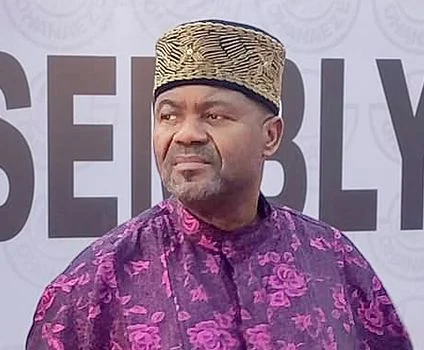
The President-General of Ohanaeze Ndigbo Worldwide, Senator John Azuta-Mbata, has expressed concern that Ndigbo have yet to fully achieve their collective potential despite their individual brilliance, enterprise, and resilience. He made this statement during the Igbo Day Lecture and Dinner organised by Ohanaeze Ndigbo Worldwide in Umuahia, Abia State. The event had the theme “The Igbo Charter and Development of Ala Igbo.” Azuta-Mbata emphasized the need for a unified development strategy to harness the collective strength of Ndigbo.
Azuta-Mbata noted that the Igbo Charter for Strategic Engagement for National Development, written by over 67 Igbo technocrats and business leaders, provides a documented framework for engaging the Nigerian state and the world. The Charter proposes pathways to protect Igbo culture, particularly the Igbo language, and suggests that the Igbo language be made compulsory in primary and secondary schools across Igboland. This, he believes, will help preserve the rich cultural heritage of the Igbo people.
The Ohanaeze Ndigbo Worldwide President-General also called on the Federal Government to find a political solution to the case of detained Biafran leader, Nnamdi Kanu. He stressed the importance of unity and collective effort in achieving the goals outlined in the Igbo Charter. Azuta-Mbata urged Ndigbo to work together to develop Ala Igbo, saying that this can be achieved through a non-partisan approach driven by merit, accountability, and measurable targets.
Earlier, the Chairman of the occasion, Onyema Ugochukwu, called on Ndigbo to work together to develop Ala Igbo. He emphasized the need for Ndigbo to look forward to building a brighter future, moving beyond complaining about those who won’t give them their due, to taking their destiny in their own hands. Ugochukwu’s remarks were echoed by the Abia State Governor, Alex Otti, who said his administration is repositioning the state from conventional trading to digital commerce.
Governor Otti stressed that the future of global business lies in technology and digital delivery. He highlighted the need for Abia State to adapt to these changes to remain competitive. Otti’s administration has been working to promote economic growth and development in the state, and he sees the Igbo Charter as a valuable roadmap for achieving these goals.
In his keynote address, presented virtually, the Chairman, Igbo Charter Committee for Strategic Engagement for National Development, Prof Kingsley Moghalu, emphasized the need to separate the Igbo Charter from party politics. He believes that the Charter should serve as a non-partisan roadmap for development, driven by merit, accountability, and measurable targets. Moghalu’s remarks underscored the importance of a collective and inclusive approach to achieving the goals outlined in the Charter.
The Igbo Day Lecture and Dinner was attended by various stakeholders, including politicians, business leaders, and traditional rulers. The event provided a platform for Ndigbo to discuss their collective potential and how to harness it for the development of Ala Igbo. The Ohanaeze Ndigbo Worldwide is committed to promoting the Igbo Charter and working towards the realization of its goals.
Key points
- Despite individual brilliance, Ndigbo have not achieved collective potential.
- The Igbo Charter provides a framework for engaging the Nigerian state and the world.
- Ohanaeze Ndigbo Worldwide calls for a unified development strategy to harness collective strength.