The International Fund for Agricultural Development (IFAD) has emphasised the need for stronger ties between governments and farmer organisations to achieve sustainable rural development in Africa. At the Eastern and Southern Africa Farmers' Forum in Nairobi, IFAD officials stressed that governments must play a central role in discussions with development agencies and farmer organisations. This, they argue, is crucial for translating investments into meaningful impact. The forum, which ran from 29 September to 2 October, brought together farmer organisations, IFAD, and other stakeholders to shape regional rural development priorities.
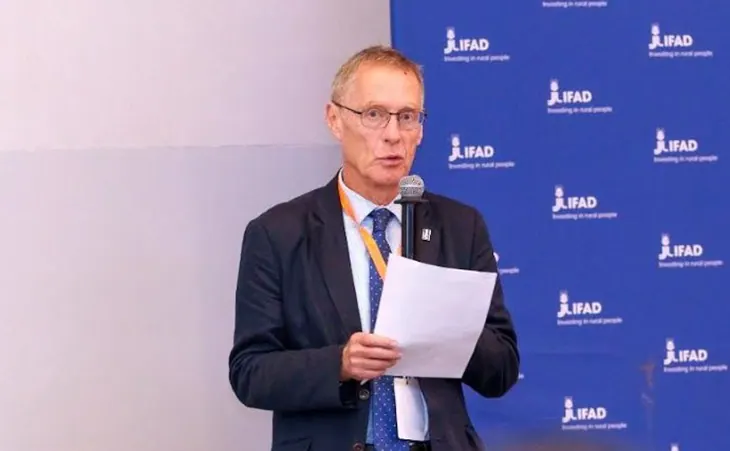
IFAD Associate Vice-President for Country Operations Donal Brown highlighted the significance of government involvement, noting that roughly 95 percent of the Fund's resources flow through government channels. He warned that development partners should move away from fragmented, short-term projects toward shared priorities and longer-term interventions. According to Brown, meaningful transformation cannot be confined to typical five- or ten-year cycles. He also called for earlier engagement of farmer organisations and development partners in planning, so that common priorities can be set before projects are designed and funded.
The Eastern Africa Farmers Federation (EAFF) President Elizabeth Nsimadala urged that national farmer organisations be formally incorporated into Country Strategic Opportunities Programmes (COSOPs), which guide IFAD-supported activities at the country level. Nsimadala highlighted that EAFF represents more than 25 million smallholder farmers and possesses extensive grassroots networks capable of delivering IFAD programmes across sub-national to continental levels. She emphasised the federation's readiness to work with IFAD as an equal partner, focusing on markets, rural development, resilience, youth, women, and climate-related challenges.
Both IFAD and EAFF are drafting a formal partnership that will include an action plan, specific deliverables, and regular monitoring. An evaluation of the partnership is slated for the Global Farmers Forum in Rome in 2028. This partnership aims to strengthen farmer organisations' contribution to rural development and ensure that IFAD's investments have a lasting impact. The collaboration will also focus on addressing the challenges faced by smallholder farmers, including climate change, limited access to markets, and inadequate infrastructure.
The Nairobi Regional Farmers' Forum was attended by various stakeholders, including farmer organisations, government representatives, and development agencies. The forum provided a platform for participants to share experiences, discuss challenges, and identify opportunities for collaboration. IFAD's call for stronger government-farmer ties was echoed by many participants, who recognised the importance of partnerships in achieving sustainable rural development.
The Eastern and Southern Africa region faces significant development challenges, including high levels of poverty, inequality, and environmental degradation. IFAD's efforts to strengthen farmer organisations and promote partnerships with governments aim to address these challenges and improve the livelihoods of rural communities. By working together, IFAD, governments, and farmer organisations can leverage resources, expertise, and knowledge to achieve greater impact and sustainability.
The outcome of the Nairobi Regional Farmers' Forum is expected to inform IFAD's future programming and partnerships in the region. The forum's recommendations will also be shared with governments, farmer organisations, and other stakeholders to promote a more coordinated and effective approach to rural development. Key to this effort is the recognition that sustainable development requires collaboration, mutual respect, and a deep understanding of the needs and priorities of rural communities.
Key points
- IFAD officials stress the need for governments to play a central role in discussions with development agencies and farmer organisations to achieve sustainable rural development.
- The Eastern Africa Farmers Federation urges that national farmer organisations be formally incorporated into Country Strategic Opportunities Programmes (COSOPs) to guide IFAD-supported activities.
- IFAD and EAFF are drafting a formal partnership to strengthen farmer organisations' contribution to rural development and ensure that IFAD's investments have a lasting impact.