The Electoral Commission of South Africa (IEC) has explained the processes that follow the conclusion of voting in Wednesday's municipal elections. According to IEC chief electoral officer Sy Mamabolo, all ballot papers will be counted at the voting stations where they were cast, in the presence of party agents, independent candidate agents and accredited observers. This process aims to ensure transparency and integrity in the electoral process. The counting of ballots is a critical step towards determining the composition of municipal councils across the country.
The counting process involves opening sealed ballot boxes and checking the ballot papers for the IEC's security stamp. The ballot papers are then sorted and counted according to different electoral contests, including the proportional representation (PR) ballot, the ward candidate ballot, and the district council PR ballot, where applicable. After the count, the results for each contest are reconciled against the number of ballot papers received, issued, unused, spoilt, and counted at each voting station. This meticulous process ensures the accuracy of the results.
Once the counting and tallying are completed, results slips are completed in duplicate, signed by the presiding officer, and countersigned by political party agents. These signed slips are displayed at the voting station, and party agents are allowed to photograph them. The results are then scanned and captured at the local IEC office for verification and independent external auditing. This multi-step process is designed to ensure the integrity and transparency of the results.
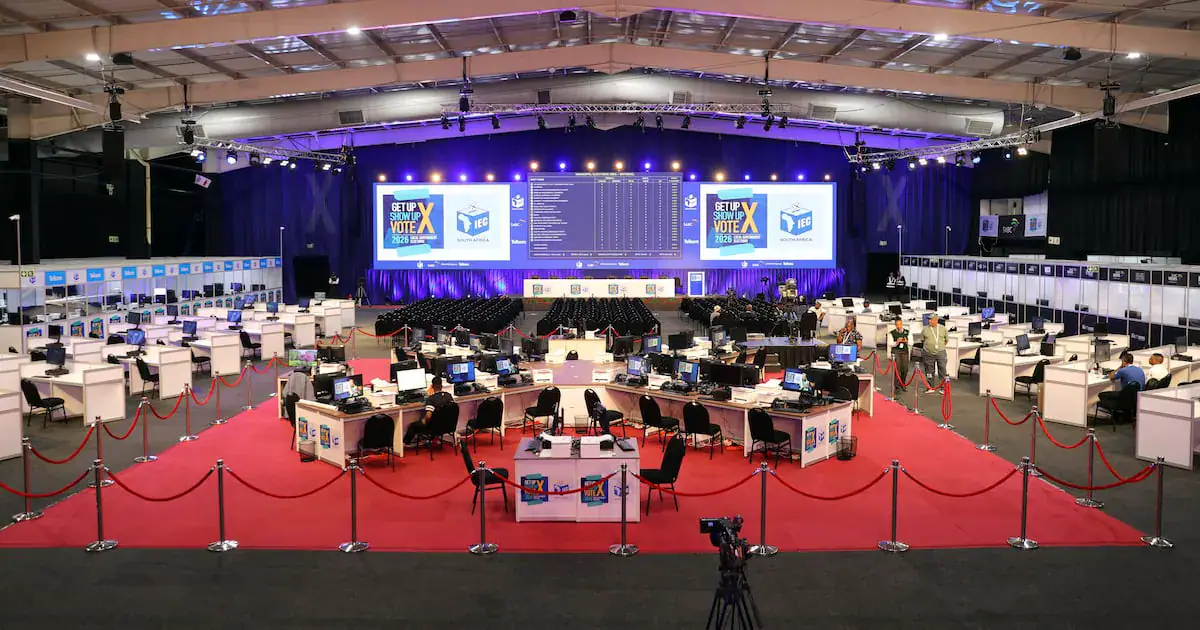
The IEC's results operations centres provide political parties, independent candidates, observers, and the media with an opportunity to monitor the capturing, verification, and processing of results. This move is intended to strengthen transparency and safeguard the integrity of the electoral process. By allowing stakeholders to monitor the process, the IEC aims to build trust in the outcome of the elections.
The IEC has thanked political parties and independent candidates for their participation and engagement throughout the process. The commission expressed its appreciation to voters, election officials, security agencies, observers, the media, and other stakeholders who contributed to the elections. The National Political Liaison Committee, provincial political liaison committees, and local political liaison committees played a crucial role in providing platforms for consultation and resolving issues during the elections.
According to Mamabolo, once counting, capturing, and verification have been completed and outstanding queries resolved, the IEC will declare the final results and announce the allocation of seats in municipal councils within the prescribed seven days. The commission is committed to completing the process within the stipulated timeframe. The declaration of results will bring closure to the municipal elections process.
With voting concluding at 9 pm, attention turns to the counting and verification process as South Africans await the results that will determine the composition of municipal councils across the country. The IEC's transparent and meticulous approach to counting and verification is critical in ensuring that the outcome of the elections reflects the will of the people. The results will have a significant impact on the governance and administration of municipalities in South Africa.
Key points
- The Electoral Commission of South Africa will declare the final results and announce the allocation of seats in municipal councils within seven days.
- The counting and verification process is being conducted in the presence of party agents, independent candidate agents, and accredited observers to ensure transparency.
- The IEC's results operations centres allow stakeholders to monitor the capturing, verification, and processing of results.