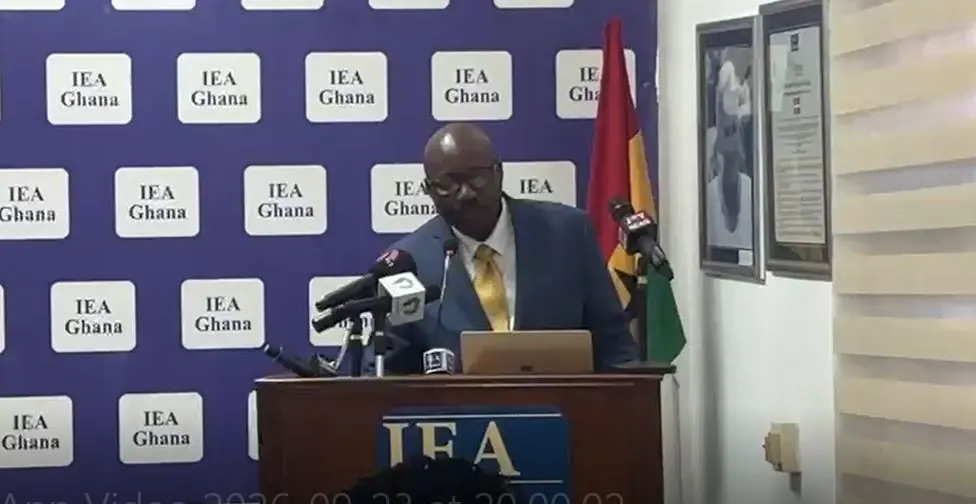
The Institute of Economic Affairs (IEA) in Ghana has expressed concerns about amending the country's 1992 Constitution merely because a certain number of years have elapsed since its inception. According to the IEA, this approach may not be the most effective way to ensure the Constitution remains relevant and functional. The Institute emphasizes the importance of continuously assessing how the Constitution is functioning, rather than focusing solely on the passage of time.
The IEA's comments come amid ongoing discussions about reviewing Ghana's Constitution and proposals for reforms to address identified gaps in the country's governance framework. The Institute's representative stressed that constitutional maintenance should be continuous, even if constitutional amendments are occasional. This approach would allow for a more nuanced evaluation of the Constitution's effectiveness and identify areas that require attention.
The IEA's caution against amending the Constitution based solely on time elapsed is significant, given the current debates about Ghana's governance framework. The Institute's emphasis on continuous assessment rather than fixed intervals for amendments is expected to contribute to a more informed discussion about the country's constitutional review process. This process aims to address gaps in the current framework and ensure it remains effective in governing the country.
Ghana's 1992 Constitution has been in place for over three decades, and there have been calls for its review to address emerging challenges and gaps in the governance framework. The IEA's comments are likely to influence the ongoing discussions about the review process and the potential for amendments to the Constitution. The Institute's focus on ensuring the Constitution continues to function effectively is expected to be a key consideration in the review process.
The IEA's warning against amending the Constitution simply because years have passed is not the only voice in the ongoing debate about Ghana's governance framework. Other stakeholders, including civil society organizations and political parties, have also contributed to the discussion. The Constitution Review Implementation Committee has been established to oversee the review process and ensure that all stakeholders are engaged.
The review of Ghana's Constitution is expected to be a comprehensive process that takes into account the views of various stakeholders. The IEA's emphasis on continuous assessment and effective functioning of the Constitution is likely to be a key consideration in the review process. The process aims to ensure that the Constitution remains relevant and effective in governing the country.
The Institute of Economic Affairs (IEA) is a think tank that focuses on promoting good governance and economic development in Ghana. The Institute's comments on the Constitution review process reflect its commitment to ensuring that Ghana's governance framework is effective and responsive to the needs of its citizens.
Key points
- The IEA cautions against amending Ghana's Constitution simply because years have passed.
- The Institute emphasizes the importance of continuously assessing how the Constitution is functioning.
- The review of Ghana's Constitution aims to address gaps in the country's governance framework and ensure it remains effective.