The International Energy Agency (IEA) has released its World Energy Outlook 2026, which examines the possibility of reducing the world's reliance on the Strait of Hormuz for oil. Currently, the strait handles about 20 million barrels of oil a day, but the IEA believes this could be cut to fewer than 2 million barrels by 2035. This would require Gulf states to build new pipelines, producers elsewhere to pump more oil, and importing countries to use less.
According to the IEA's executive director, Fatih Birol, confidence in the shipping route through the Strait of Hormuz "has been shattered now". In response, Saudi Arabia and the United Arab Emirates are expanding pipelines that give their oil another route to market. Iraq and Kuwait are also examining alternatives. The IEA estimates that the cost of the pipeline projects under construction or consideration is around $40 billion, and together they could carry an additional 7 million barrels a day.
Even with a significant reduction in oil passing through the Strait of Hormuz, the Middle East would remain the world's largest oil-exporting region. The IEA's analysis suggests that 8.5 million barrels a day would still need to pass through the strait in 2030. To reduce reliance on fuel shipments, countries can promote the use of electricity to power vehicles and industrial equipment. The IEA notes that 25 countries have announced policies to expand electricity use since February.
The increased focus on electricity is reflected in the rising demand for solar panels and batteries, particularly in parts of Africa and Asia. In 2025, electricity supplied 23 per cent of the energy used worldwide, and this share is expected to approach 30 per cent by 2035 in two of the IEA's main scenarios. To meet this demand, utilities would need to build at least 25 million kilometres of power lines over the next decade and replace or upgrade another 15 million kilometres.
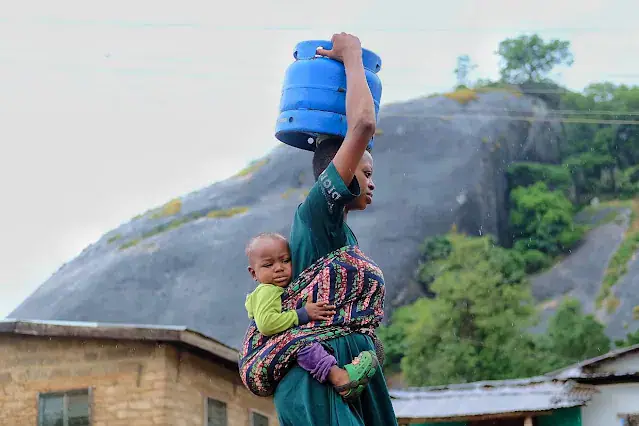
The IEA also highlights the challenges faced by households that rely on liquefied petroleum gas (LPG) for cooking. Higher prices for LPG have slowed the move away from wood fires, and some families who had bought gas stoves may start using wood alongside gas again. In Nigeria, for example, the 2024 Demographic and Health Survey found that 30 per cent of households used clean fuels for cooking, but this figure varied widely between urban and rural areas.
The use of clean cooking fuels is a significant public health issue, particularly in Africa. At a July summit on clean cooking in Africa, participants linked polluting cooking methods to around 850,000 premature deaths a year across the continent. The World Health Organization notes that women and children bear the greatest health burden from exposure to household smoke.
The IEA's World Energy Outlook 2026 provides a comprehensive analysis of the global energy landscape and the challenges ahead. The agency's proposals for reducing reliance on the Strait of Hormuz and promoting clean cooking fuels are critical to addressing these challenges. As the world transitions to a more sustainable energy future, the IEA's recommendations will be closely watched by governments, industry leaders, and consumers alike.
Key points
- The IEA proposes that Gulf states build new pipelines, producers elsewhere pump more oil, and importing countries use less to reduce reliance on the Strait of Hormuz.
Reporting sources
- IEA maps how oil could bypass Hormuz · Prime 9ja Online