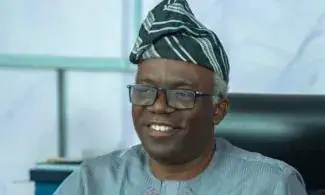
Human rights lawyer Femi Falana has called on the Nigerian media to challenge political parties and their candidates to present concrete programmes for ending child illiteracy and addressing the out-of-school children crisis in Nigeria. This call comes as the country continues to struggle with a significant number of out-of-school children. According to Falana, the ongoing political campaigns provide an opportunity for journalists to demand commitments from candidates on how they intend to guarantee every Nigerian child's right to free and compulsory basic education.
The issue of child illiteracy and out-of-school children in Nigeria is a pressing concern, with an estimated 20 million children out of school. Despite the country's enormous resources, successive governments have failed to implement laws and court judgments guaranteeing children's access to education. Section 18 of the 1979 and 1999 Constitution state that primary, secondary, university, and adult education shall be guaranteed as and when practicable. However, the implementation of these laws has been lacking.
There are existing laws that provide for free, compulsory, and universal basic education for every child in Nigeria. The Compulsory, Free Basic Education Act and the Child's Right Act guarantee the right to education for all children. The funding of the compulsory basic education programme is supposed to be carried out through a federal block grant and a matching contribution from state governments. However, state governments have ignored the judgments of the Federal High Court and the Ecowas Court, which have upheld the right of every child to education.
The National Commission for Almajiri and Out-of-School Children Education Act, enacted in May 2023, established a commission to address illiteracy and educational exclusion among Almajiri and out-of-school children. However, despite this, the crisis of child illiteracy and out-of-school children in Nigeria persists. The Universal Basic Education Commission (UBEC) recently revealed that about N267 billion in released intervention fund was yet to be utilised, while over N65 billion counterpart funding was yet to be accessed by state governments and the federal capital territory.
Falana has urged the media to challenge all registered political parties and their candidates to bring out their programmes with respect to the actualisation of the right of every Nigerian citizen to education. He noted that the removal of children of school age from the streets in all states of the Federation and the Federal Capital Territory must be carried out without any further delay. The media has a crucial role to play in holding political parties and candidates accountable for their commitments to addressing the out-of-school children crisis.
The issue of child illiteracy and out-of-school children in Nigeria requires urgent attention. The country has ratified the Child Rights Convention, and every state has adopted the Child Right Act and enacted it into the Child's Rights Law. However, the implementation of these laws has been lacking. The government needs to take concrete steps to address the crisis of child illiteracy and out-of-school children in Nigeria.
The Nigerian media has a critical role to play in ensuring that political parties and candidates are held accountable for their commitments to addressing the out-of-school children crisis. By demanding concrete programmes from candidates, the media can help ensure that the issue of child illiteracy and out-of-school children is given the attention it deserves. Ultimately, it is crucial that the government takes urgent action to address this pressing concern and ensure that every Nigerian child has access to free and compulsory basic education.
Key points
- Human rights lawyer Femi Falana calls on Nigerian media to demand commitments from political parties and candidates to address the out-of-school children crisis.