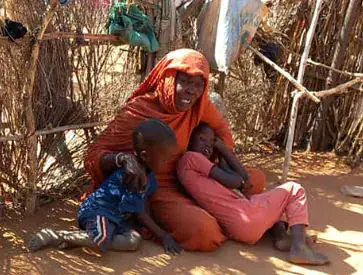
Displaced people in Sudan's Blue Nile region are experiencing dire humanitarian conditions, with severe shortages of food and medicine. The spread of mosquitoes and disease is further exacerbating their living conditions. Many are also calling for urgent educational services and employment opportunities for young people to help them support their families. The situation highlights the need for increased humanitarian assistance to meet their basic needs.
According to Gisma Abdel-Karim, the Blue Nile Humanitarian Aid Commissioner, efforts are underway to provide an immediate response to displaced people. This includes the distribution of food and shelter materials, in coordination with humanitarian organizations. The World Food Programme (WFP) is providing food baskets, while the Adventist Development and Relief Agency (ADRA) is offering cash assistance to displaced households.
Islamic Relief is also distributing hygiene supplies, targeting approximately 10,600 pregnant and breastfeeding women. Other organizations are providing household utensils and essential items. The Humanitarian Aid Commission is working with partners to ensure that assistance is directed towards meeting the actual needs of displaced people. This coordination aims to avoid duplication of efforts and maximize the impact of humanitarian aid.
The total number of people displaced from localities across Blue Nile is approximately 27,400. However, some displaced individuals have expressed concerns that the assistance provided so far is insufficient to meet their basic needs. They are struggling with food shortages, and the spread of mosquitoes and disease is making their living conditions increasingly difficult.
Displaced individuals, such as Al-Radhiya Arbab, a mother of 12 from Kurmuk locality, are calling for medicines to be made available and healthcare services improved. They also implore the authorities to enroll children in school to help them continue their education despite the disruption caused by displacement. These concerns highlight the wide-ranging needs of displaced people in Blue Nile.
A member of one of the displaced people's committees has also emphasized the need for employment opportunities for young people. This would help them support their families and ease the financial pressures they face. The situation underscores the need for continued coordination between the Humanitarian Aid Commission and humanitarian organizations operating in the region.
The humanitarian response in Blue Nile must be expanded to better meet the needs of displaced communities. This requires a sustained effort from humanitarian organizations and the government to provide assistance that goes beyond food and shelter. Key areas of focus include healthcare, education, and livelihood opportunities.
Key points
- Approximately 27,400 people have been displaced across Blue Nile.
- Displaced people are facing severe shortages of food and medicine.
- Humanitarian organizations are providing assistance, including food baskets and cash assistance.