Nigeria has achieved a significant milestone under the watch of Central Bank of Nigeria Governor, Mr. Olayemi Cardoso, with the nation's foreign reserves reaching $55.25 billion, the highest in 18 years. This provides 11.3 months of import cover, a substantial increase from previous years. The Naira has also shown stability, trading at N1,330 to a dollar with a reduced gap of 3.4% between official and parallel markets, down from 60% in 2023.
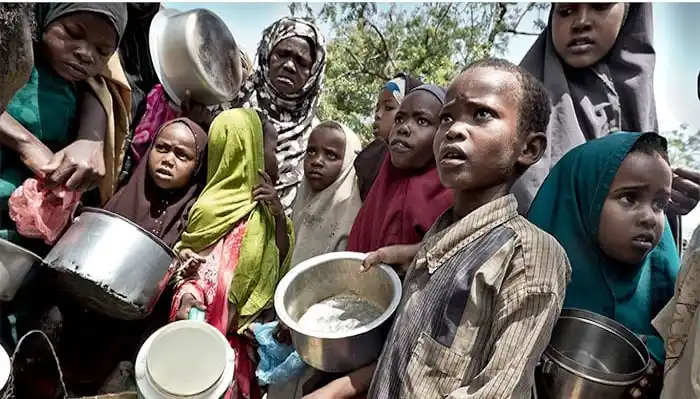
Despite these macroeconomic improvements, Nigerians are still grappling with high living costs. Headline inflation has decreased for three consecutive months to 15.39% in August 2026, and the Central Bank has cut its Monetary Policy Rate from 26.5% to 23%. However, microeconomic relief has not been felt by households and firms. Dr. Muda Yusuf, CEO of the Centre for the Promotion of Private Enterprise (CPPE), noted that revenues, reserves, and exchange rate stability have improved but have not translated into sufficient relief for citizens.
Dr. Yusuf attributed the persistence of hunger and high costs to three main factors: high food inflation at 19.57%, increased petrol prices at N1,400 per liter, and a collapse in purchasing power. Households now spend over 60% of their income on food, transport, electricity, and fuel, up from 45% in 2023. Businesses also face higher input, distribution, and financing costs, even at the reduced Monetary Policy Rate of 23%.
The economist emphasized that stabilization is not transformation, as the focus has been on stopping economic bleeding rather than fostering growth. He cited structural issues such as insecurity, poor infrastructure, and high logistics costs as major challenges. For instance, a farmer in Benue cannot farm due to insecurity and loses 40% of his harvest due to lack of storage.
Financial experts at Cowry Assets Management Limited noted that Nigeria's improved current account surplus, which reached $7.54 billion, is driven largely by oil industry exports. They recommended that the government should focus on diversifying the economy and attracting foreign direct investment in sectors such as gas, refining, agro-processing, and manufacturing.
Economists and financial pundits recommend that the administration must shift from stabilization to a determined productivity agenda. Critical areas of focus include farm-to-market infrastructure, security, power for small and medium-sized enterprises (SMEs), and real price monitoring. The government aims to cut food logistics costs by 50% by deploying CNG trucks, reviving rail freight, and building storage hubs.
Experts stress that addressing structural issues such as insecurity, infrastructure deficits, and high logistics costs is crucial to reducing food inflation and improving living standards. With foreign reserves at $55 billion, providing more power to industrial clusters can cut production costs and support economic growth. The government's focus on these areas can help translate macroeconomic stability into microeconomic relief for Nigerians.
Key points
- Food inflation remains high at 19.57%, contributing to hunger and economic hardship.
- Nigeria's foreign reserves reach $55.25 billion, highest in 18 years.
- Experts recommend a shift from stabilization to a productivity agenda to drive economic growth.