The United Nations Resident Coordinator and Humanitarian Coordinator in South Sudan, Ramanathan Balakrishnan, has urged for increased preparedness to respond to a potential Ebola virus disease outbreak in the country. This call comes after a full-scale simulation exercise was conducted in October 2026 to assess South Sudan's capacity to detect, notify, investigate, and respond to a potential outbreak. The exercise was a collaborative effort between the Ministry of Health, the National Public Health Institute, the World Health Organization, and other partners.
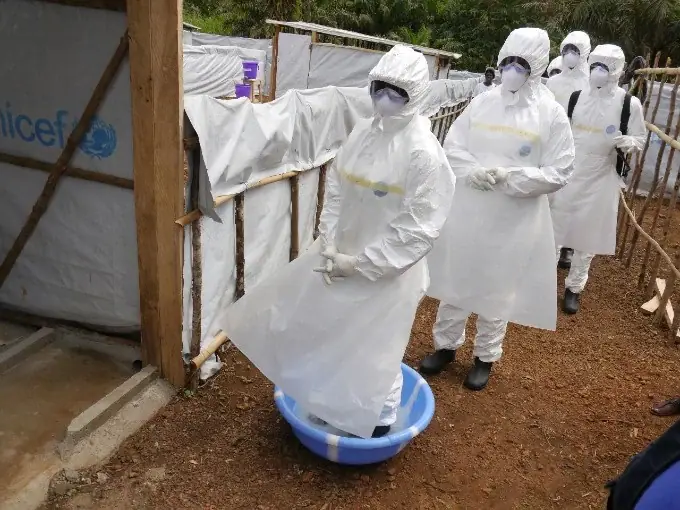
The simulation exercise evaluated key areas of South Sudan's Ebola preparedness efforts, including case management, infection prevention and control, laboratory capacity, contact tracing, and coordination. Although the exercise showed that the system can quickly detect simulated cases, significant gaps remain in several areas. These areas include alert management, rapid response team management, health worker remuneration, ambulance services, laboratory facilities, personal protective equipment supplies, contact tracing, and screening arrangements at points of entry.
To address these challenges, the Humanitarian Coordinator has launched a three-month prioritized plan to mobilize financial resources. The plan aims to address the operational and capacity gaps identified during the simulation exercise. The plan requests USD$7 million to strengthen preparedness and response capacities. Balakrishnan called on donors and partners to support the plan, emphasizing the importance of closing preparedness gaps to protect the lives and well-being of South Sudan's people.
According to Balakrishnan, while there are no reported cases of Ebola in South Sudan, it is critical that the country is better prepared to detect, contain, and respond to a potential outbreak. He stressed that national government leadership is crucial in strengthening EVD preparedness. This includes the payment of health worker salaries by government authorities and facilitating access for Ebola-related movements for both health actors and UNMISS.
The Humanitarian Coordinator also highlighted the importance of ensuring the safety and security of humanitarian workers. This is a critical aspect of responding to a potential Ebola outbreak. The government and partners must work together to address the identified gaps and ensure that the country is prepared to respond to a potential outbreak.
The simulation exercise was a collaborative effort between the Ministry of Health, the National Public Health Institute, the World Health Organization, and other partners. This exercise demonstrated the importance of partnerships in strengthening Ebola preparedness and response capacities. The government and partners must continue to work together to address the identified gaps and ensure that the country is prepared to respond to a potential outbreak.
The launch of the prioritized plan is a critical step towards strengthening Ebola preparedness and response capacities in South Sudan. The plan will help to address the identified gaps and ensure that the country is better prepared to respond to a potential outbreak. The government and partners must continue to work together to implement the plan and ensure the safety and well-being of South Sudan's people.
Key points
- The Humanitarian Coordinator has launched a three-month prioritized plan to mobilize financial resources to address operational and capacity gaps.