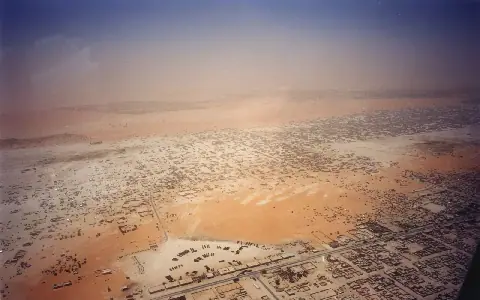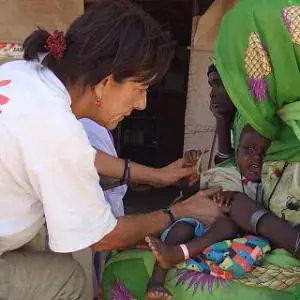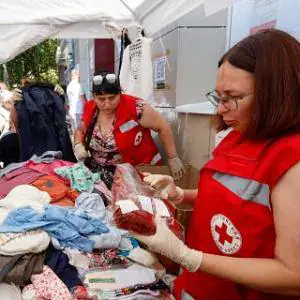
The ongoing surge in global conflicts and climate-related disasters has significantly increased the demand for humanitarian aid. Civilian populations are bearing the brunt of these crises, with their needs often overshadowing those of combatants. This growing necessity for aid has brought attention to several key regions, including Gaza, Ukraine, and the Darien region of Panama. Experts from various humanitarian organizations are analyzing the situation and the response efforts.
In Gaza, Paz Fernández from the United Nations Relief and Works Agency for Palestine Refugees (UNRWA) is providing insights into the situation on the ground. Meanwhile, in Ukraine, Sofía Cánovas, an advisor to the UN representative in Kiev, is offering her expertise. Additionally, Cristina García, who oversees Latin American programs for the HIAS foundation, is focusing on the Darien region. These areas have seen a substantial rise in humanitarian needs due to ongoing conflicts and environmental challenges.
The humanitarian landscape is further complicated by the involvement of various organizations and governments. Lucia Prieto, the new director of Humanitarian Action at the Spanish Agency for International Development Cooperation (AECID), is detailing the role of Spanish cooperation in addressing these crises. The Spanish Agency plays a crucial part in coordinating and providing humanitarian aid through different channels and partnerships.
The radio program "Somos Cooperación," presented and directed by journalist María Dolores Albiac, is dedicated to exploring themes related to Spanish cooperation. Each week, the program focuses on a specific topic, linking current events with long-term issues in international cooperation and humanitarian action. This initiative aims to raise awareness and promote dialogue on critical global issues.
"Somos Cooperación" is part of the efforts by Radio Nacional de España to engage with global challenges through in-depth analysis and discussions. The program features experts and stakeholders who provide valuable insights into various humanitarian crises and the responses to them. By doing so, it seeks to inform and involve the public in understanding and addressing these pressing issues.
The upcoming maintenance of the AECID website on November 24 and 25 may cause some inconvenience, but it reflects the ongoing efforts to improve and update the platforms used for humanitarian coordination and information dissemination. Such initiatives are essential for ensuring that aid reaches those who need it most effectively and efficiently.
As global crises continue to evolve, the importance of cooperation and coordination among governments, NGOs, and international organizations cannot be overstated. The increasing demand for humanitarian aid underscores the need for sustained support and innovative solutions to address the complex challenges facing affected populations worldwide.
Key points
- The surge in global conflicts and climate-related disasters has significantly increased the demand for humanitarian aid.
- Experts from various regions, including Gaza, Ukraine, and the Darien region of Panama, are providing insights into the humanitarian needs and response efforts.
- Spanish cooperation, through the Spanish Agency for International Development Cooperation (AECID), plays a crucial role in addressing these crises.