A coalition of European human rights groups, including the Hungarian Helsinki Committee and 11.11.11, has recorded at least 80,865 pushbacks at Europe's borders in 2025. This averages to approximately 221 pushbacks per day. Poland alone recorded 14,754 pushbacks, while Bulgaria recorded 13,568. These pushbacks often involve violent treatment of migrants, including beatings, dog attacks, and forced undressing.
The European Court of Human Rights has recognised a "systematic" pattern of pushbacks by Greece in a landmark ruling in January 2025. However, not a single pushback case has been tried before a Greek court, and no Bulgarian border officer has been sanctioned. Meanwhile, non-governmental organisations (NGOs) that document these violations are facing challenges, including defunding, defamation, and legal threats. This has raised concerns about the ability to hold authorities accountable for their actions.
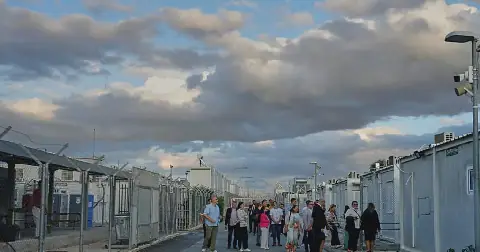
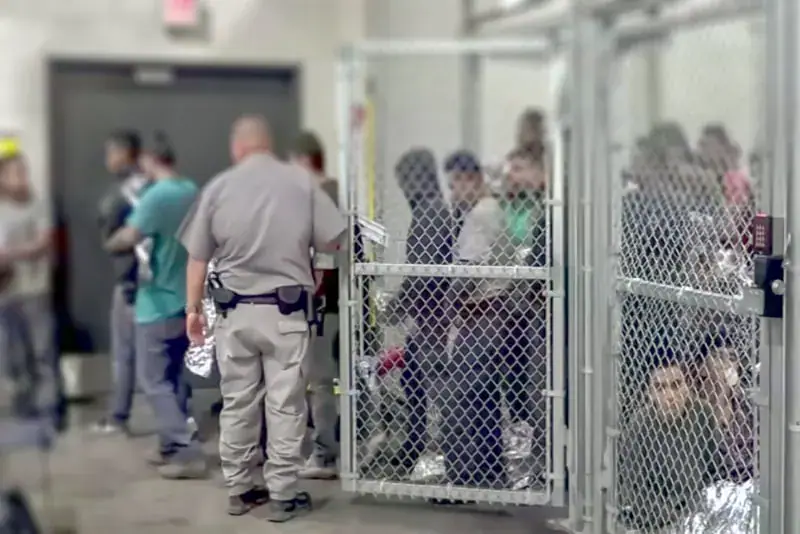
The EU Migration and Asylum Pact took full effect on 12 June 2026, which human rights groups warn will lead to increased detention of asylum seekers. The pact allows for a border procedure that can involve detention of up to twelve weeks during examination, plus twelve weeks more pending deportation. Additionally, the European Parliament adopted a Return Regulation on 17 June, which allows for "return hubs" outside EU territory and longer pre-removal detention.
Arrivals to Europe by sea have fallen by 39 percent in 2026, according to the International Organization for Migration (IOM). However, deaths at sea have risen, with at least 2,292 people dying or going missing by mid-September, compared to 1,999 in the same period of 2025. The IOM has also reported that 17,067 people were intercepted at sea and returned to Libya, a country that is not considered a safe place for migrants.
Human rights groups have also raised concerns about the situation in Ghana, where at least 60 people have been deported from the United States since September 2025. A coalition of human rights lawyers has sued Ghana at the ECOWAS Community Court of Justice on behalf of 27 deportees, alleging that Ghana facilitated removals to unsafe countries. The Ghanaian government claims that its decision was based on humanitarian principle and pan-African solidarity.
The situation in Ghana highlights the need for countries to ensure that they are not sending people back to persecution or torture. The Refugee Convention and the African Union's own refugee convention, to which Ghana is a party, forbid sending a person back to persecution or torture. Human rights groups are calling for an immediate end to pushbacks and collective expulsions, as well as the release of individuals detained without a judge's review.
Human rights defenders are demanding that governments take concrete steps to protect the rights of migrants. This includes allowing individuals to apply for protection and receive an individual assessment, regardless of how they cross the border. Additionally, monitors need unannounced access to border areas, police stations, and detention sites, and the freedom to publish their findings. States must also stop criminalising and defunding groups that document violations.
Key points
- European human rights groups record 80,865 pushbacks at Europe's borders in 2025.
- Ghana faces criticism for its handling of deportees from the United States.
- Human rights groups call for an end to pushbacks and collective expulsions, as well as the release of individuals detained without a judge's review.