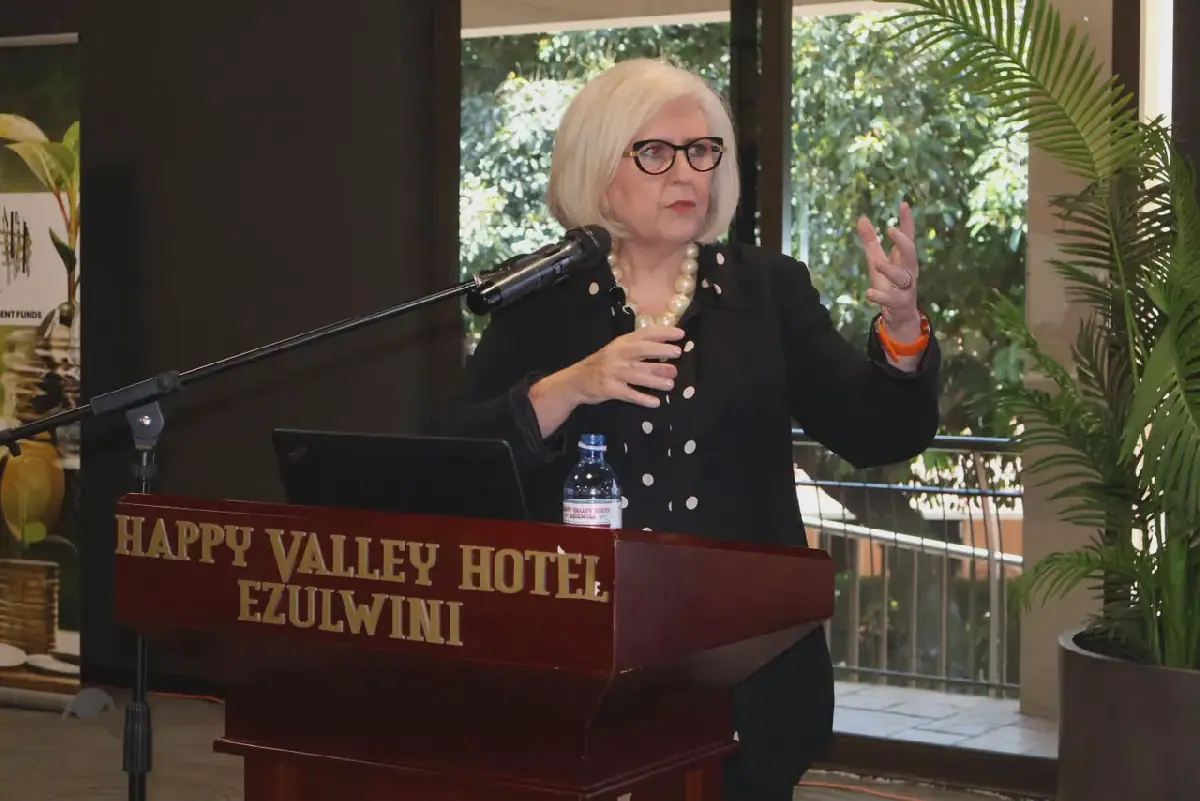
Human Resource practitioners in Eswatini have been encouraged to adopt artificial intelligence (AI) in the workplace while ensuring that the technological advancement does not compromise employees' well-being and human contribution. This call was made during the Institute of People Management (IPM) annual conference, where performance improvement expert Belia Nel and IPM President Sharon Maziya highlighted the changing demands on HR departments and the need to prepare workplaces for the future.
According to Belia Nel, organisations should not adopt AI simply because it is fashionable, but rather its introduction should be guided by business objectives and specific performance challenges. She explained that AI can improve efficiency through speed, data analysis, automation, pattern recognition, and predictions. However, she stressed that human intelligence remains essential in areas such as leadership, judgement, ethics, experience, and systems thinking.
Nel emphasised that AI should complement human capabilities rather than replace employees. She noted that automation can free employees from repetitive tasks, allowing them to concentrate on more complex and valuable responsibilities. AI can also strengthen decision-making by providing insights and helping organisations manage complex operations. However, she warned that introducing the technology without preparing employees can undermine its intended benefits.
Nel advised organisations to assess their workforce's readiness for AI adoption and invest in training to ensure employees understand how to work with the technology. She encouraged HR practitioners to take an active role in the process, saying they have an important voice in decisions about how technology will affect people and workplace performance. Employee involvement, transparent communication, and committed leadership are also crucial in managing the transition.
Sharon Maziya, IPM President, challenged HR practitioners to give greater attention to employees' mental and emotional well-being. She highlighted the importance of therapy in the workplace, urging HR practitioners to consider making professional support accessible through workplace wellness programmes. Maziya expressed concern about the reluctance among male employees to make use of therapeutic services, raising the need to address barriers that discourage them from seeking assistance.
The call for prioritising employee well-being comes amid continuing challenges in accessing mental health services in Eswatini. According to the World Health Organisation's (WHO) Mental Health Atlas 2024, Eswatini has 0.1 psychiatrists and 0.7 psychologists per 100,000 people. The country also reported having no work-related mental health promotion programme. Across Africa, the WHO has reported that nearly 150 million people are living with mental health conditions.
The contributions of Nel and Maziya placed people at the centre of discussions about the future of work, highlighting the responsibility of HR departments to respond to both technological changes and employees' needs. As organisations consider adopting AI, Nel's message was that technology should improve performance while keeping human judgement and involvement central. Maziya's contribution highlighted the need for workplaces to recognise and support employees' mental health as part of their overall well-being.
Key points
- Eswatini HR practitioners urged to adopt AI while prioritizing employee well-being
- Organisations should assess workforce readiness for AI adoption and invest in training
- HR practitioners should prioritise employee mental and emotional well-being